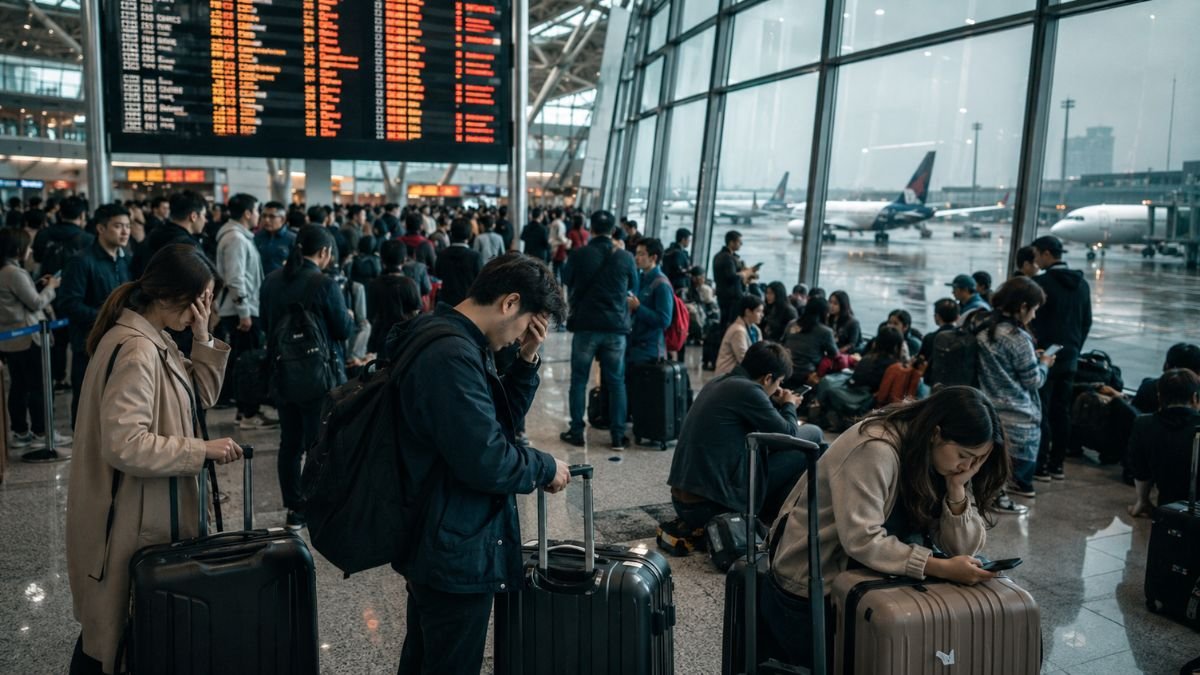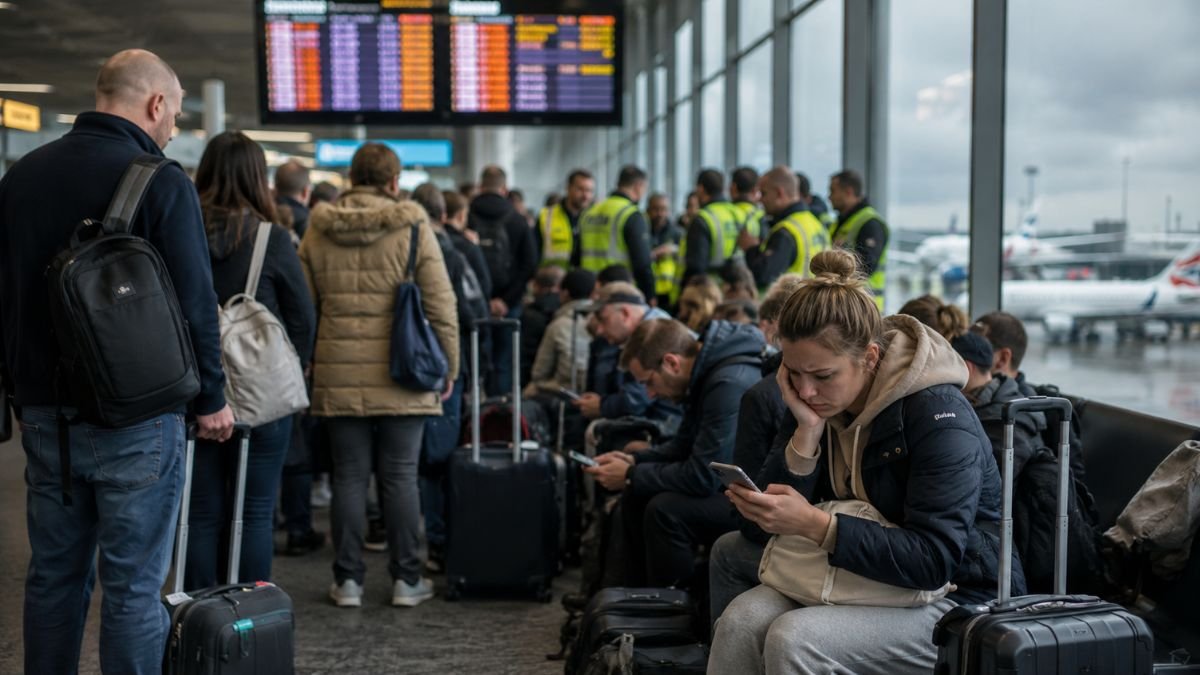
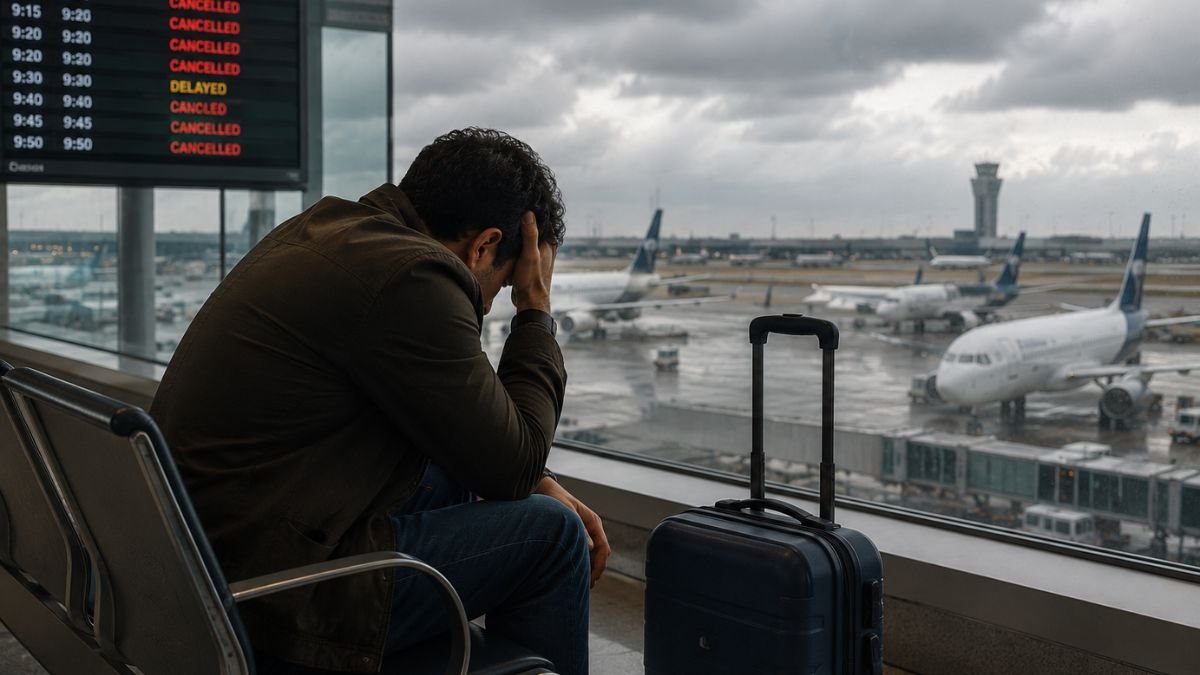
Air travel across the Middle East faced major disruption on May 5, 2026, as 415 flight delays and 59 cancellations affected key airports in Egypt, Kuwait, Lebanon, Saudi Arabia and the UAE. The interruptions impacted thousands of passengers and several major airlines, including Egypt Air, Kuwait Airways, Gulf Air, FlyDubai, Emirates, Saudia and others.
The disruption was reported across major regional hubs such as Dubai International Airport, Cairo International Airport, Kuwait International Airport, Beirut Rafic Hariri International Airport and King Abdulaziz International Airport in Jeddah.

These airports are important gateways for international, regional and connecting passengers, making the impact wider than a normal daily delay pattern.
Dubai Records The Highest Number Of Delays
Dubai International Airport saw the largest volume of disruption, with 30 cancellations and 243 delays. FlyDubai was among the most affected carriers, recording 24 cancellations and 64 delayed flights. Emirates also faced 134 delays, although only three cancellations were reported.
Because Dubai is one of the world’s busiest international transit hubs, delays there created problems for passengers connecting to Europe, Asia, Africa and other Gulf destinations.
Cairo, Kuwait, Jeddah And Beirut Also Affected

Cairo International Airport reported 10 cancellations and 100 delays. Egypt Air was the most affected airline at the airport, with 10 cancellations and 49 delayed flights. Other carriers such as Etihad Airways, Emirates, Saudia, Air Cairo and Jazeera Airways also faced delays.
At King Abdulaziz International Airport in Jeddah, 42 delays and two cancellations were recorded. Saudia reported the highest number of delayed services at this airport, followed by FlyDubai, IndiGo and other regional operators.
Kuwait International Airport experienced 12 cancellations and 20 delays. Egypt Air recorded six cancellations, while Kuwait Airways reported five cancellations and four delayed flights. Jazeera Airways also faced 16 delays.
Beirut Rafic Hariri International Airport saw a smaller but still concerning impact, with five cancellations and 10 delays. FlyDubai, Egypt Air and Emirates were among the airlines affected by cancellations.
Impact On Passengers And Tourism
The disruption may affect traveller confidence across the region, especially for passengers planning business trips, holidays or onward connections. Countries such as the UAE and Egypt depend heavily on smooth air connectivity to support tourism, trade and international travel.
Travel agencies and tourism boards may closely monitor the situation, especially if delays continue. Passengers may also consider longer layovers, flexible tickets and travel insurance while booking flights through affected airports.
What Passengers Should Do
Passengers travelling through Dubai, Cairo, Kuwait City, Beirut or Jeddah should check their flight status before leaving for the airport. Airlines may change schedules quickly due to safety, operational pressure or aircraft availability.
Travellers should stay in contact with their airline, keep all boarding passes and receipts, and ask about rebooking options. In cases of long delays or overnight disruptions, passengers may be eligible for meals, communication support or hotel accommodation depending on airline rules and local aviation policies.
Conclusion
The latest Middle East flight disruption has caused serious problems across five major countries, with 415 delays and 59 cancellations affecting several leading airlines.
While Dubai recorded the highest number of delays, Cairo, Kuwait, Jeddah and Beirut also faced notable disruption. Passengers are advised to remain alert, check official updates and keep travel plans flexible until schedules return to normal.