
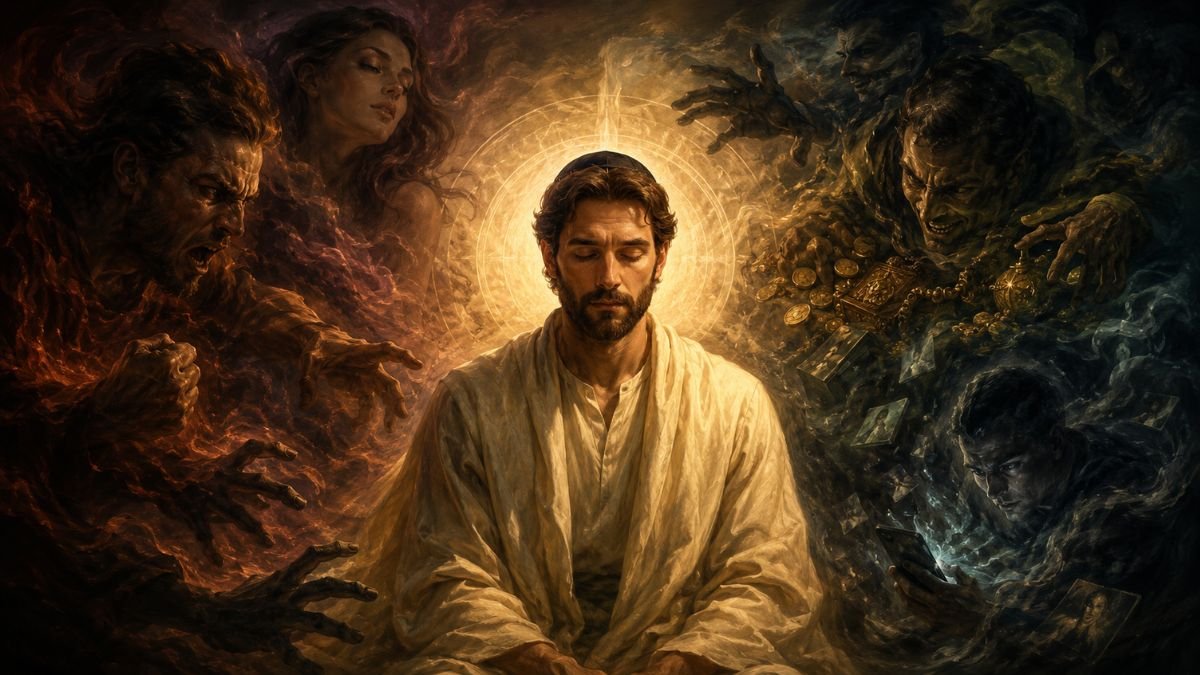
Jewish wisdom has always placed great value on discipline, moral strength, and inner growth. Instead of measuring greatness only through power, fame, or public victory, many Jewish teachings look inward.
They ask a deeper question: can a person control themselves when anger, pride, temptation, or desire tries to take over?

One powerful Jewish proverb captures this idea clearly:
“Who is the hero? He who conquers his urges.”
At first, this may seem different from the usual idea of a hero. Many people imagine heroes as brave warriors, powerful leaders, or people who defeat enemies. But this proverb suggests that the greatest battle is not outside us. It is within us.
The Meaning Behind the Proverb

The proverb teaches that real heroism is self-control. To “conquer urges” means to manage impulses instead of being ruled by them. These urges may include anger, greed, jealousy, pride, laziness, harmful habits, or the desire to react without thinking.
The message is not that emotions are bad. Human beings naturally feel frustration, desire, fear, and temptation.
The problem begins when those feelings control our choices. A wise person does not deny emotions, but learns how to pause, reflect, and act with intention.

In this way, the proverb shifts heroism from public achievement to private discipline. A person who can control their anger, resist temptation, and choose wisdom over impulse shows a deeper kind of strength.
How This Wisdom Applies to Everyday Life
This proverb is highly relevant in daily life. In relationships, conquering urges may mean staying calm during an argument, refusing to say something cruel, or choosing patience when emotions are high. These small acts of restraint often protect trust and respect.
In professional life, self-control is just as important. A person who remains calm under pressure, listens before responding, and avoids ego-driven decisions is often more successful in the long run. Emotional balance can be more powerful than raw talent.
The proverb also applies to money and lifestyle choices. Impulsive spending, greed, or constantly chasing pleasure can create stress. Discipline helps people make wiser decisions that support long-term peace rather than short-term satisfaction.
Even in the digital age, this teaching feels modern. Social media, notifications, and online arguments constantly test people’s patience and attention. Choosing not to react immediately can be a quiet form of strength.
The Deeper Lesson of Self-Mastery
At its heart, this Jewish proverb is about freedom. Many people think freedom means doing whatever they want. But the proverb suggests something deeper: a person controlled by impulses is not truly free.
Real freedom comes when a person can choose wisely. When someone can pause before reacting, resist destructive habits, and act according to values instead of temporary urges, they become stronger and more peaceful.
The proverb also teaches humility. Everyone has inner struggles, even if they are invisible. The strongest people are often not those who appear perfect, but those who keep working on themselves.
Why This Proverb Still Matters Today
Modern life often encourages instant gratification. People are pushed to react quickly, consume more, speak without thinking, and chase constant pleasure. Against this background, the proverb offers a powerful reminder: restraint is not weakness. It is strength.
It also connects closely with modern ideas of mindfulness, emotional regulation, and personal growth. Today, psychologists often speak about the importance of managing emotions and making thoughtful decisions. This ancient teaching carries the same message in simple words.
“Who is the hero? He who conquers his urges” is more than a proverb. It is a timeless definition of true strength.
It reminds us that the greatest victories are not always seen by others. Sometimes, heroism means staying silent instead of reacting in anger, choosing discipline over temptation, or following wisdom when impulse demands control.
True greatness begins when a person learns to govern themselves. The strongest person is not always the one who defeats others, but the one who masters the storms within.