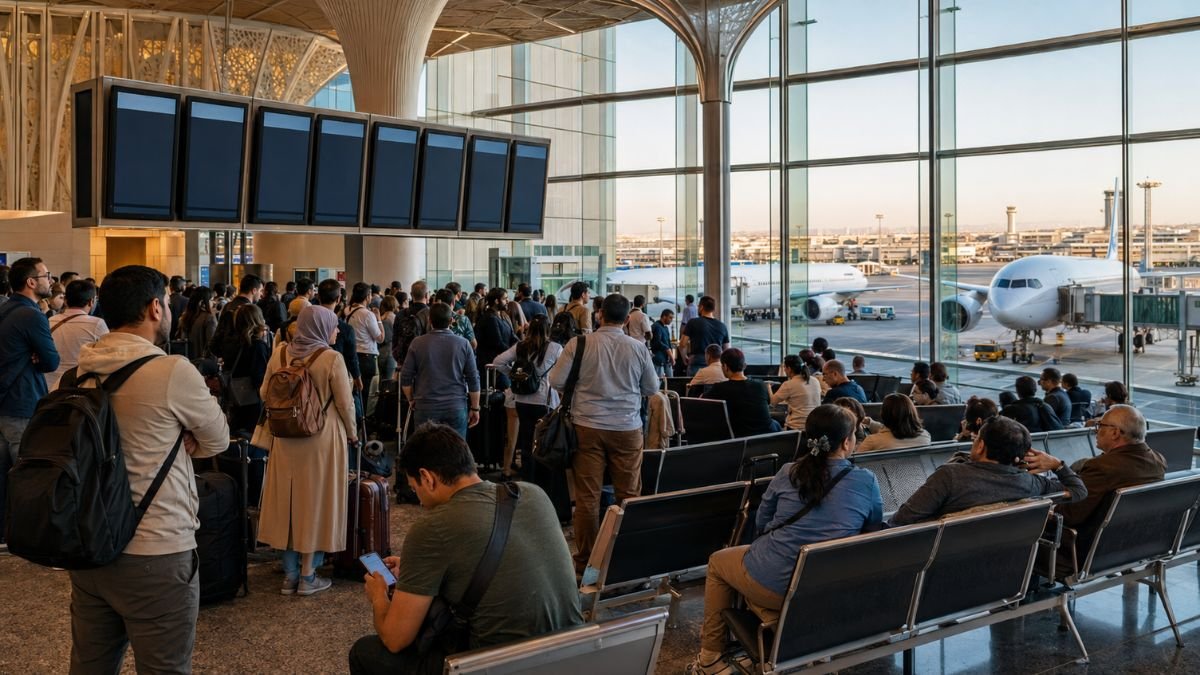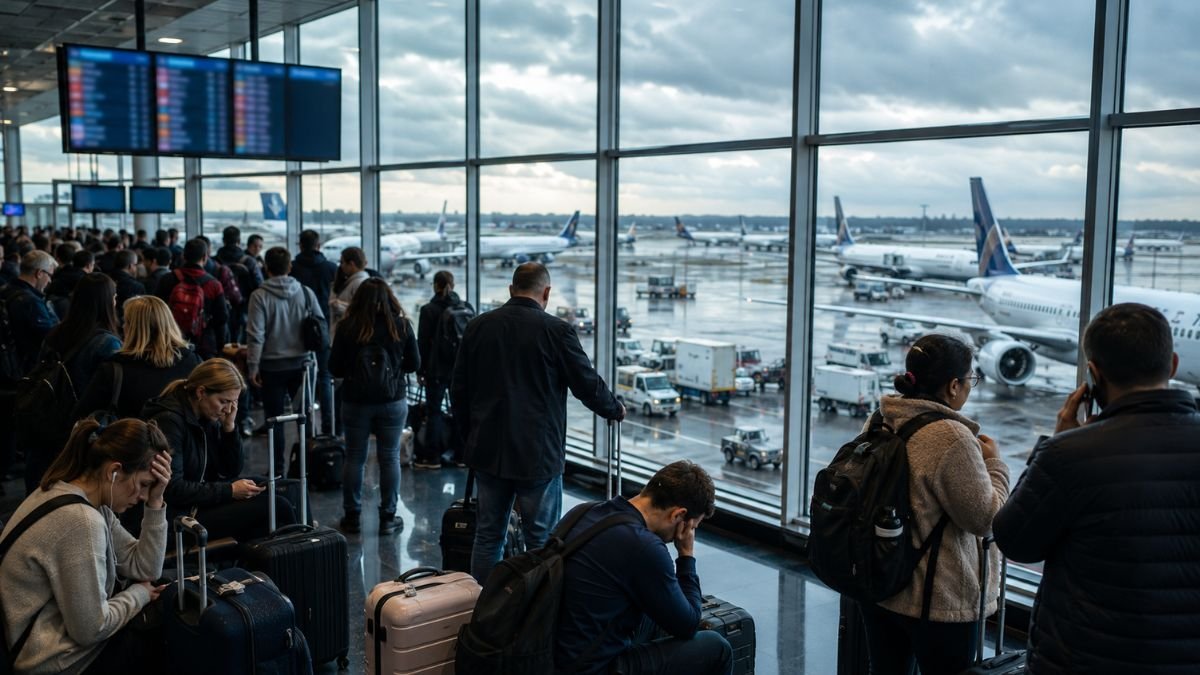
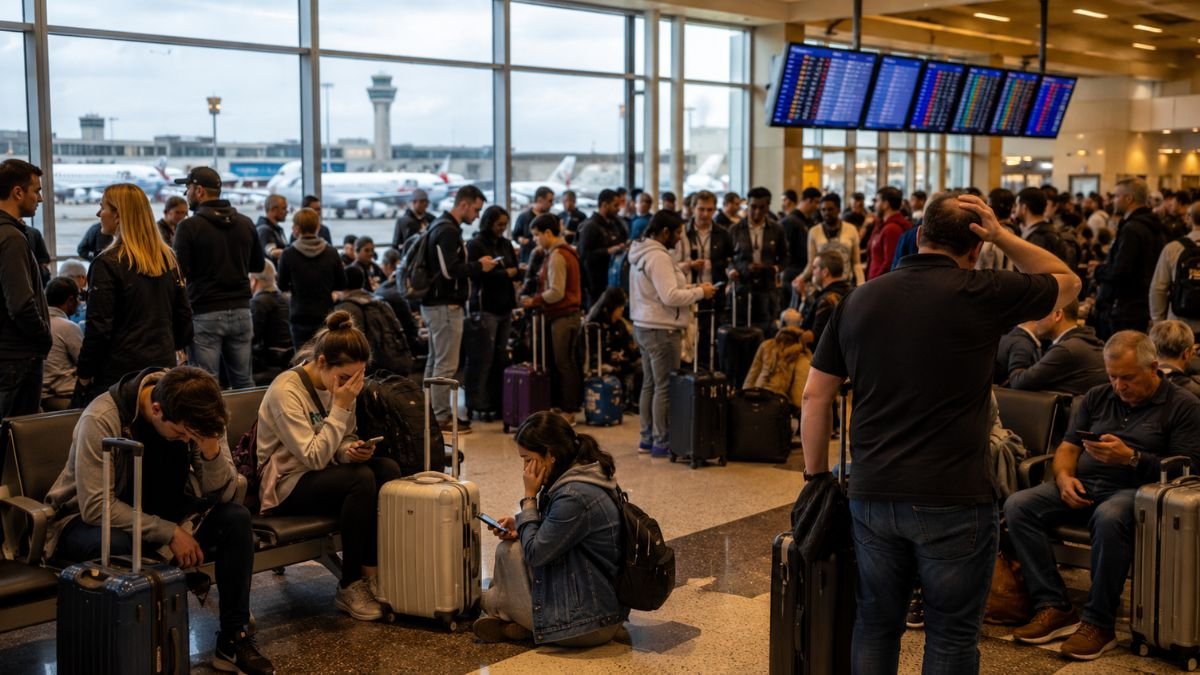
Flight disruption spread across several major Asian travel hubs on May 19 as airports in Singapore, Japan, Malaysia, Saudi Arabia, China, India, and Indonesia reported a combined 3,483 delays and 329 cancellations.
The disruption affected thousands of passengers on both domestic and international routes, with major airlines including AirAsia, Japan Airlines, IndiGo, Saudia, Air India, China Eastern, Hainan Airlines, and Singapore Airlines facing operational challenges.

The impact was felt across some of Asia’s busiest airports, including Tokyo Haneda, Singapore Changi, Mumbai, Delhi, Kuala Lumpur, Guangzhou, Shenzhen, Shanghai, Jakarta, and Beijing.
Passengers were advised to check airline apps, airport websites, and live flight tracking platforms before leaving for the airport.
Mumbai, Delhi, Tokyo and Singapore Among Worst-Hit Hubs
India saw heavy disruption, especially at Mumbai’s Chhatrapati Shivaji Maharaj International Airport, which recorded 307 delays and 3 cancellations, making it one of the most delayed airports in the region.

Delhi’s Indira Gandhi International Airport also faced major disruption with 273 delays and 4 cancellations, affecting Air India, IndiGo, Air India Express, SpiceJet, and Akasa Air passengers.
In Japan, Tokyo Haneda Airport reported 240 delays and 4 cancellations, with Japan Airlines, All Nippon Airways, Air Do, ANA Wings, and Skymark among the carriers impacted.
Singapore’s Changi Airport, one of the world’s busiest international hubs, recorded 180 delays and 1 cancellation, affecting flights operated by Singapore Airlines, Scoot, AirAsia, and Garuda Indonesia.
China Records Heavy Airport and Airline Disruption
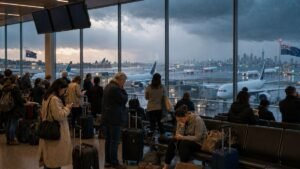
China was among the hardest-hit regions, with several major airports reporting high delay and cancellation numbers.
Shenzhen Bao’an International Airport recorded 255 delays and 20 cancellations, while Guangzhou Baiyun International Airport saw 242 delays and 29 cancellations, the highest airport cancellation count in the reported data.
Shanghai also faced widespread disruption. Shanghai Pudong International Airport recorded 209 delays and 17 cancellations, while Shanghai Hongqiao International Airport reported 142 delays and 15 cancellations.
Other affected Chinese airports included Beijing Capital, Beijing Daxing, Chongqing, Wuhan, Xi’an, Changsha, Zhengzhou, Dalian, Taiyuan, Guiyang, Nanchang, Jinan, and Ningbo.
AirAsia, China Eastern, Air India and IndiGo Face Delays
Among airlines, China Eastern reported the highest delay total with 341 delayed flights and 57 cancellations, making it one of the most disrupted carriers of the day. Hainan Airlines also faced severe disruption, recording 85 delays and 50 cancellations.
In India, Air India recorded 220 delays and 5 cancellations, while IndiGo reported 184 delays and 2 cancellations. Together, both airlines accounted for more than 400 delays across major Indian airports, particularly Mumbai and Delhi.
Malaysia-based AirAsia reported 77 delays and 39 cancellations, with disruption affecting Kuala Lumpur, Penang, Langkawi, Kota Kinabalu, and Senai.
Singapore Airlines recorded 58 delays, while Japan Airlines and All Nippon Airways together accounted for nearly 200 delays across Japanese airports.
Indonesia, Malaysia and Saudi Arabia Also Affected
Indonesia also saw significant disruption, especially at Jakarta Soekarno-Hatta International Airport, which recorded 152 delays and 13 cancellations.
Airlines including Batik Air, Garuda Indonesia, Lion Air, Super Air Jet, Wings Abadi, and Sriwijaya Air were among those impacted. Sultan Hasanuddin International Airport in Makassar also reported 88 delays and 6 cancellations.
In Malaysia, Kuala Lumpur International Airport recorded 140 delays and 22 cancellations, while Penang, Langkawi, Kota Kinabalu, and Senai also experienced flight issues. Saudi airports including Jeddah and Dammam were also listed among affected locations, with carriers such as Saudia and Flynas impacted.
What Passengers Should Do Now
Travelers affected by the disruption should check their flight status directly with airlines before heading to the airport.
Passengers should also monitor rebooking options, refund policies, baggage updates, and airport advisories. Airline mobile apps can provide faster alerts for gate changes, delays, cancellations, and boarding updates.
For international travelers, arriving early and keeping both digital and printed documents ready can help reduce stress during disruption.
Passengers should also review airline compensation and accommodation policies, especially when cancellations or long delays affect connecting flights.
Conclusion
Asia’s flight network faced major disruption on May 19, with 3,483 delays and 329 cancellations affecting key airports in India, China, Japan, Singapore, Malaysia, Indonesia, and Saudi Arabia.
Mumbai, Delhi, Guangzhou, Shenzhen, Tokyo, Singapore, Kuala Lumpur, Jakarta, and Shanghai were among the worst-hit hubs.
With airline schedules continuing to change, passengers should stay updated through official airline and airport channels before traveling.