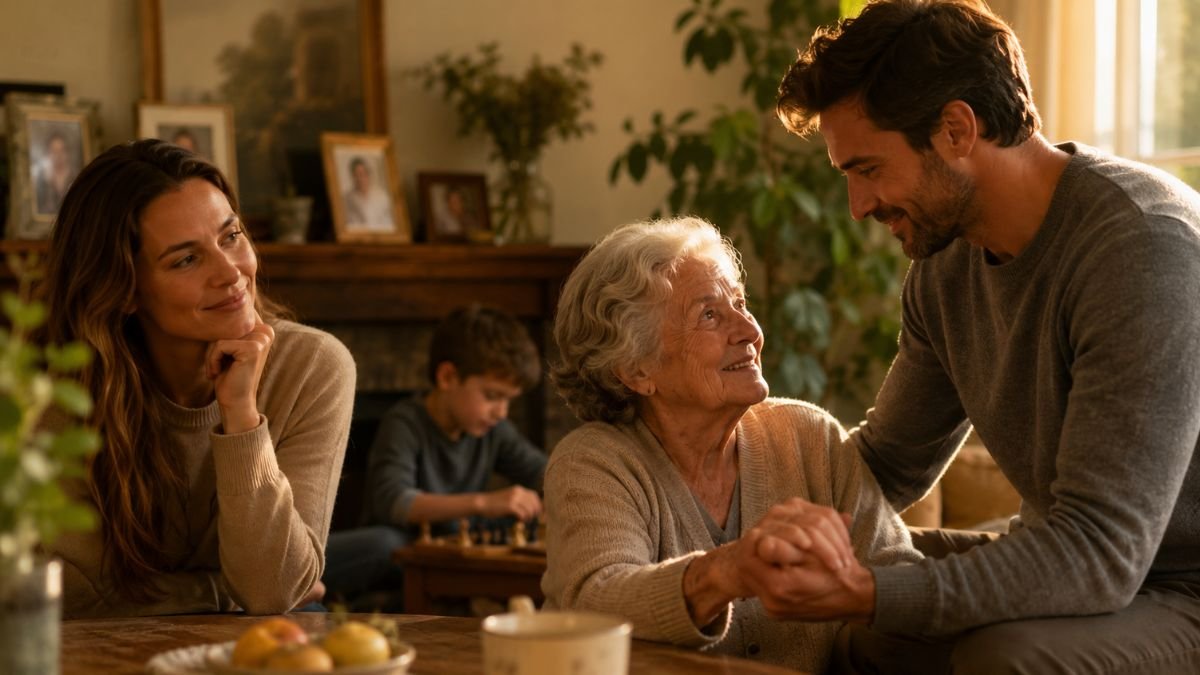
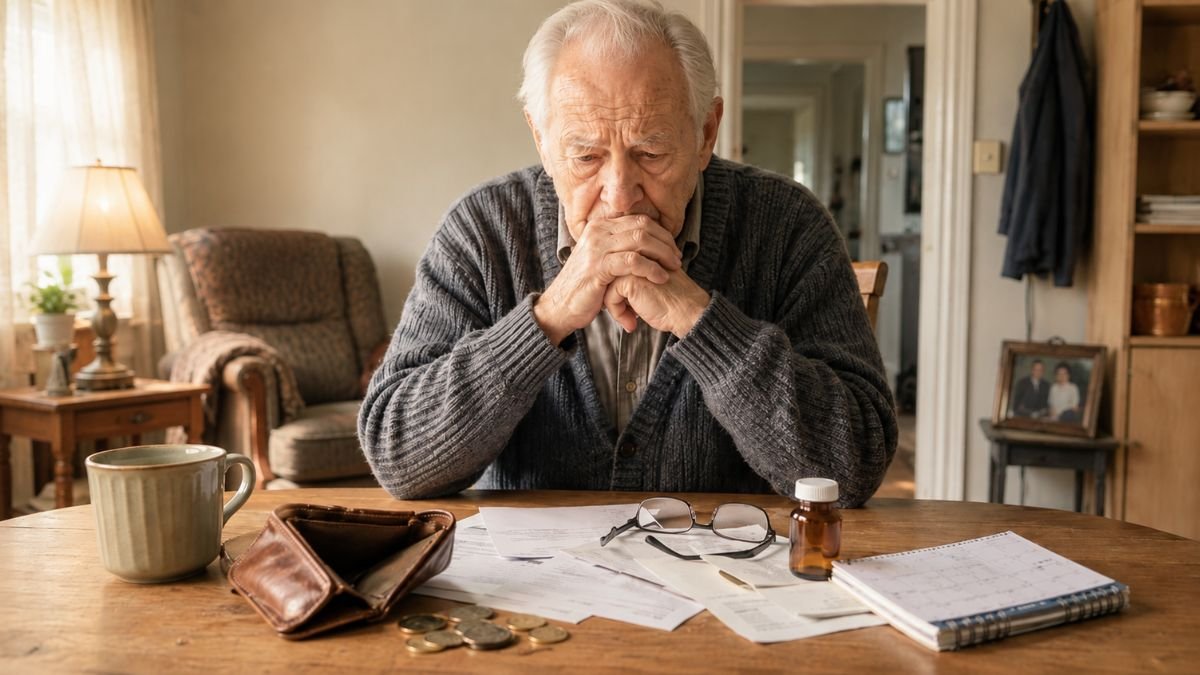
The Greek proverb of the day, “Old age and poverty are wounds that can’t be healed,” offers a serious reminder about life’s harsh realities.
It speaks about two difficult conditions that can deeply affect human dignity, comfort, and independence: growing old and living without financial security.

This proverb is not meant to create fear. Instead, it encourages wisdom. It reminds people that while aging is natural, facing old age without preparation can make life much harder.
It also highlights why planning ahead, saving money, caring for health, and building strong support systems are important long before old age arrives.
Meaning of the Greek Proverb
The saying compares old age and poverty to wounds that cannot be healed. In simple words, it means that some struggles are not easy to fix once they become a reality.

Old age cannot be reversed. Poverty, especially in later life, can be extremely difficult to escape. When both come together, they can create a painful situation where a person may feel helpless, dependent, or forgotten.
The proverb teaches that life should not be lived only for the present. A wise person also thinks about the future.
Why Old Age Can Become a Difficult Stage of Life
Old age often brings changes that affect the body, mind, and emotions. Tasks that once felt simple may become difficult. Walking long distances, managing household work, remembering details, or visiting doctors regularly may become part of daily life.
Many elderly people also experience a loss of independence. This can affect their confidence and emotional well-being. When someone who once lived freely begins to depend on others, it can create sadness, frustration, or loneliness.
The Greek proverb reminds us that aging is not just about years passing. It is about how prepared a person is to face those years with dignity.
How Poverty Makes Old Age More Painful
Poverty is difficult at any stage of life, but in old age, it can become even more painful. A younger person may still have the strength, time, and opportunity to work, learn new skills, or recover financially. But an elderly person may not have the same options.
Poverty in later life can affect healthcare, housing, food, medicine, transportation, and emotional security. Without enough money, even basic needs can become stressful.
This is why the proverb calls poverty a wound. It does not only hurt financially; it affects peace of mind, health, choices, and dignity.
The Combined Burden of Aging and Financial Insecurity
Old age and poverty together can create a heavy burden. Aging may reduce physical strength, while poverty limits access to support. This combination can make life feel uncertain and emotionally exhausting.
An elderly person without savings or family support may struggle to afford medical care, safe housing, or daily needs. This can lead to stress, isolation, and a feeling of being left behind by society.
The proverb encourages people to look at this reality with compassion. It also reminds society to care for elderly people, especially those who are financially vulnerable.
Life Lesson: Plan Before the Future Arrives
The biggest lesson from this Greek proverb is the importance of preparation. Planning ahead does not mean living in fear. It means making thoughtful choices today so life can be more secure tomorrow.
Saving money, avoiding unnecessary debt, investing wisely, maintaining good health, building relationships, and learning useful skills can all help protect the future.
Financial planning is not only for wealthy people. Even small, consistent steps can make a difference over time. Preparing early can reduce the risk of facing old age with fear and insecurity.
Why This Proverb Still Matters Today
In today’s world, many people focus on short-term comfort. But this proverb reminds us that life moves quickly. Youth, energy, and earning power do not last forever.
The message is simple but powerful: respect the future before it becomes the present. A person who prepares early is more likely to face old age with confidence, dignity, and peace.
The Greek proverb of the day, “Old age and poverty are wounds that can’t be healed,” teaches a powerful lesson about aging, money, and responsibility. Old age is natural, but poverty in old age can make life deeply difficult.
This proverb encourages people to plan ahead, protect their health, build financial stability, and value supportive relationships.
Life may be uncertain, but preparation can soften its hardest realities. The future becomes less frightening when we respect it today.