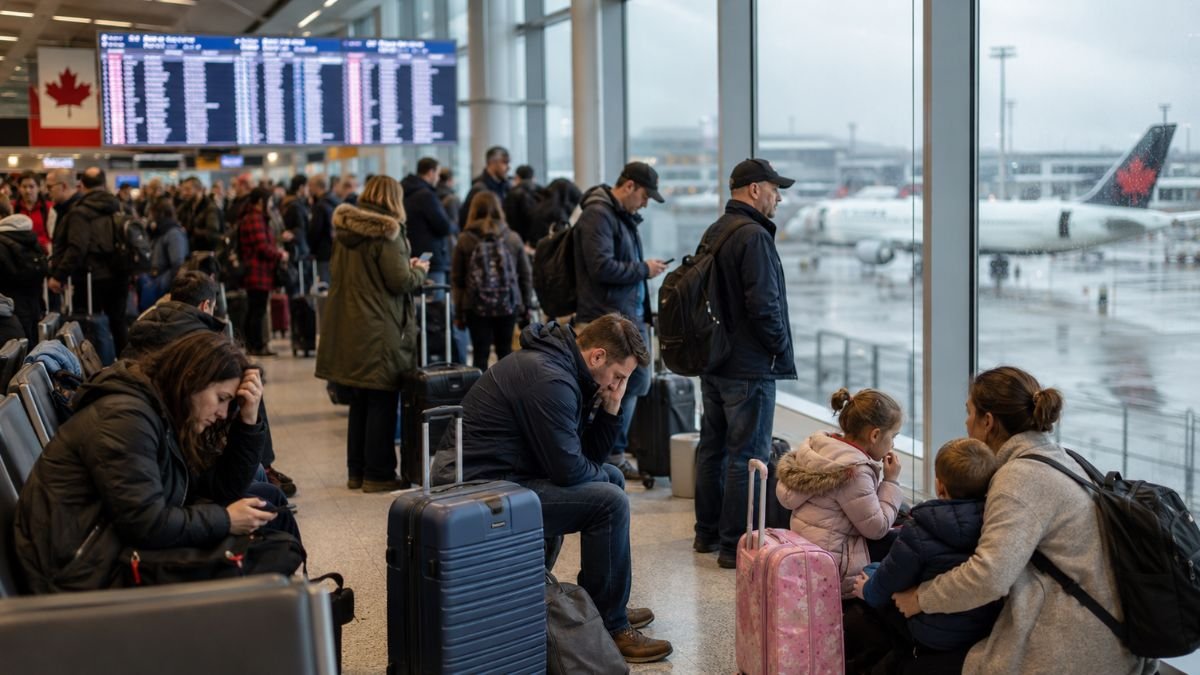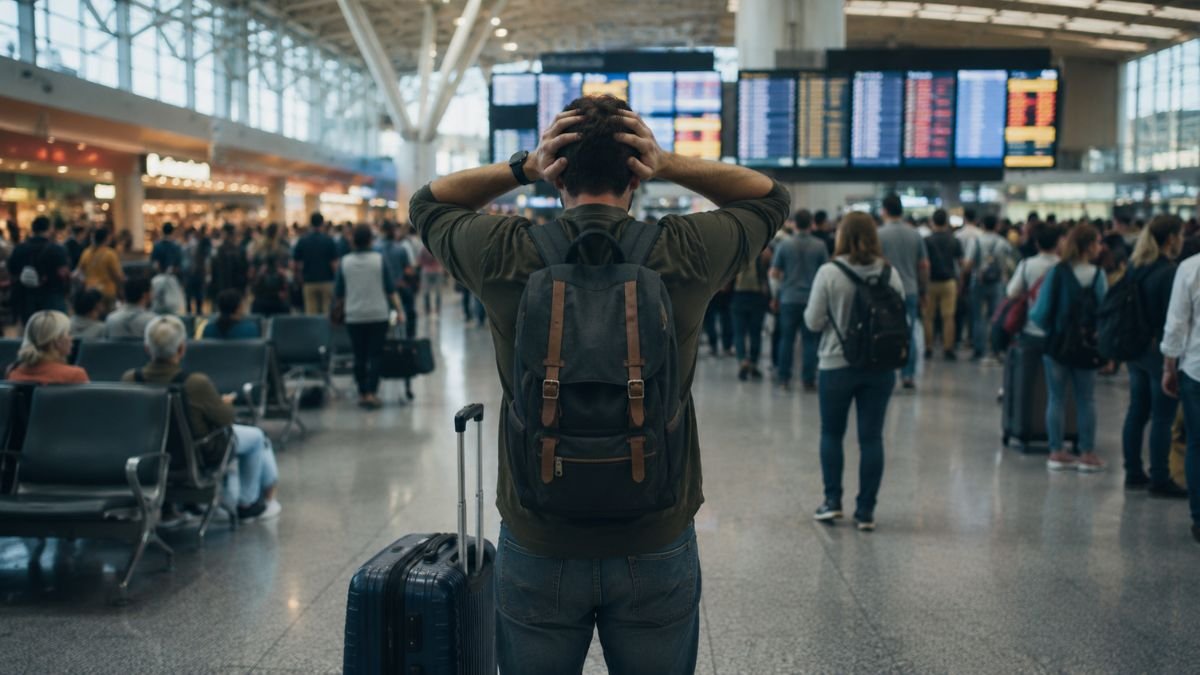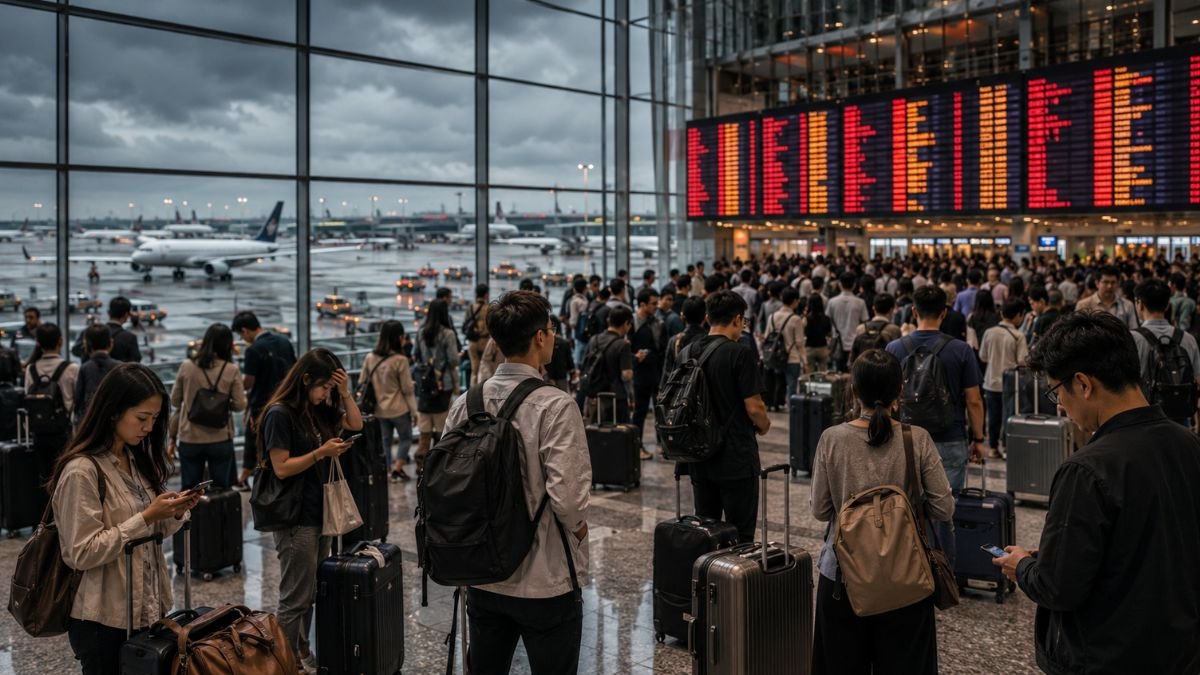
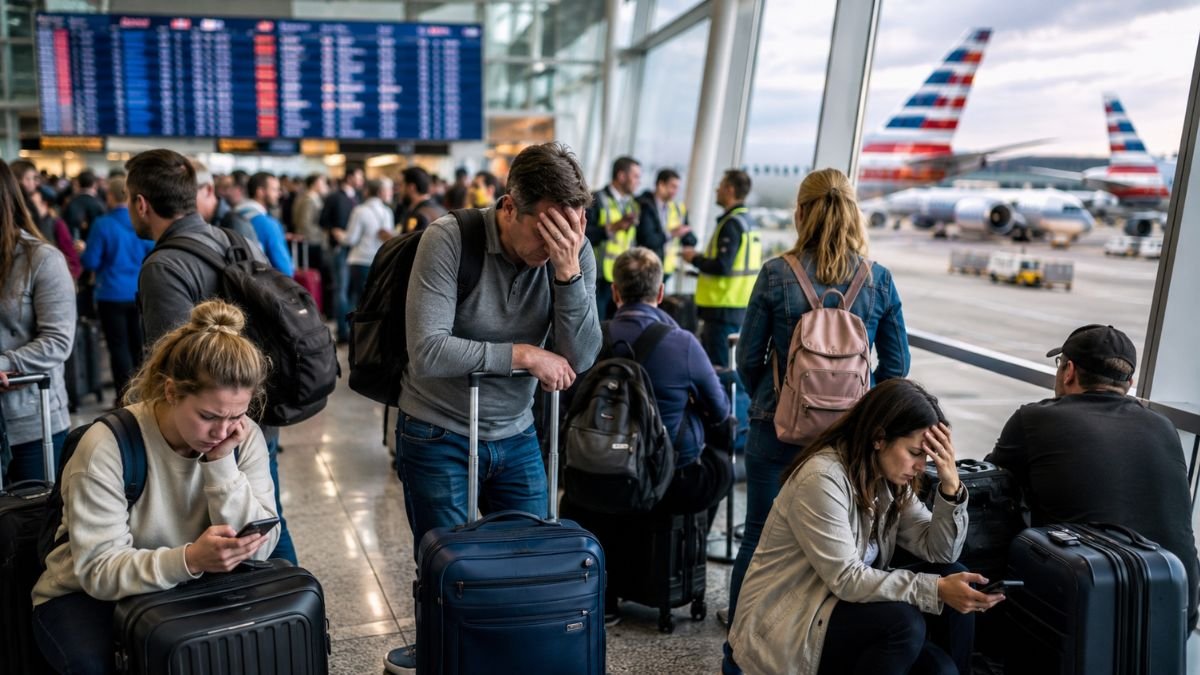
Hundreds of passengers faced a difficult travel day at San Francisco International Airport as delays and cancellations disrupted domestic and international routes.
The airport recorded 312 delayed flights and 39 cancellations, creating long waits, missed connections, and growing frustration across terminals.
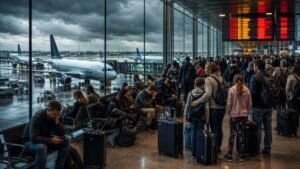
Travelers flying with United Airlines, Alaska Airlines, Delta Air Lines, American Airlines, and other carriers were affected as disruption spread through routes connecting San Francisco with major destinations including Los Angeles, New York, Chicago, Seattle, London, Tokyo, Singapore, and Vancouver.
For many passengers, the disruption turned a normal travel day into a stressful experience filled with uncertainty, rebooking problems, and crowded airport spaces.
Why Flights Were Delayed at SFO
The disruption at San Francisco International Airport was linked to several overlapping issues. Low cloud cover, air traffic congestion, runway construction, and stricter federal safety controls all contributed to slower operations.
San Francisco’s weather is often affected by marine layers and reduced visibility, which can force aviation authorities to increase spacing between arriving aircraft. When that happens, fewer planes can land each hour, creating a chain reaction of delays.
Because SFO is one of the busiest gateways on the West Coast, even small slowdowns can quickly affect hundreds of flights.
FAA Safety Measures Add Pressure
Federal Aviation Administration safety procedures have also played a major role in slowing operations at SFO. Updated landing rules have reduced the number of aircraft that can arrive each hour, especially during periods of limited visibility or heavy traffic.
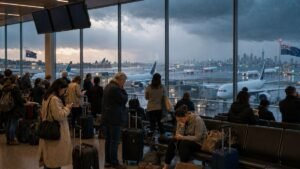
The airport’s closely spaced parallel runways require careful aircraft separation. Under newer procedures, arrival capacity has been reduced from higher hourly levels to around 36 arrivals per hour in some operating conditions.
While these measures are designed to improve safety, they can also reduce airport efficiency during peak travel periods.
Runway Construction Makes Delays Worse
Runway construction has added another challenge for travelers. A major runway rehabilitation project has placed additional limits on airport capacity, affecting arrival and departure schedules.
The project includes pavement replacement, lighting upgrades, and taxiway improvements. Airport officials have warned that this type of work can increase delays, especially during busy morning and evening travel windows.
When construction limits runway availability and weather reduces visibility at the same time, delays can build quickly across the airport.
Airlines Struggle to Keep Schedules Moving
United Airlines, which operates a major hub at San Francisco, was among the airlines affected by the disruption. Alaska Airlines, Delta Air Lines, American Airlines, and several international carriers also faced schedule pressure.
When a large airport like SFO slows down, the impact can spread far beyond California. Aircraft and crews often operate multiple flights in one day, so a delay in San Francisco can later affect routes in other cities.
This is why passengers on connecting flights faced additional stress as they checked airline apps and airport boards for updates.
Passengers Face Long Lines and Missed Connections
Inside the terminals, passengers dealt with long waits, changing departure times, and crowded customer service counters.
Families trying to begin vacations, business travelers heading to meetings, and international passengers making connections all faced uncertainty.
Some travelers worried about missed hotel bookings, onward flights, and important work commitments. Others waited on terminal floors while airline staff attempted to manage rebooking requests and schedule changes.
For international passengers, delayed inbound aircraft also created problems with customs timing and onward travel availability.
More SFO Delays Could Follow
Airport and federal officials have warned that delays could continue whenever poor weather, runway limits, and heavy traffic combine.
Travelers using San Francisco International Airport should continue checking flight status before leaving for the airport.
Passengers are advised to monitor airline alerts, keep rebooking options ready, and allow extra time for travel during periods of operational disruption.
Conclusion
San Francisco International Airport faced another difficult travel day as 312 delays and 39 cancellations disrupted passengers across domestic and international routes.
Weather, FAA safety procedures, runway construction, and high traffic all combined to slow operations at one of America’s busiest aviation hubs.
For passengers, the disruption meant long waits, missed connections, and rising frustration.
With more delays possible during ongoing runway work and changing weather conditions, travelers should stay alert, check flight updates frequently, and prepare flexible travel plans.