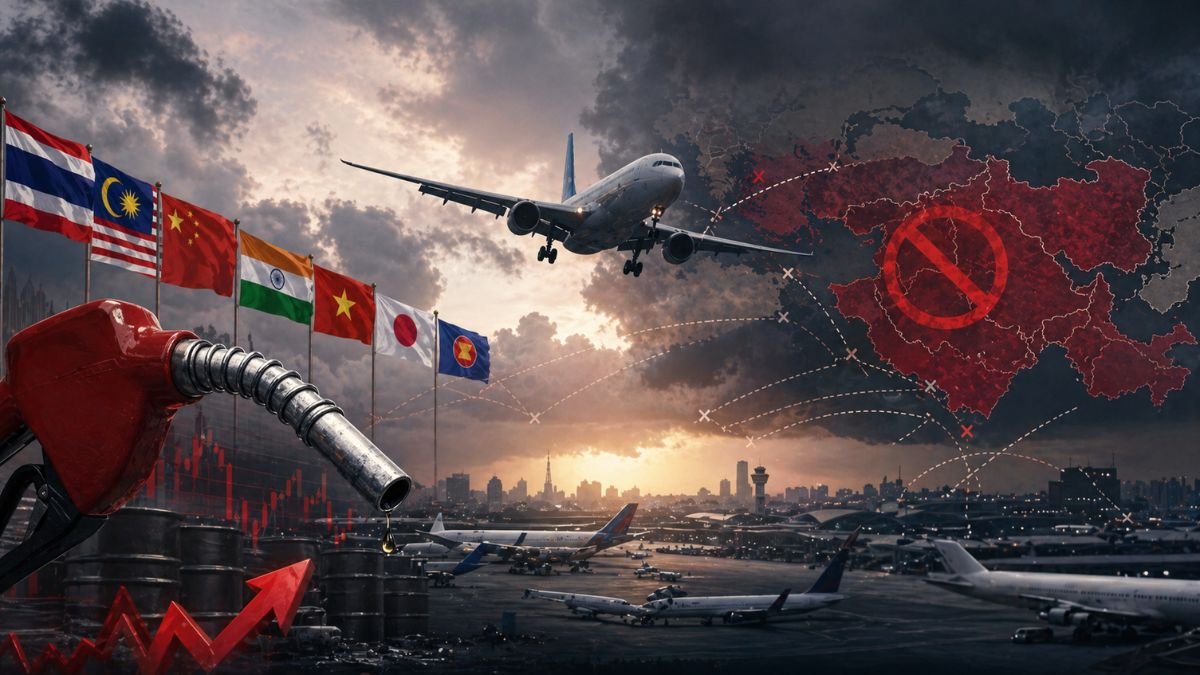
Air travel across Asia is facing growing disruption as rising jet fuel prices and Middle East airspace restrictions force major airlines to rethink their schedules.
Countries including Thailand, Malaysia, China, India, Vietnam and Japan are now dealing with flight reductions, route suspensions and higher operating costs.

Airlines such as Thai AirAsia, IndiGo, AirAsia, Air China, VietJet and ANA are among those adjusting services as fuel becomes more expensive and certain international routes become harder to operate.
Rising Fuel Costs Push Airlines to Cut Capacity
Jet fuel is one of the biggest expenses for airlines, and recent price increases have added serious pressure to carriers already managing tight margins. When fuel costs rise sharply, long-haul and low-demand routes often become less profitable.
As a result, many airlines are reducing seat capacity, suspending weaker routes and raising fares or fuel surcharges. These changes are affecting passengers planning international travel, especially across the Gulf, Europe and parts of Asia.
Thailand Sees Major Adjustments

Thailand’s aviation market has been hit by higher costs and route complications. Thai AirAsia has reportedly reduced capacity for selected travel periods, especially on routes affected by fuel expenses and airspace issues.
The airline is focusing more on stronger domestic and regional markets while scaling back flights that are more expensive to operate. Routes connected to India, Vietnam and the Middle East are among those facing closer review.
Malaysia Faces Route Reductions
Malaysia’s AirAsia is also adjusting its network as costs rise. The airline has been forced to review routes linked to the Gulf and other international destinations where longer flying times and restrictions increase expenses.
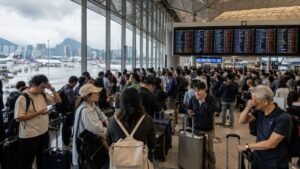
Some low-demand routes may be suspended temporarily, while more profitable domestic and Southeast Asian services are expected to receive greater focus. This strategy allows airlines to protect cash flow while waiting for fuel markets and airspace conditions to stabilize.
China and India Also Feel the Impact
In China, Air China has faced pressure on long-haul international operations. Routes to the Middle East and Europe are particularly vulnerable because airspace restrictions can increase journey times, fuel use and overall costs.
India’s aviation sector is facing similar issues. IndiGo and Air India have had to adjust Gulf and international schedules, with some services reduced or reviewed. Since Gulf routes are important for Indian passengers and overseas workers, any reduction can quickly affect ticket availability and pricing.
Vietnam and Japan Adjust International Routes
Vietnam’s VietJet has also reviewed international flights, especially those linked to the Middle East and longer-distance destinations.
The airline is expected to focus more on high-demand domestic and regional routes, where costs are easier to manage.
In Japan, ANA has been adjusting long-haul operations and applying higher surcharges on some international flights.
Routes to the Middle East and Europe are more exposed to disruption because they rely heavily on stable air corridors and predictable fuel costs.
Passengers May Face Higher Fares
For travelers, the biggest impact may come through fewer flight options, sudden schedule changes and higher ticket prices. When airlines cut capacity, available seats become limited, which can push fares upward.
Passengers flying through affected regions may also experience longer routes, revised departure times or unexpected cancellations.
Conclusion
Asia’s aviation industry is facing a difficult period as rising jet fuel costs and Middle East airspace restrictions reshape flight schedules.
Thailand, Malaysia, China, India, Vietnam, Japan and other countries are seeing airlines reduce routes, cut capacity and increase surcharges.
Until fuel prices stabilize and airspace restrictions ease, travelers should prepare for possible cancellations, fare hikes and changing international flight options.