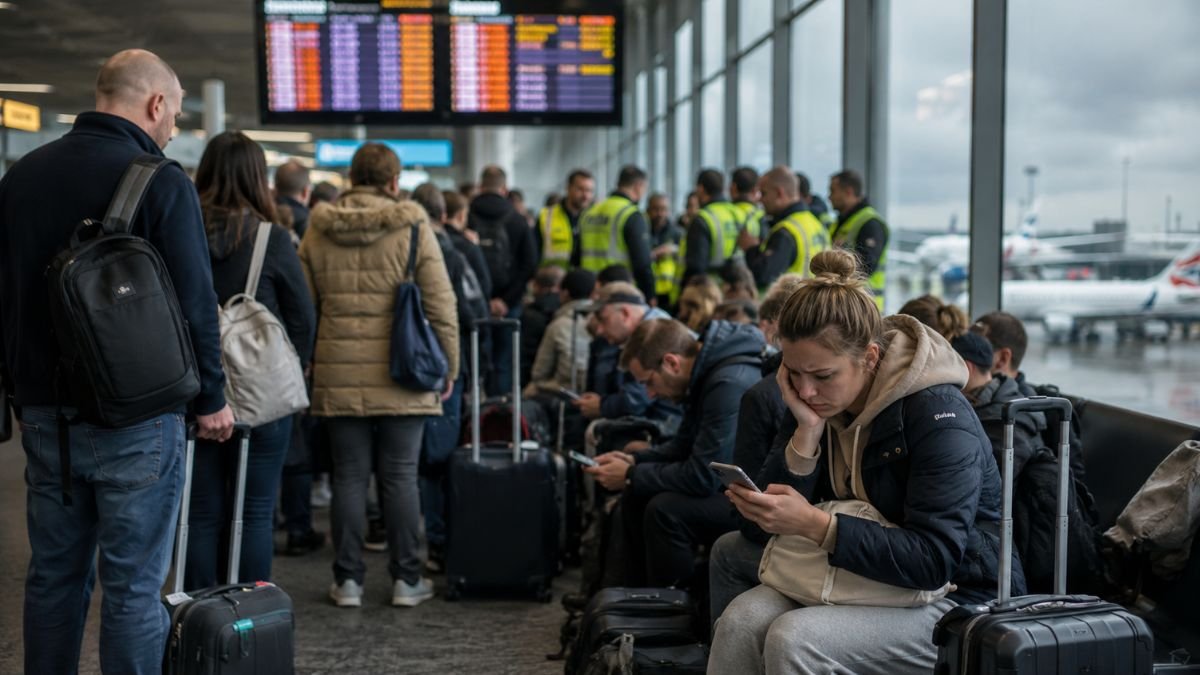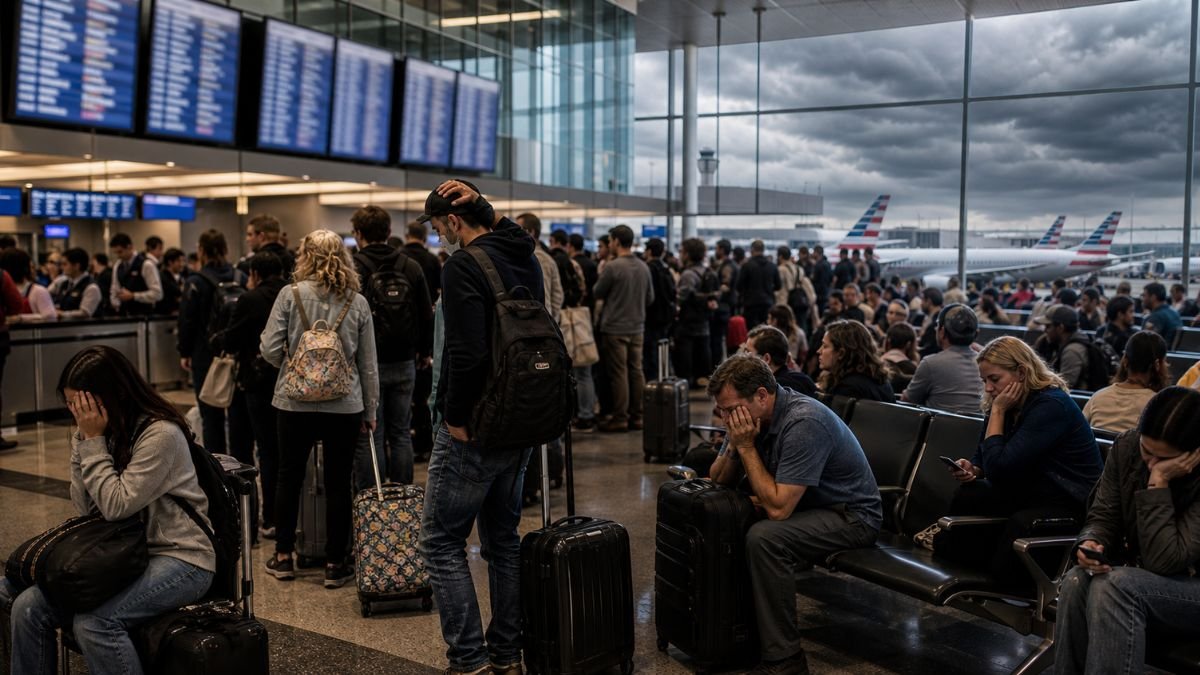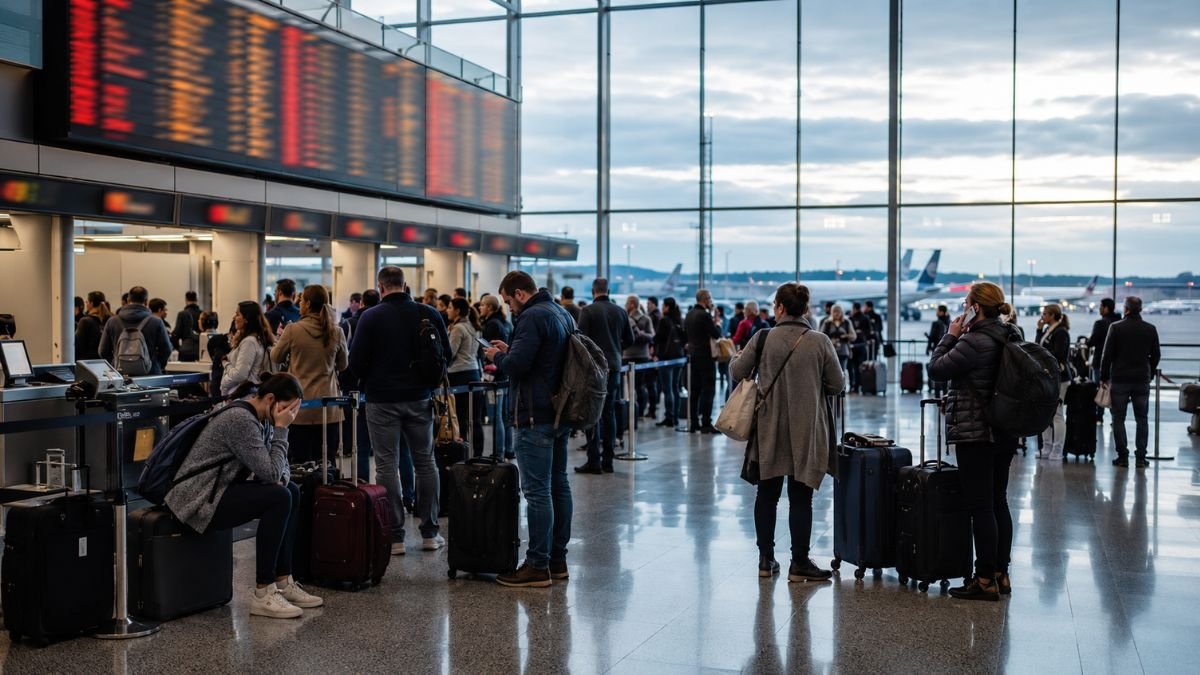
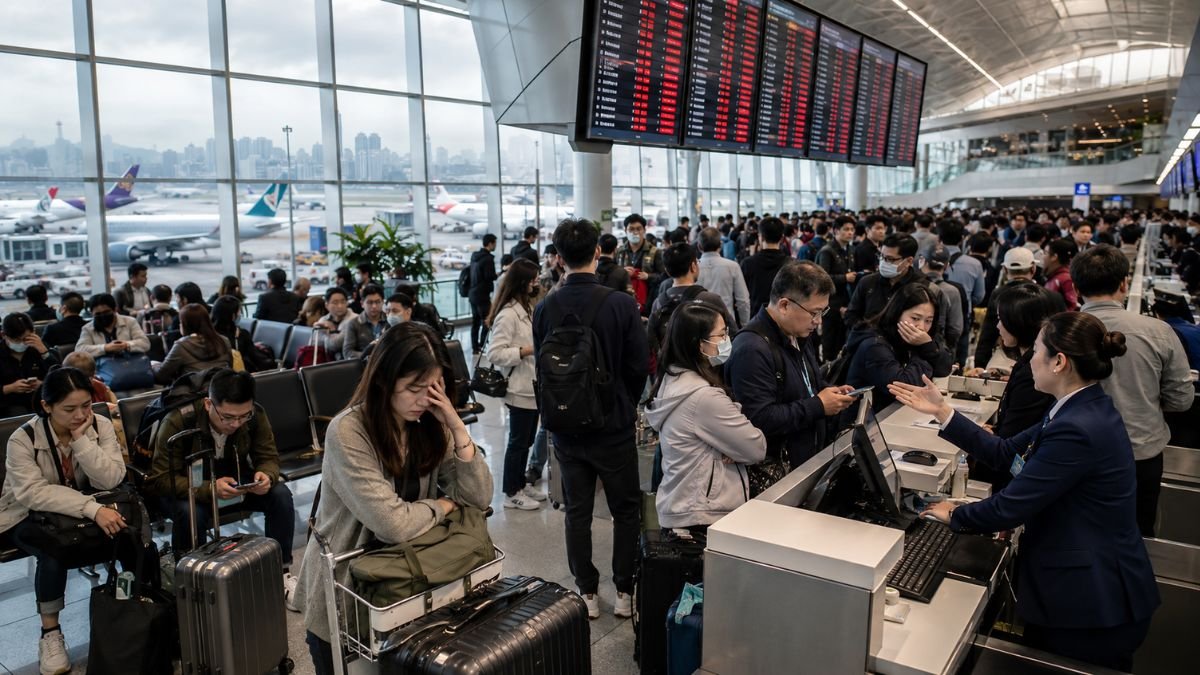
A major wave of flight disruptions affected several key aviation hubs across Asia on 10 June 2026, with 70 flights cancelled and 1,477 flights delayed across Indonesia, Malaysia, Thailand, the Philippines, India, China and Japan.
The disruption created long waits, missed connections and operational pressure for thousands of passengers travelling through some of the region’s busiest airports.

Airlines including Batik Air, AirAsia, PAL Express, Air China, Fiji Airways, IndiGo, Thai Airways, Japan Airlines and other major carriers were impacted by the delays and cancellations.
The scale of the disruption showed how closely connected Asia’s aviation network has become. A delay in one major hub can quickly affect connecting flights, aircraft rotations and airport schedules across multiple countries.
Indonesia Airports Face Heavy Pressure
Indonesia recorded several major disruptions, especially at Jakarta-Soekarno-Hatta International Airport. The country’s primary gateway reported 25 cancellations and 216 delays in a single day.

Batik Air was among the most affected carriers at Jakarta, with 14 cancellations and 50 delays. Other Indonesian airlines, including Garuda Indonesia, Citilink, Lion Air, Super Air Jet and TransNusa, also faced operational delays.
Sultan Hasanuddin International Airport reported 5 cancellations and 62 delays, while Kuala Namu International Airport recorded 3 cancellations and 39 delays. These disruptions added further pressure to Indonesia’s domestic and international flight network.
Malaysia, Thailand And The Philippines Also Affected
In Malaysia, Senai International Airport, also known as Sultan Ismail International Airport, saw 5 cancellations and 6 delays. AirAsia accounted for most cancellations at the airport, while Malindo Air and Firefly also experienced delays.

Thailand’s Suvarnabhumi Bangkok International Airport faced only 1 cancellation, but the delay count was much higher, with 195 flights affected.
Thai Airways and Thai Vietjet Air reported some of the largest delay numbers, showing how even limited cancellations can still create serious airport congestion.
In the Philippines, Manila International Airport recorded 1 cancellation and 116 delays. Cebu Pacific Air, PAL Express, Philippine Airlines and other regional carriers were among those affected.
India And China See Major Scheduling Backlogs
India’s Indira Gandhi International Airport in New Delhi reported 4 cancellations and 214 delays, making it one of the worst-hit airports in the region. IndiGo recorded 119 delays, while SpiceJet reported all 4 cancellations and 23 delays.
China also faced major disruption. Beijing Daxing International Airport registered 13 cancellations and 157 delays, with Air China and China Eastern among the most affected airlines.
Shanghai Pudong International Airport recorded 8 cancellations and 191 delays, disrupting both domestic and international schedules.
Japan Airports Struggle With Delays
Japan’s Tokyo Haneda Airport reported 4 cancellations and 181 delays. All Nippon Airways, Japan Airlines, Skymark and Air Do were among the carriers affected by delayed operations.
Narita International Airport also faced disruption, with 1 cancellation and 100 delays. Fiji Airways recorded the cancellation, while several international carriers experienced delays across the day.
Tourism And Passenger Impact
The disruption could affect short-term travel confidence across Asia, especially for tourists with multi-country itineraries. Missed connections can lead to hotel losses, cancelled tours and extra transport costs.
Travellers may now prefer longer layovers, direct routes and flexible bookings when flying through major hubs such as Bangkok, Jakarta, Manila, New Delhi, Beijing, Shanghai and Tokyo.
What Passengers Should Do
Affected passengers should monitor flight status through official airline apps and airport screens. If a flight is cancelled or heavily delayed, travellers should contact the airline quickly for rebooking options.
Passengers should also keep receipts, delay notices and booking records for possible travel insurance claims. Rules on compensation and assistance vary by country and airline, so checking the carrier’s official policy is important.
Conclusion
The 70 cancellations and 1,477 delays across Asia underline how fragile regional flight schedules can become during large-scale disruption.
With airports in Indonesia, Malaysia, Thailand, the Philippines, India, China and Japan all affected, passengers are being reminded to stay flexible, track flights in real time and prepare backup travel plans.