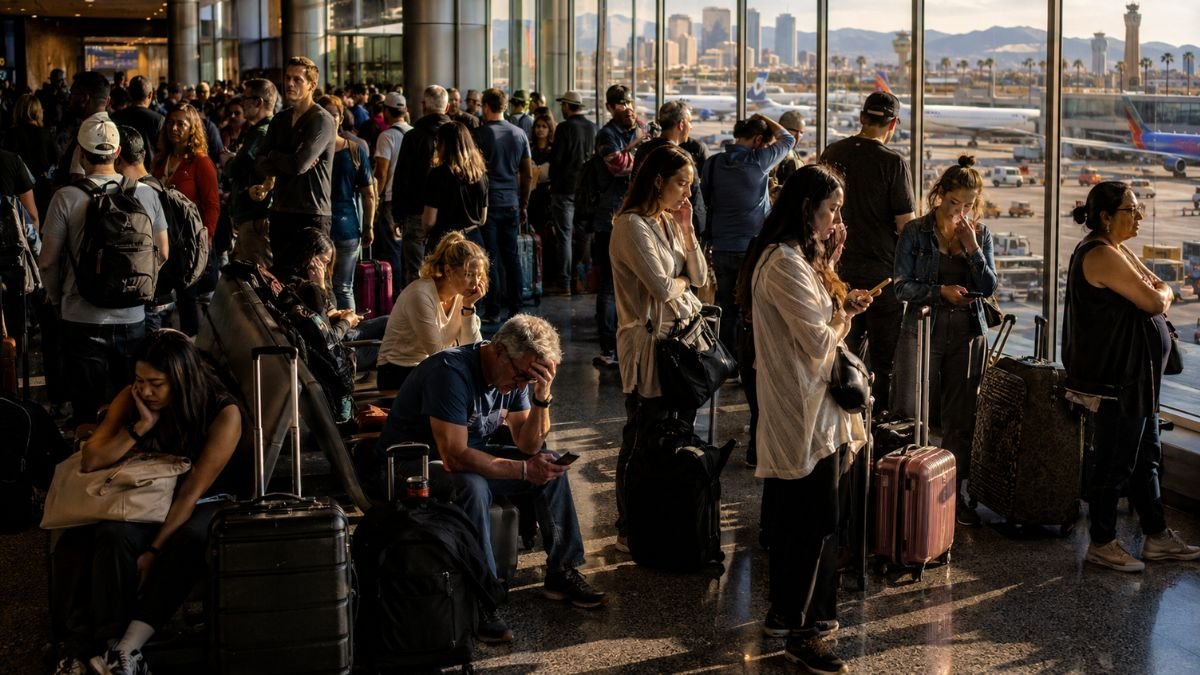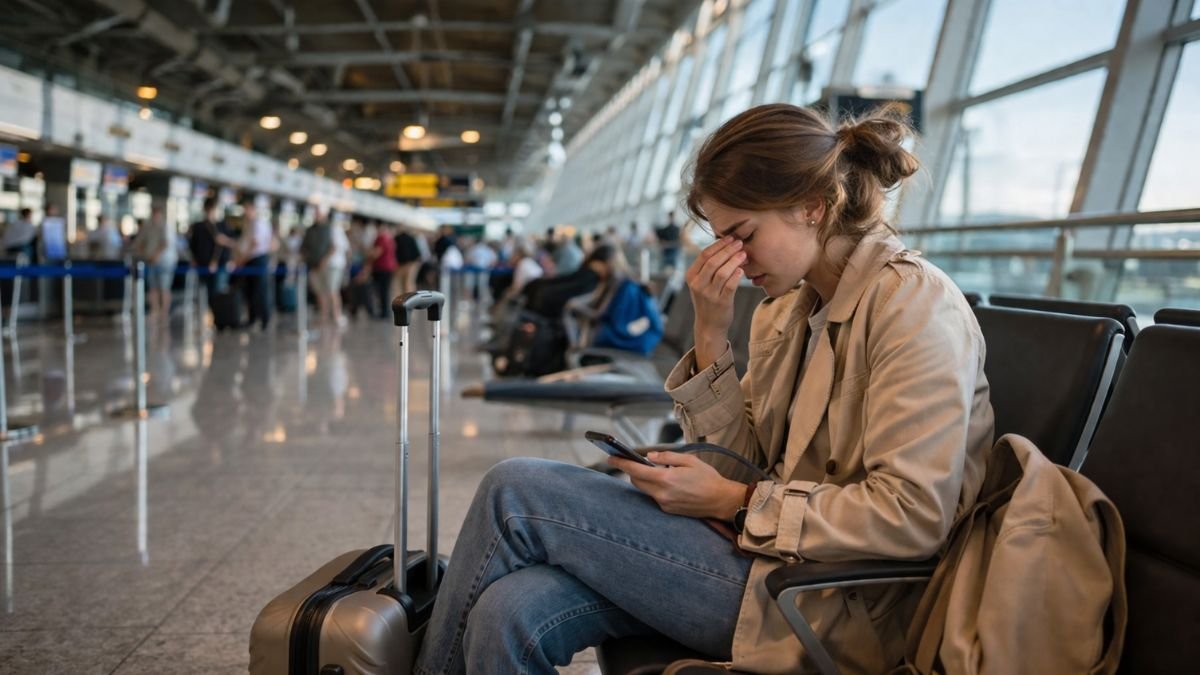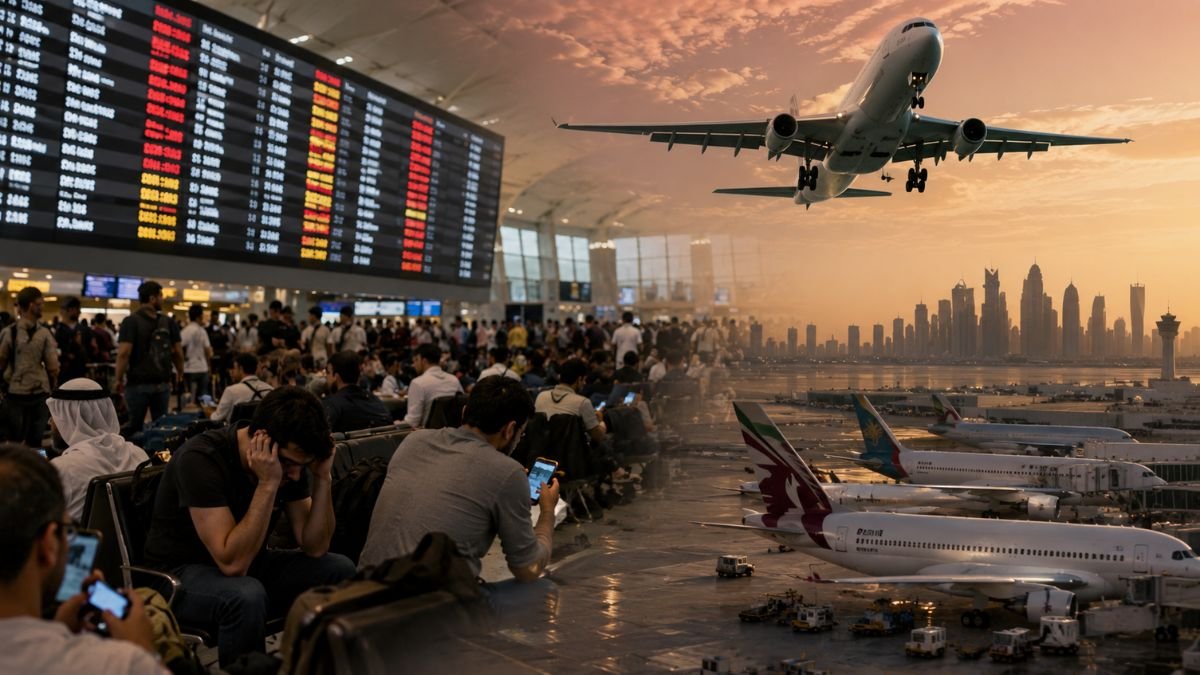
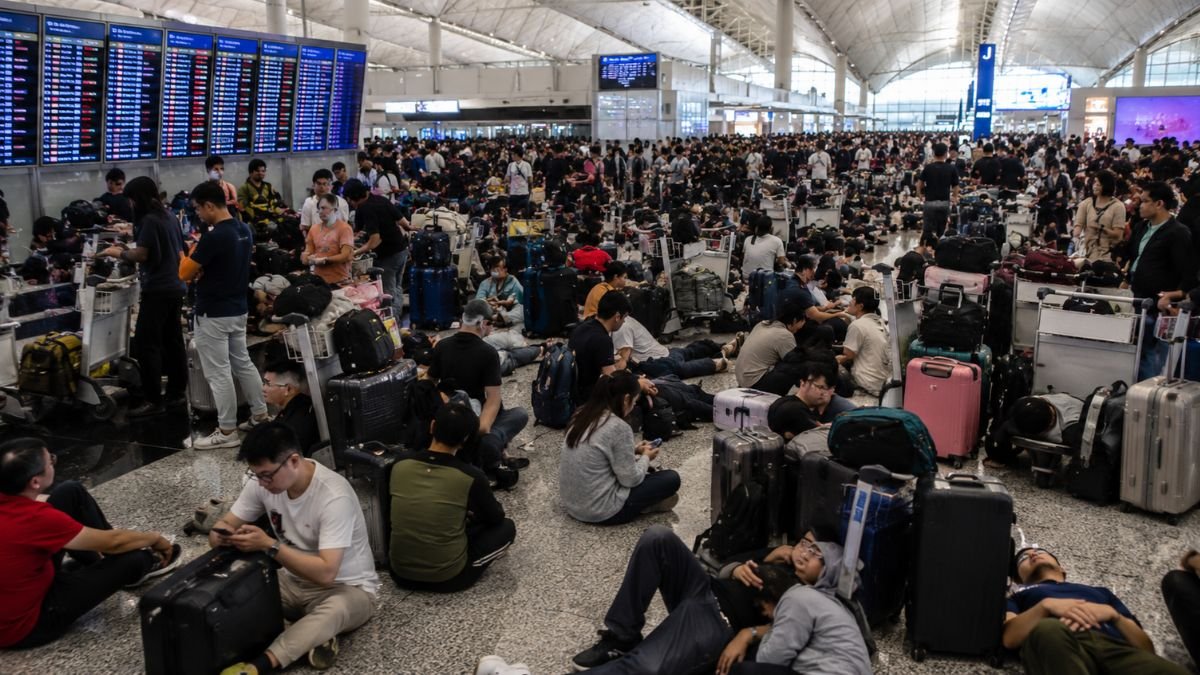
Air passengers across Asia and key international transit hubs are facing major travel disruption as severe weather and operational congestion trigger hundreds of cancellations and thousands of delays.
According to reported airport disruption data, around 325 flights have been cancelled and 3,513 flights delayed across affected networks.

The disruption is hitting major hubs in Qatar, China, Indonesia, India, Japan, and Türkiye, with ripple effects spreading into the Middle East and other global routes.
Airlines including China Eastern, IndiGo, Hainan Airlines, Japan Airlines, AirAsia, Qatar Airways, and several others are dealing with schedule pressure as weather systems, congested airspace, and delayed aircraft rotations continue to affect operations.
Severe Weather Drives Aviation Instability
The main cause of the disruption is severe convective weather, monsoon rainfall, and atmospheric instability across parts of East and Southeast Asia.

These conditions can reduce airport capacity, slow aircraft movement, and force air traffic controllers to increase spacing between flights.
When bad weather hits major aviation hubs, delays can quickly spread across the wider network. Aircraft arrive late, crews fall out of position, and connecting passengers miss onward flights.
This creates a chain reaction that can continue long after the initial weather system moves away.
China Airports Face Heavy Pressure

China remains one of the worst-hit regions in the current disruption wave. Major airports such as Guangzhou Baiyun, Shenzhen Bao’an, Shanghai Pudong, Shanghai Hongqiao, Beijing Daxing, and Beijing Capital have all reported significant delays and cancellations.
Guangzhou Baiyun recorded some of the highest disruption figures, with dozens of cancellations and hundreds of delays. Shenzhen Bao’an also faced heavy pressure, with more than 500 delays reported.
Other airports including Xi’an, Chongqing, Hangzhou, Kunming, Chengdu, Zhengzhou, and Wuhan have also been affected, showing that the disruption is not limited to one city or airport.
India, Indonesia And Japan Also Affected
In India, major hubs such as Delhi and Mumbai have faced schedule disruption, with IndiGo reporting one of the highest delay counts among South Asian carriers. Other airlines including SpiceJet and Akasa Air have also been affected.
Indonesia is also seeing delays and cancellations, especially at Jakarta Soekarno–Hatta International Airport. AirAsia and Batik Air are among the regional carriers facing operational challenges.
Japan’s network has also been impacted, with Tokyo Haneda reporting delays and cancellations. Japan Airlines and All Nippon Airways have both recorded significant delays, reflecting wider pressure across East Asian flight corridors.
Middle East Hubs Feel Ripple Effects
The disruption has also reached major Middle Eastern transit hubs. Istanbul Airport, Dubai International, Hamad International in Doha, Riyadh, Jeddah, Dammam, and Bahrain have all seen some level of delay impact.
Although many of these airports are not directly in the worst weather zones, delayed inbound flights from Asia can affect connections and onward schedules.
What Passengers Should Do
Travellers are advised to check airline apps frequently, monitor airport advisories, and allow extra time for connections. Passengers should also keep travel documents, boarding passes, and delay notifications in case they need to request rebooking, refunds, or reimbursement.
Conclusion
Asia’s aviation network is under major pressure as severe weather and congestion cause 325 cancellations and 3,513 delays across key airports.
China, India, Indonesia, Japan, Qatar, and Türkiye are among the affected regions, with airlines working to restore schedules.
Until weather and air traffic conditions improve, passengers should expect continued delays, missed connections, and last-minute changes.