Several Asian destinations, including Japan, Singapore, South Korea, Myanmar, Cambodia, Vietnam, Malaysia, and other regional markets, are facing fresh pressure as tourism growth slows.
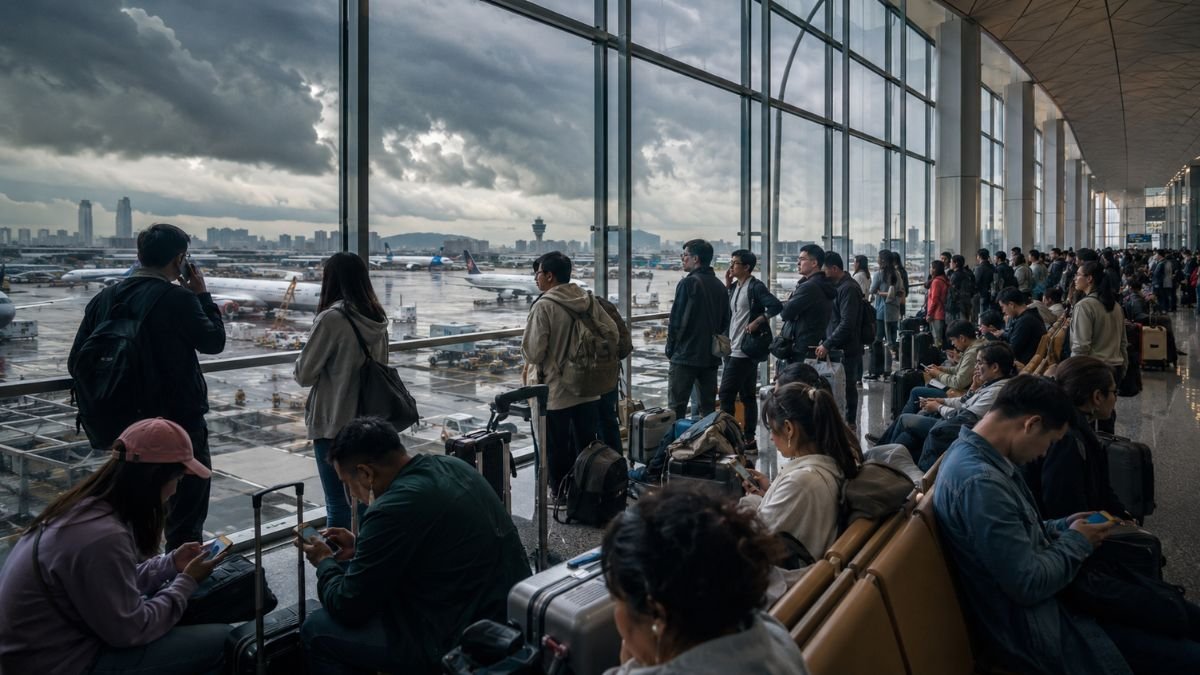
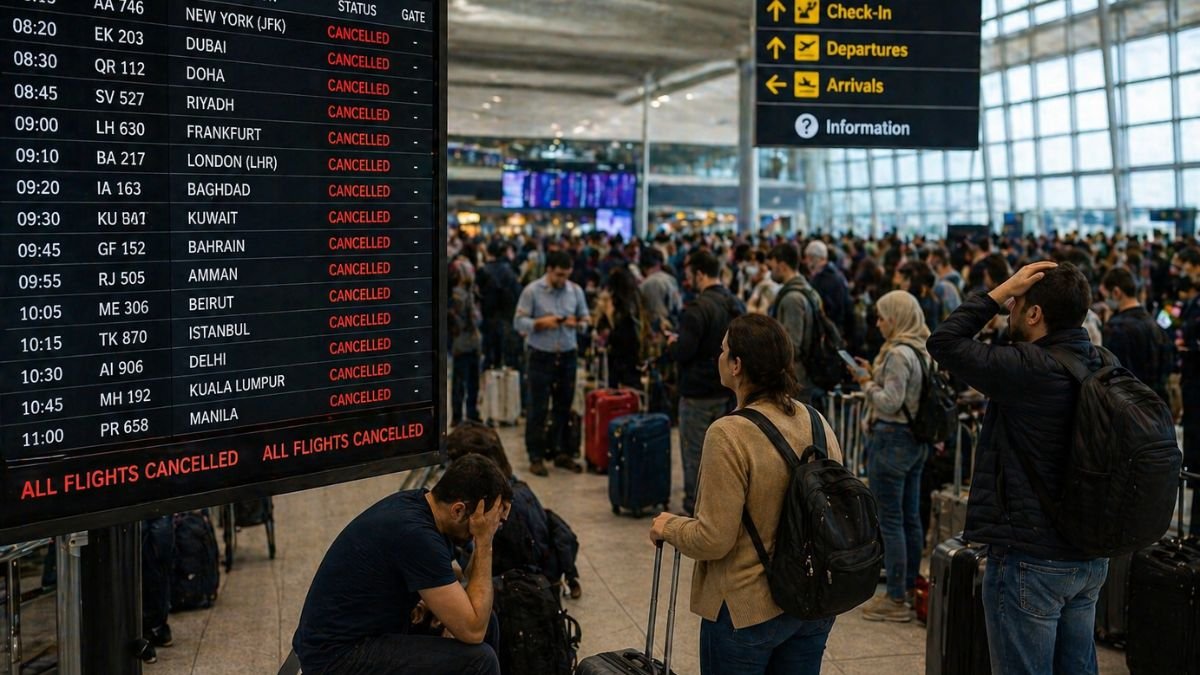
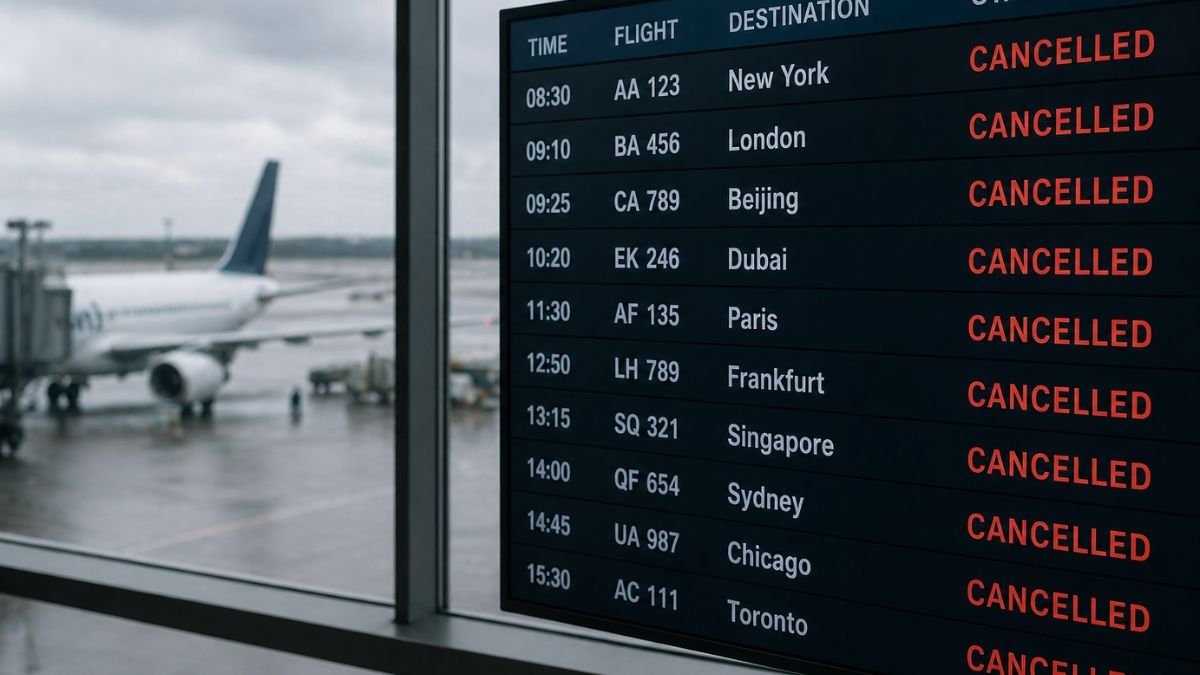
A key concern is the disruption of international flights, especially routes connected to Chinese outbound travel.

Chinese tourists have long played an important role in Asia’s tourism economy. From shopping trips in Japan and Singapore to beach holidays in Thailand and cultural visits in Cambodia, many countries depend heavily on this market.
However, recent flight cancellations, delays, safety concerns, and economic uncertainty have made travel planning more difficult.
Flight Disruptions Affect Chinese Travellers
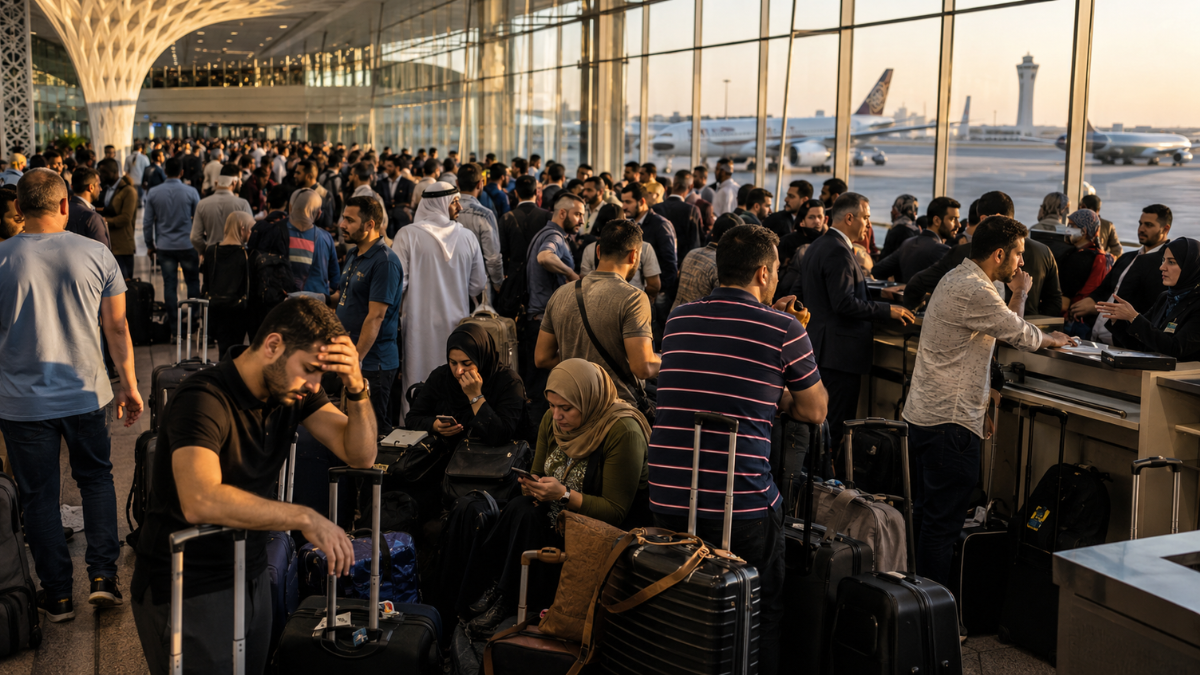
The biggest challenge for many destinations is unstable air connectivity. Frequent flight disruptions have made tourists less confident about booking overseas trips.

Travellers are worried about sudden cancellations, higher fares, limited rebooking options, and delays that can affect hotels, tours, and holiday plans.
Thailand has seen strong interest during holiday periods, but uncertainty around flights and safety has raised questions about whether this recovery can continue. Since Thailand is one of the most popular destinations for Chinese travellers, any weakness in travel confidence there can affect the wider region.
Japan Sees Slower Tourism Momentum
Japan remains one of Asia’s most attractive destinations, known for culture, shopping, food, and seasonal travel experiences.

However, Chinese tourism growth has faced pressure from reduced flight capacity, higher travel costs, and cautious consumer spending.
Although the weaker yen can make Japan cheaper for some visitors, many travellers are still careful with overseas spending. Concerns about natural disasters, crowding, and travel reliability have also affected decisions.
Singapore and Malaysia Face Regional Competition
Singapore continues to be a major travel and business hub, but it is also feeling the impact of weaker Chinese travel demand. Flight delays, changing schedules, and strong competition from cheaper regional destinations have affected visitor interest.
Malaysia faces a similar situation. Its cities, beaches, food culture, and shopping remain popular, but inconsistent flight services between China and Kuala Lumpur have slowed recovery. Nearby countries offering lower-cost packages are also pulling some travellers away.
South Korea Struggles With Chinese Arrivals
South Korea has long attracted Chinese tourists through shopping, beauty products, K-pop, food, and cultural attractions. However, arrivals have not returned as strongly as expected. Geopolitical tensions, economic concerns, and unstable flight routes have all contributed to weaker demand.
Some travellers are also choosing destinations they see as easier, cheaper, or more predictable. For South Korea, restoring confidence among Chinese visitors remains an important challenge.
Myanmar and Cambodia Face Extra Challenges
Myanmar’s tourism sector continues to struggle because of political instability and safety concerns. Even with cultural and natural attractions, many travellers remain hesitant to visit.
Cambodia, famous for Angkor Wat and heritage tourism, is also facing slower Chinese arrivals. Reduced flights, competition from Thailand and Vietnam, and developing tourism infrastructure have made recovery more difficult.
Vietnam Remains Attractive but Not Immune
Vietnam is still one of Southeast Asia’s most affordable and appealing destinations. Its beaches, cities, food, and cultural experiences continue to attract visitors. However, flight cancellations and slower travel confidence have affected growth.
Even destinations with strong appeal are being impacted because tourists now want reliable flights, safety, convenience, and flexible travel options before booking.
Conclusion
Asian tourism is facing a difficult recovery phase as flight disruptions weaken Chinese travel confidence. Japan, Singapore, South Korea, Myanmar, Cambodia, Vietnam, Malaysia, Thailand, and other countries are all affected in different ways.
While demand for travel still exists, tourists are becoming more cautious. Reliable flights, better safety messaging, affordable packages, and stronger air connectivity will be essential for the region to regain momentum.
The coming months will show which destinations can adapt fastest and rebuild trust among Chinese travellers.