
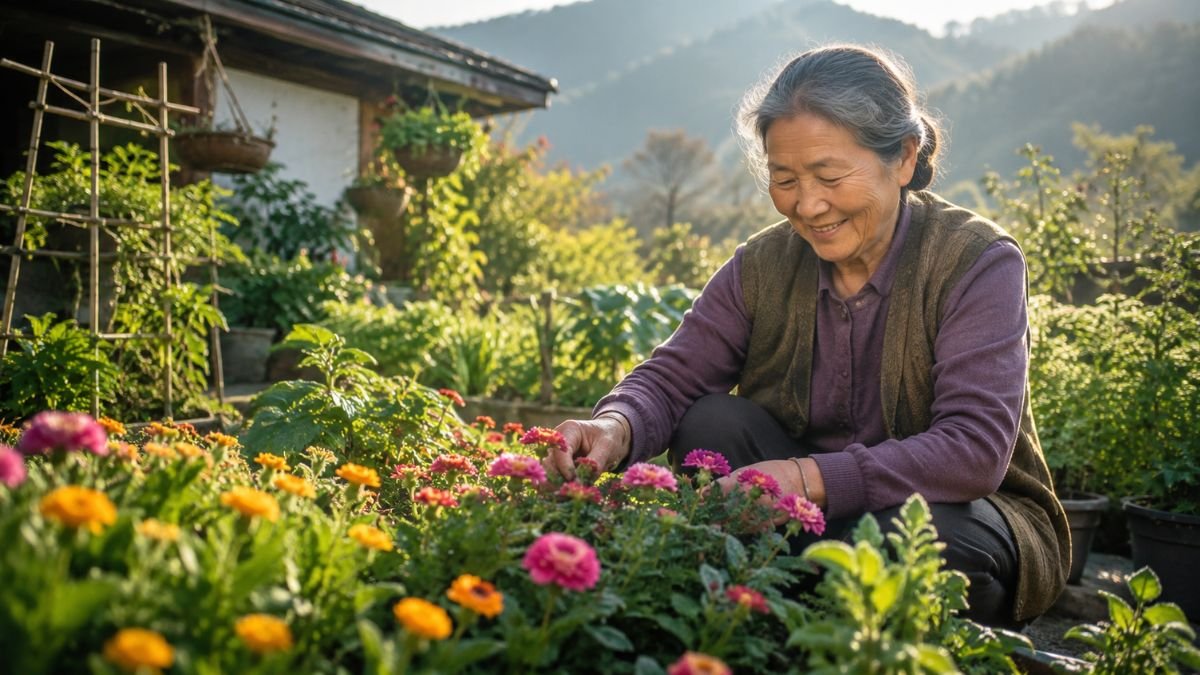
Some proverbs survive because they sound beautiful. Others survive because their message remains true across generations. The traditional Chinese proverb, “If you would be happy for a week, take a wife; if you would be happy for a month, kill a pig; but if you would be happy all your life, plant a garden,” belongs to the second group.
At first, the saying may sound humorous or unusual. It compares marriage, food, and gardening in one sentence. But beneath its simple wording is a thoughtful lesson about happiness, patience, and the difference between temporary pleasure and lifelong fulfilment.

In today’s fast-moving world, this proverb feels more relevant than ever.
Meaning of the Chinese Proverb
The proverb compares three different kinds of happiness. The first two represent short-term joy. Marriage is used here as a symbol of excitement and celebration. Killing a pig refers to a feast, which brings pleasure for a limited time.
But planting a garden represents something much deeper. A garden requires patience, care, routine, and steady effort. It does not grow overnight.

A person must plant seeds, water them, protect them, wait through seasons, and accept failures along the way.
The deeper meaning is simple: quick pleasures fade quickly, but lasting happiness comes from nurturing something meaningful over time.
Why This Proverb Feels Modern Today
Modern life is full of instant satisfaction. People can order food in minutes, watch endless entertainment, scroll social media for hours, and buy almost anything with one click. These things may bring comfort or excitement, but the feeling often disappears quickly.

That is why many people still feel restless, tired, or emotionally empty even when they are constantly entertained. Short-term pleasure does not always create long-term peace.
The Chinese proverb gently pushes against this modern cycle. It suggests that true happiness grows slowly. It comes from purpose, consistency, care, and connection rather than constant stimulation.
Why a Garden Symbolizes Peace and Fulfilment
Gardens have long been powerful symbols in Chinese philosophy, art, and literature. They often represent harmony, balance, reflection, and closeness to nature.
A garden teaches people to slow down. Plants grow at their own pace. Seasons cannot be rushed. Nature does not respond to pressure, deadlines, or impatience. This slower rhythm can feel deeply calming in a world filled with noise and urgency.
Even today, many people find gardening peaceful because it creates routine and connection. Caring for plants can make life feel more grounded.
The proverb seems to understand something very important: happiness often comes from steady care, not sudden excitement.
The Garden Is Not Always a Real Garden
The “garden” in this proverb does not have to mean only plants and soil. It can represent anything meaningful that grows through patience.
For one person, the garden may be a family. For another, it may be a friendship, a career, a creative skill, good health, or personal growth. A person who builds strong relationships over many years is planting a garden. Someone who learns a skill slowly and consistently is doing the same.
The proverb teaches that lasting happiness is cultivated. It is not usually found in one dramatic moment. It is built through small, repeated acts of care.
Why Temporary Pleasures Fade
Human beings often adapt quickly to excitement. A new purchase, achievement, or celebration may feel wonderful at first, but the emotional high usually fades. Soon, people begin looking for the next thing to make them happy.
This is why short-term pleasure can become an endless cycle. The proverb recognizes this pattern clearly. A feast brings joy for a while, but a garden gives ongoing meaning because it keeps inviting care, attention, and participation.
The Chinese proverb “If you would be happy for a week, take a wife; if you would be happy for a month, kill a pig; but if you would be happy all your life, plant a garden” offers a timeless lesson about happiness.
It does not reject celebration or pleasure. Instead, it reminds us that the deepest joy often comes from what we patiently nurture.
Whether the garden is a relationship, a skill, a routine, or a real piece of land, the message remains clear: the happiest parts of life usually grow slowly.