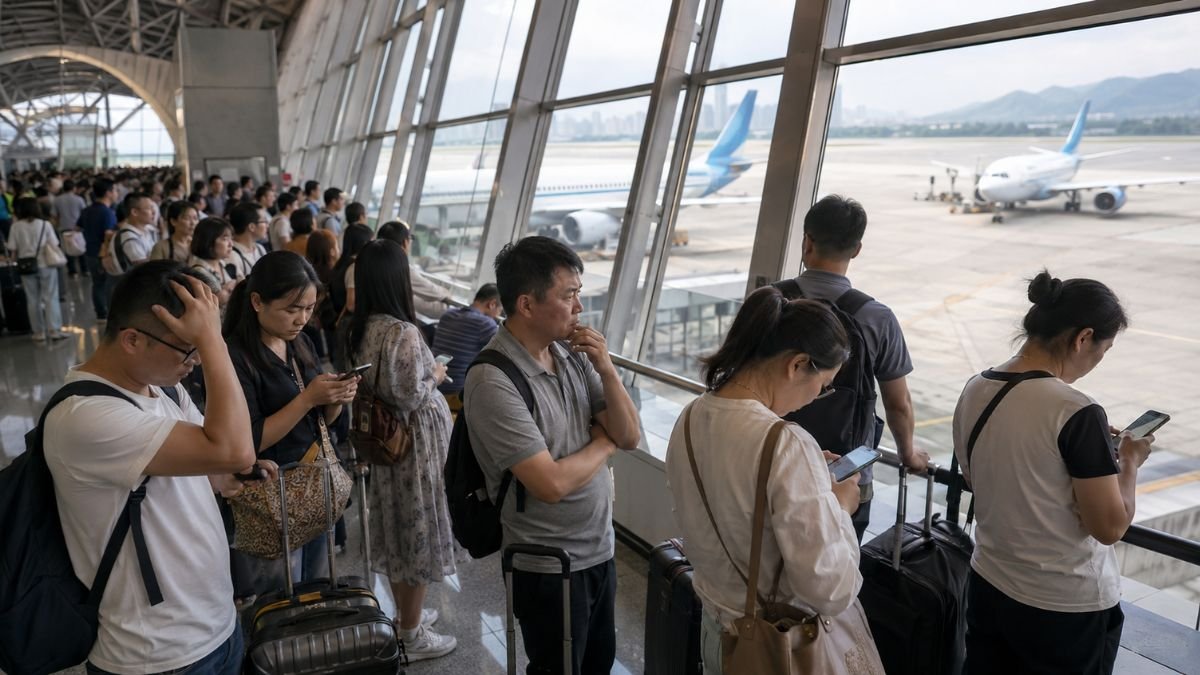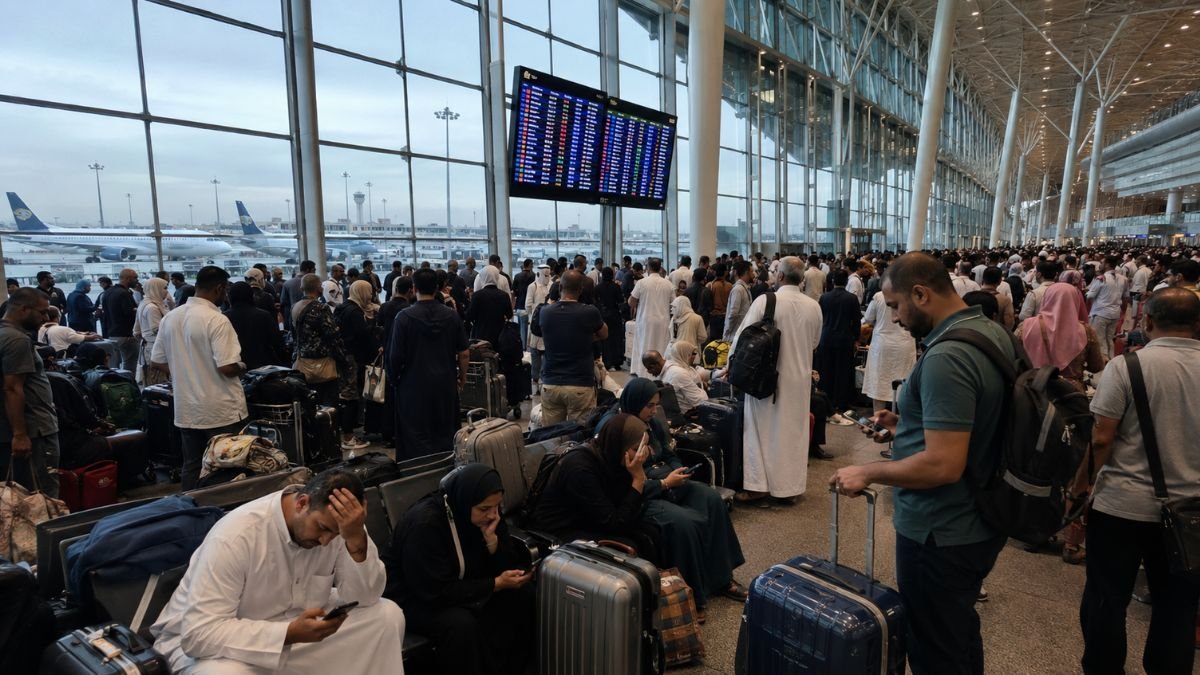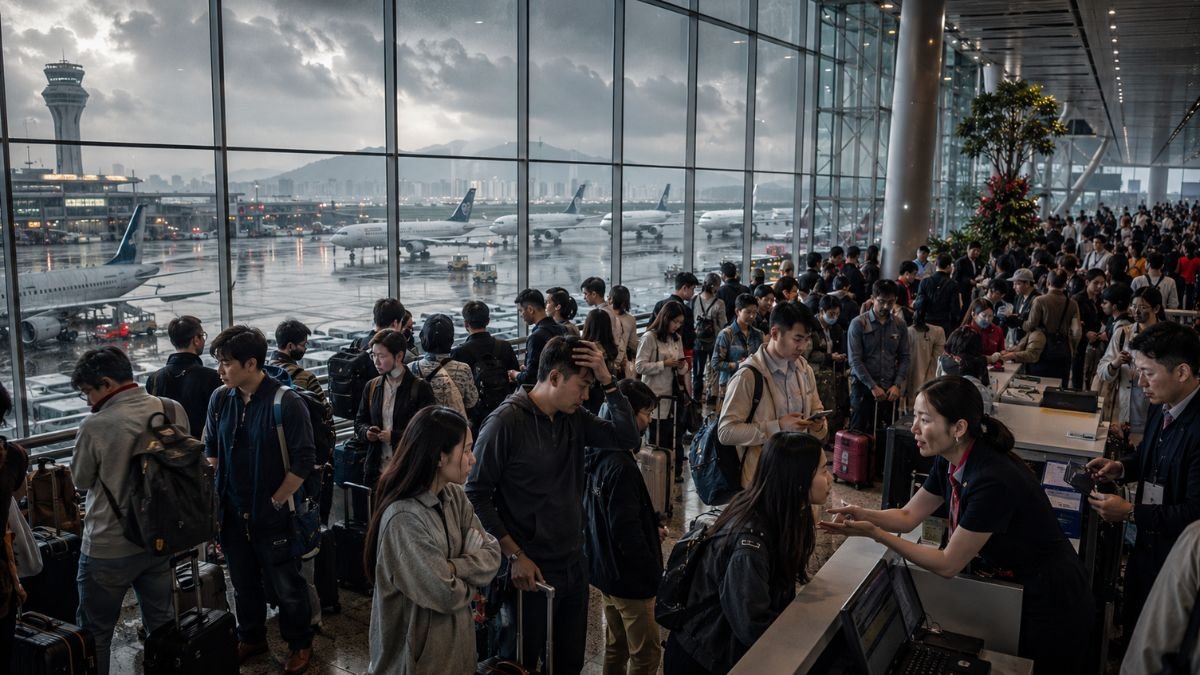
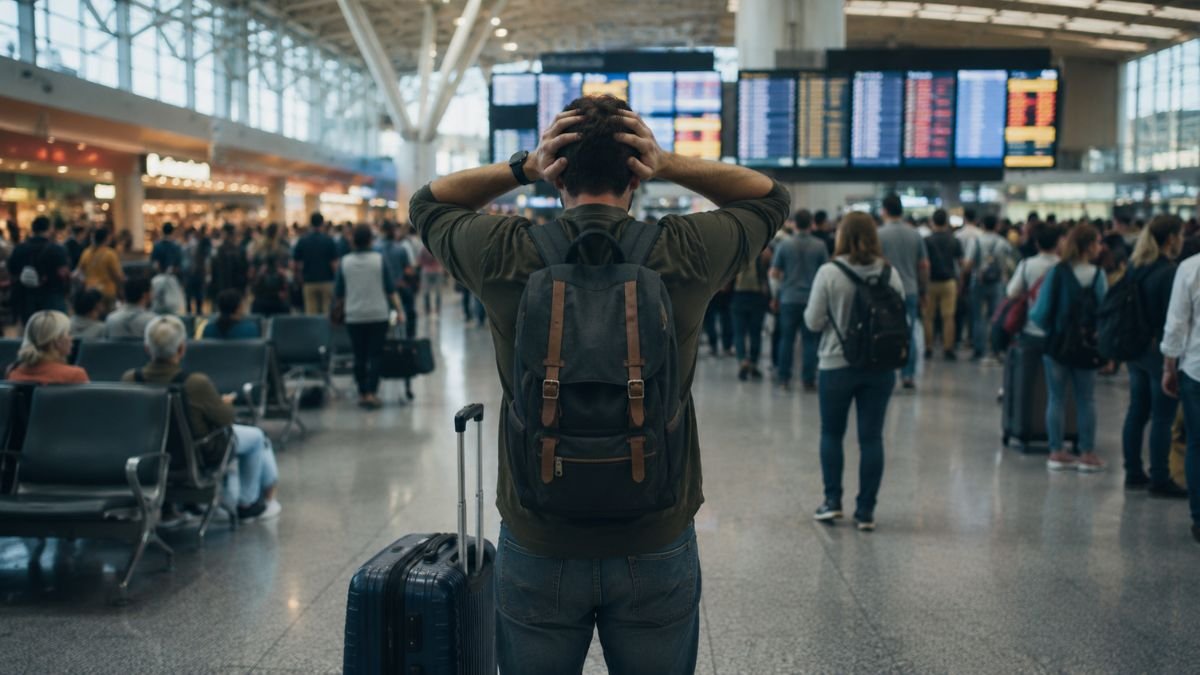
Thousands of travellers across Asia faced major disruption today as airlines and airports reported widespread delays and cancellations.
According to the latest compiled flight data, 434 flights were cancelled and 2,886 flights were delayed across several major aviation hubs in Thailand, Singapore, Japan, Hong Kong, Malaysia, China, and Indonesia.
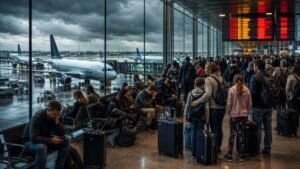
The disruption affected some of Asia’s busiest airports, including Guangzhou, Tokyo, Singapore, Bangkok, Shanghai, Jakarta, Kuala Lumpur, Hong Kong, Beijing, and Osaka. Major airlines including China Eastern, China Southern Airlines, Japan Airlines, All Nippon, Air China, Cathay Pacific, Singapore Airlines, AirAsia, Garuda Indonesia, Lion Air, Malaysia Airlines, Scoot, and Bangkok Airways were among those impacted.
Asia Flight Disruption Update Today
Asia’s aviation network came under heavy pressure as delays and cancellations spread across multiple countries. China recorded the highest number of disrupted flights, with several major airports reporting both cancellations and long delays.
Guangzhou Baiyun International Airport was the worst-hit airport, recording 380 delays and 55 cancellations.

Tokyo Haneda Airport followed with 289 delays, while Shanghai Pudong International Airport reported 188 delays and 27 cancellations.
Other airports facing major disruption included Singapore Changi Airport, Bangkok Suvarnabhumi Airport, Jakarta Soekarno-Hatta International Airport, Kuala Lumpur International Airport, Hong Kong International Airport, Beijing Capital International Airport, and Osaka Itami Airport.
Most Affected Airports in Asia
Guangzhou Baiyun International Airport, China saw the highest disruption total, with hundreds of passengers affected by delayed and cancelled flights. Airlines including China Eastern, China Southern Airlines, Air China, Shenzhen Airlines, and Hainan Airlines faced major schedule pressure.
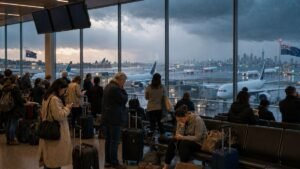
Tokyo Haneda Airport, Japan recorded 289 delays, affecting Japan Airlines, All Nippon, ANA Wings, Skymark, and other domestic carriers.
Shanghai Pudong International Airport reported 188 delays and 27 cancellations, while Shanghai Hongqiao International Airport logged 164 delays and 6 cancellations.
In Southeast Asia, Jakarta Soekarno-Hatta International Airport recorded 129 delays and 8 cancellations. Kuala Lumpur International Airport saw 119 delays and 12 cancellations, making it one of the most affected airports outside mainland China.
Singapore Changi Airport recorded 104 delays, while Bangkok Suvarnabhumi Airport reported 93 delays and 3 cancellations.
Airlines Facing Major Delays and Cancellations
China Eastern recorded the highest number of delays, with 305 delayed flights across major Chinese airports. China Southern Airlines reported 242 delays and 20 cancellations, making it one of the most heavily affected carriers.
Japan Airlines faced 152 delays and 4 cancellations, while All Nippon recorded 103 delays across Japanese airports. ANA Wings also saw 53 delays and 4 cancellations.
Air China recorded the highest cancellation count among airlines, with 57 cancellations and 108 delays. Hainan Airlines also faced significant disruption, with 37 cancellations.
In Southeast Asia, AirAsia reported 47 delays and 20 cancellations, while Lion Air, Garuda Indonesia, Batik Air, Malaysia Airlines, Malindo Air, and Scoot were also impacted.
Cathay Pacific reported 43 delays at Hong Kong International Airport as regional pressure continued through the day.
Countries Hit by Flight Disruptions
The disruption spread across several major travel markets in Asia. China accounted for the largest share of cancellations, particularly at Guangzhou, Shanghai, Beijing, Hangzhou, Kunming, Chongqing, Chengdu, Xiamen, Qingdao, Tianjin, Wuhan, Zhengzhou, Changsha, Dalian, and Haikou.
Japan saw major delays at Tokyo Haneda, Osaka Itami, Kagoshima, and Yakushima airports. Malaysia, Indonesia, Thailand, Singapore, and Hong Kong also reported elevated disruption across key airports.
What Passengers Should Do Now
Travellers affected by delays or cancellations should check airline apps and airport websites before leaving for the airport. Passengers should also review rebooking and refund policies, especially if their flight has been cancelled.
Those with connecting flights should monitor schedule changes closely. Travellers may also need to keep receipts for meals, hotels, or transport if airline compensation rules apply.
Passengers should contact their airline directly for rebooking options and arrive earlier than usual if their flight is still operating, as airports may face longer queues and congestion.
Conclusion
Asia’s aviation network faced major disruption today, with 434 cancellations and 2,886 delays affecting airports across China, Japan, Hong Kong, Singapore, Thailand, Malaysia, and Indonesia.
Guangzhou Baiyun, Tokyo Haneda, Shanghai Pudong, Kuala Lumpur, Singapore Changi, Hong Kong, Beijing Capital, Jakarta, Bangkok, and Osaka Itami were among the hardest-hit airports.
Major airlines including China Eastern, China Southern Airlines, Air China, Japan Airlines, All Nippon, Cathay Pacific, AirAsia, Singapore Airlines, and Malaysia Airlines were impacted.
Travellers should continue checking live flight updates, stay flexible with travel plans, and contact airlines directly for the latest rebooking or refund information.