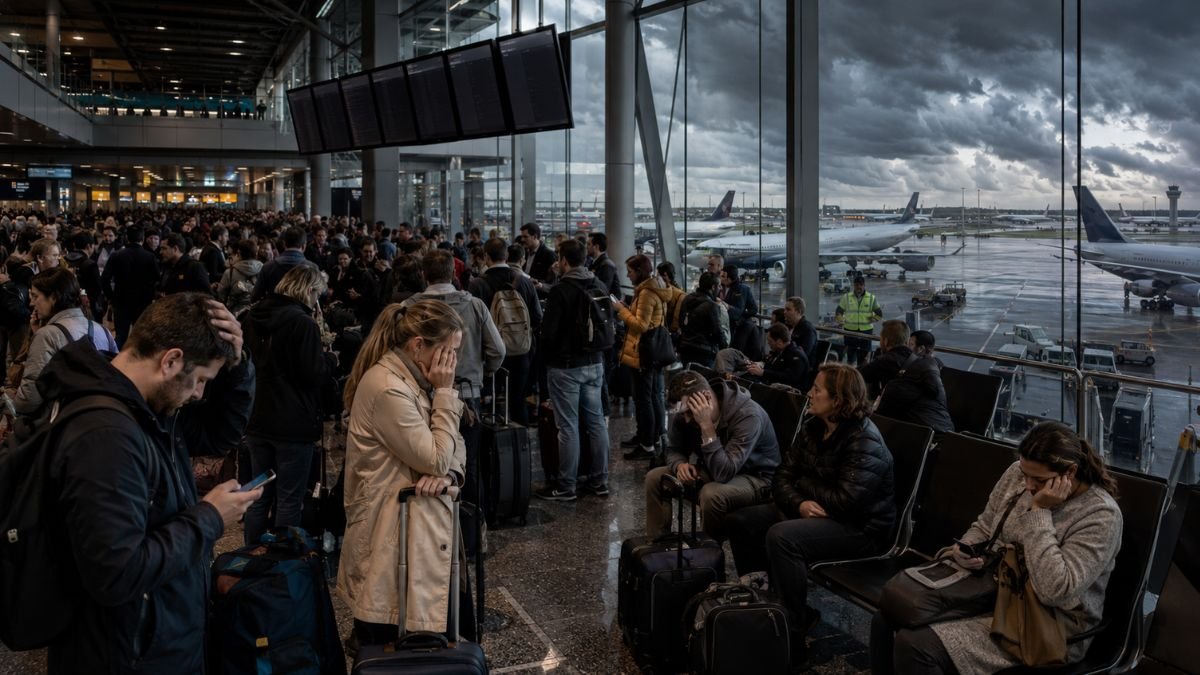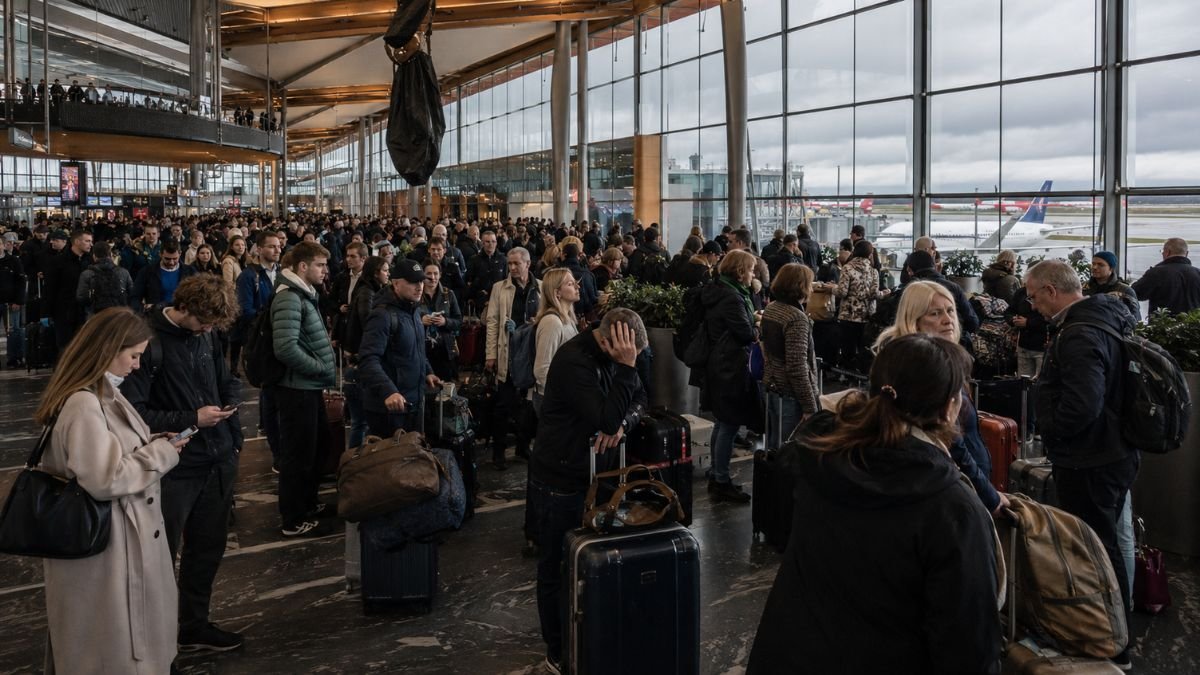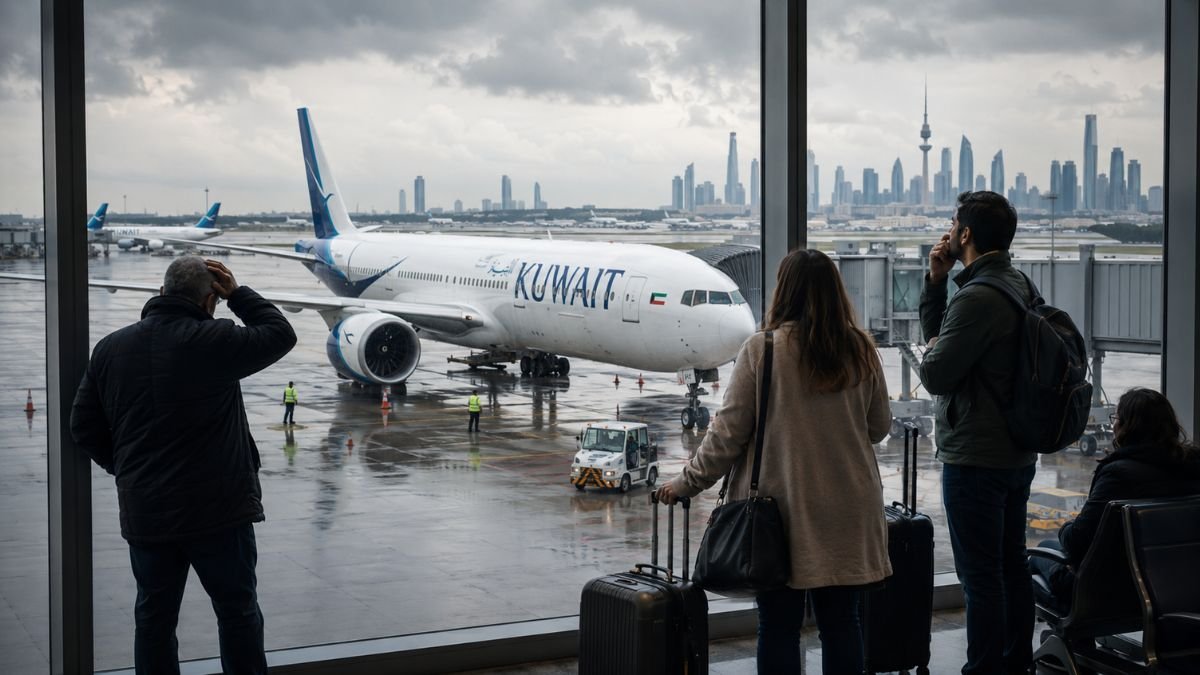
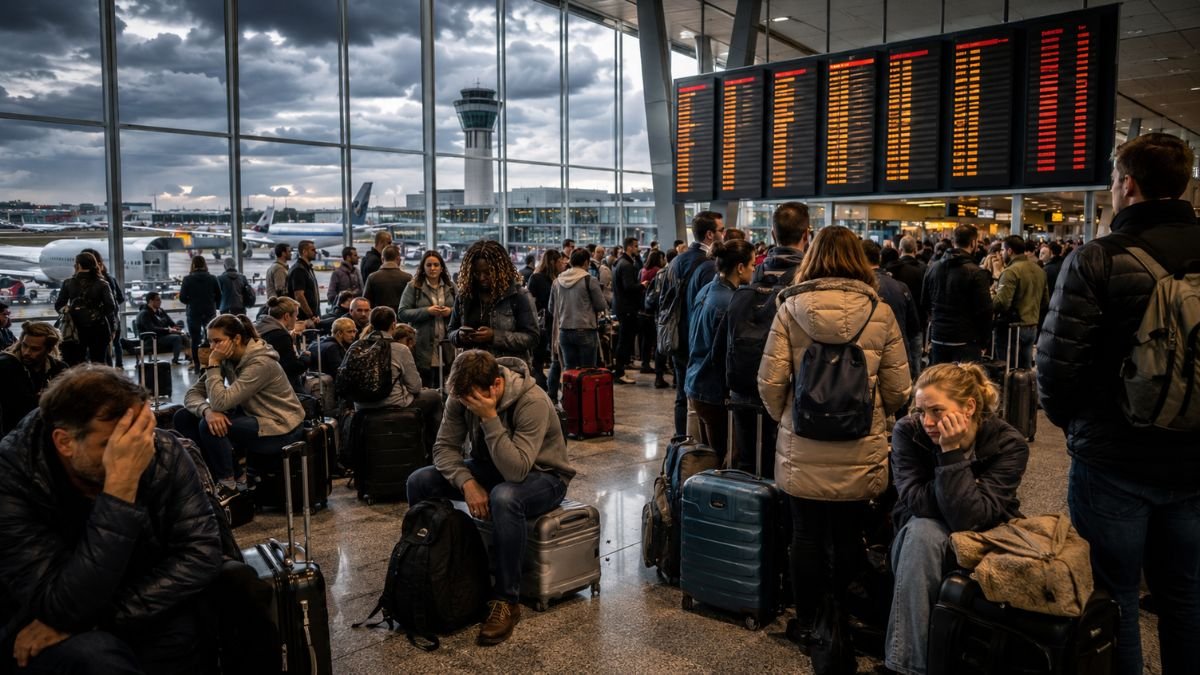
Harry Reid International Airport faced major air travel disruption after severe regional weather and unexpected operational issues triggered widespread delays and cancellations.
The airport recorded 182 delays and 4 cancellations, leaving many passengers frustrated as flight schedules became increasingly unstable throughout the day.
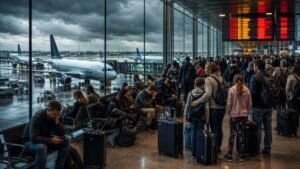
The disruption affected both domestic and international travelers, including passengers moving between the United States, United Kingdom, France, Mexico and Canada.
Major airlines including Southwest, Delta, American Airlines and several international carriers were caught in the disruption. As delays piled up, aircraft rotations, gate availability and crew schedules were all affected, creating a domino effect across the airport.
For passengers, the result was long waits, crowded terminals and uncertainty over departure and arrival times.
Southwest Airlines Faces Biggest Delay Impact
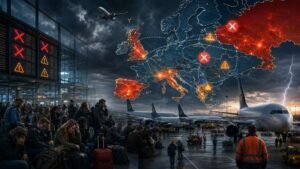
Southwest Airlines was among the hardest-hit carriers at Harry Reid International.
The airline recorded 88 delays, representing around 16% of its schedule, along with 1 cancellation. Because Southwest has a large presence in Las Vegas, its delays accounted for nearly half of the airport’s total disruptions.
When an airline with such a major share of airport traffic experiences delays, the impact spreads quickly. Late-arriving aircraft can delay later departures, while gate congestion can slow down boarding and turnaround times.
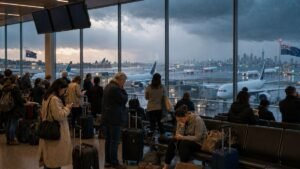
Passengers flying Southwest faced some of the longest waits as the airline worked to recover its schedule.
Delta And American Also Hit By Disruptions
Delta Air Lines also faced problems, recording 5 delays and 2 cancellations. While the number of delayed flights was lower than Southwest, the cancellations created additional pressure for passengers needing rebooking options.
American Airlines recorded 12 delays and 1 cancellation, adding to the pressure on domestic routes.
Together, these major carriers helped shape the day’s travel chaos at Harry Reid International. Although only 4 flights were canceled overall, the high number of delays meant thousands of passengers likely faced revised schedules, missed connections or extended waits inside the terminal.
International Routes See Heavy Delay Percentages
International carriers also experienced serious disruption, especially when measured by percentage of flights affected.
British Airways had a 100% delay rate, with all 4 of its scheduled flights running late. Air France recorded a 50% delay rate, while Air Canada Rouge and Mexico’s Volaris each saw 33% of their flights delayed.
These delays created added complications for travelers flying between Las Vegas and international destinations such as London, Paris, Mexico City and Canadian cities.
International delays can be especially stressful because passengers may face long-haul connections, immigration timing issues, hotel bookings and limited same-day rebooking options.
Inbound Flights Add To Airport Gridlock
Many problems began before flights even reached Las Vegas.
Inbound flights from San Francisco created some of the biggest trouble, with 5 delayed arrivals. Dallas-Fort Worth also saw 3 delays and 1 cancellation on routes heading to Harry Reid International.
Smaller regional airports also experienced severe problems. Flights from Stockton, Roberts Field and Tri-Cities all registered 100% inbound delay rates.
International inbound flights also faced pressure. London Heathrow and Mexico City saw major delays, while the single incoming Paris flight was also delayed.
This shows how disruptions at other airports quickly fed into Las Vegas operations.
Outbound Travelers Face Long Waits
Passengers trying to leave Las Vegas also dealt with major delays.
Hollywood Burbank recorded 7 delayed outbound flights, while Dallas Love Field had 6 delays, affecting more than half of its scheduled outbound capacity. San Diego and San Francisco each recorded 6 outbound delays.
Several smaller destinations saw every scheduled outbound flight delayed, including Fort Lauderdale, Reagan National, Birmingham, Buffalo and Provo.
The only outbound cancellation of the day was linked to John F. Kennedy International Airport, adding another layer of disruption for travelers heading to the East Coast.
What Affected Passengers Should Do
Passengers affected by delays or cancellations should check their airline’s mobile app before standing in long customer service lines. Airline apps often update gate changes, revised departure times and rebooking options faster than airport announcements.
Travelers should also keep an eye on their rights. For domestic delays, airlines must provide updated flight information, while canceled flights may allow passengers to rebook or request refunds depending on circumstances.
International travelers, especially those flying with British Airways or Air France, may have additional protections under UK261 or EU261 rules, depending on the cause and length of delay.
Passengers facing long waits should move to quieter areas when possible, charge devices, monitor airline updates and stay ready to board quickly if the schedule changes.
Conclusion
The air travel chaos at Harry Reid International caused major disruption, with 182 delays and 4 cancellations affecting Southwest, Delta, American Airlines and several international carriers.
Southwest faced the largest number of delays, while international airlines such as British Airways, Air France, Air Canada Rouge and Volaris saw high disruption percentages. Inbound and outbound routes across California, Texas, the UK, France, Mexico and Canada all felt the impact.
With weather and operational bottlenecks causing a chain reaction, passengers were left facing crowded terminals, long waits and uncertain schedules.
Travelers should continue checking airline apps, understand their rights and stay prepared for further changes.