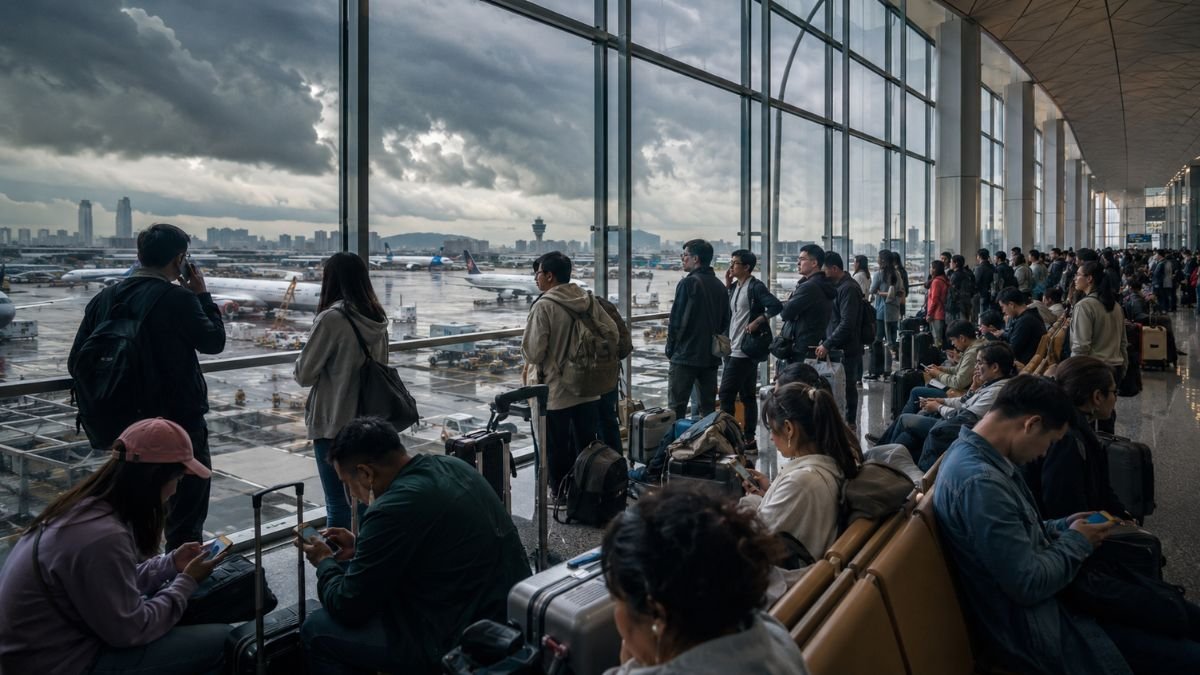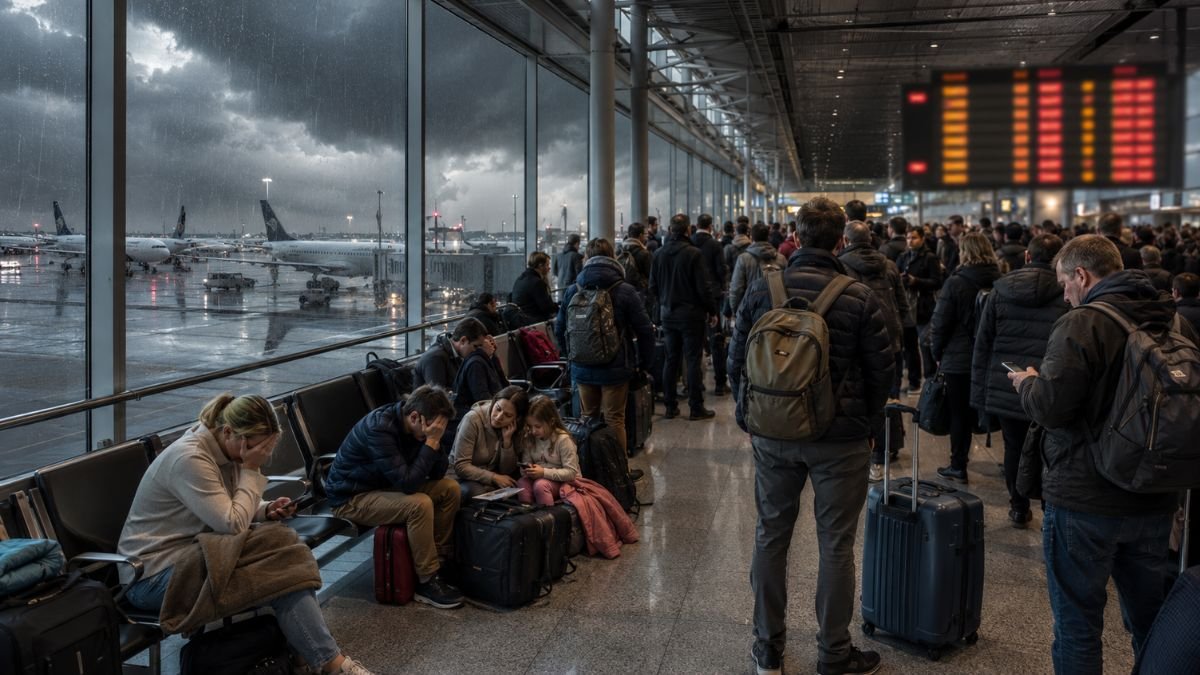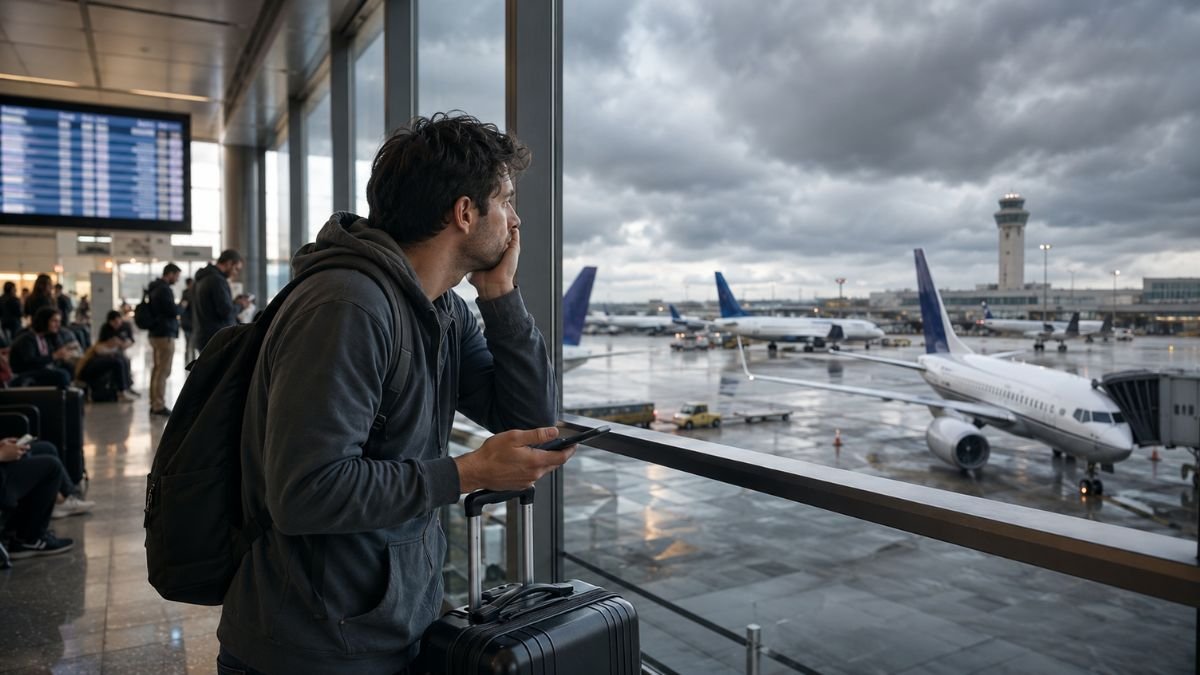
Air travel disruptions across several major routes have raised fresh concerns for passengers, airlines, and the global tourism industry.
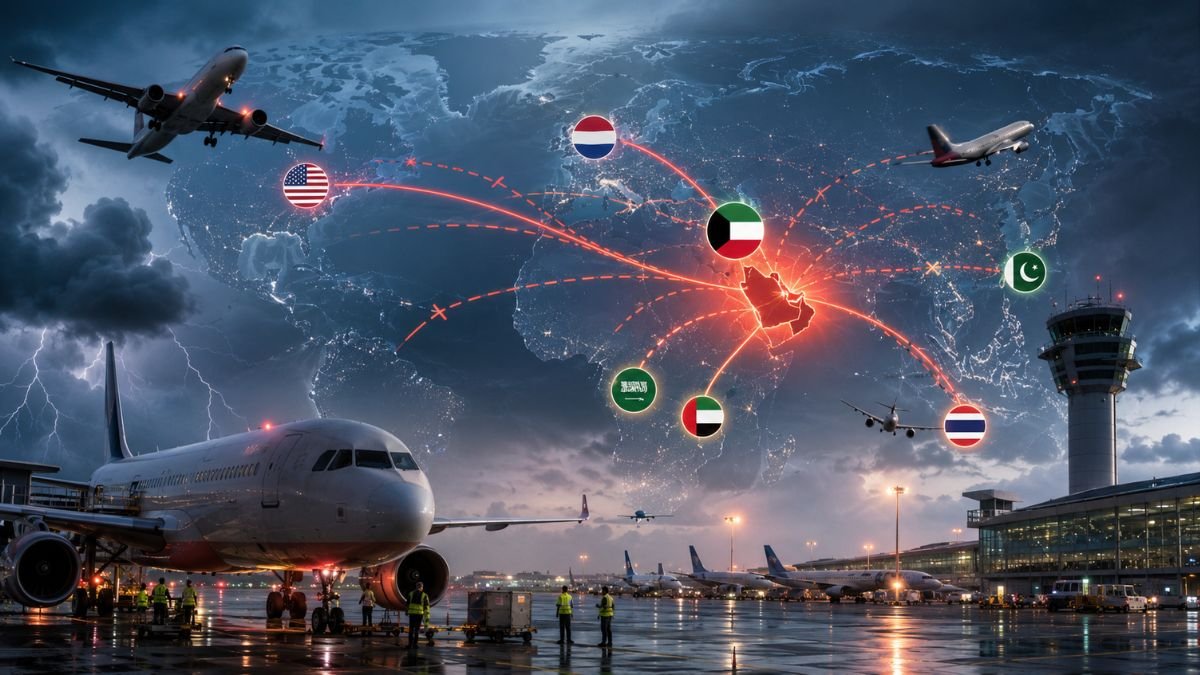
Kuwait has joined the United Arab Emirates, Saudi Arabia, the Netherlands, the United States, Thailand, and Pakistan in facing flight cancellations, delays, and schedule changes that are affecting important international travel corridors.

The disruptions involve major Middle Eastern carriers such as Kuwait Airways, Air Arabia, Saudia, and Flydubai.
These airlines connect key global hubs, including Amsterdam Schiphol Airport, John F. Kennedy International Airport, Dubai International Airport, Kuwait International Airport, Sharjah, Riyadh, Bangkok, Karachi, Lahore, Islamabad, Multan, and Peshawar.
While some disruptions may appear routine, their impact is much larger because these routes support millions of passengers every year.

They are vital for tourism, business travel, family visits, migrant workers, and transit passengers moving between Europe, Asia, the Middle East, and North America.
Why These Flight Disruptions Matter
The affected flight routes are not small or isolated connections. They are part of some of the busiest aviation networks in the world.
Kuwait Airways’ disrupted services between Kuwait and destinations such as Amsterdam, Bangkok, and New York show how long-haul routes can quickly affect international travel plans.

These flights are important for tourists, business passengers, students, and families living across different countries. When flights on such routes are delayed or cancelled, passengers may miss hotel bookings, business meetings, connecting flights, or planned holidays.
At the same time, Flydubai’s disruptions on routes between Dubai and Pakistani cities such as Karachi, Lahore, Islamabad, Multan, and Peshawar are also significant.
These routes are heavily used by workers, families, and frequent travellers. Even short disruptions can create passenger backlogs at airports and increase pressure on rebooking systems.
Middle East Aviation Hubs Face Operational Pressure
The Middle East plays a major role in global aviation. Airports in Dubai, Kuwait, Sharjah, Riyadh, and Jeddah serve as major connection points between continents. Because these hubs are highly connected, delays in one area can quickly spread across multiple routes.
Air Arabia’s schedule interruptions through Sharjah, including routes linked to Amman, Damascus, Jeddah, and Muscat, show that regional air travel is also under pressure. Saudia’s domestic disruption between Abha and Riyadh further suggests that the issue is not limited only to international flights.
When several airlines face interruptions at the same time, the problem can affect aircraft availability, crew schedules, airport operations, baggage handling, and onward connections. This is why even a small number of cancellations can create wider travel difficulties.
Impact on Tourism and Passengers
The timing of these disruptions is important because seasonal travel demand is rising. Popular destinations such as Bangkok, Amsterdam, Dubai, and New York are preparing for high passenger movement. Gulf countries also see strong travel demand from tourists, business travellers, and expatriate communities.
Flight delays and cancellations can directly affect the tourism economy. Travellers may delay trips, cancel bookings, or choose alternative routes.
Hotels, tour operators, airport transport services, and local businesses may also feel the impact when passengers change their plans.
For many travellers, uncertainty is the biggest problem. A delayed flight can lead to missed connections, extra hotel costs, longer airport waits, and stress. Families and workers travelling on fixed schedules may face even greater difficulties.
What Travellers Should Do Now
Passengers flying through Kuwait, Dubai, Sharjah, Riyadh, Amsterdam, Bangkok, New York, or Pakistan-linked routes should check their flight status before leaving for the airport. Airline apps, airport websites, and SMS alerts can provide the latest updates.
Travellers with connecting flights should allow longer layover times where possible. Those booking new trips may want to choose flexible tickets or travel insurance that covers cancellations and delays.
Passengers should also keep boarding passes, booking confirmations, hotel receipts, and transport receipts. These documents may be useful for refund, rebooking, or compensation requests depending on airline policy and route rules.
Conclusion
The latest flight disruptions involving Kuwait, the UAE, Saudi Arabia, the Netherlands, the United States, Thailand, and Pakistan show how connected and sensitive global aviation networks have become.
Disruptions affecting Kuwait Airways, Flydubai, Air Arabia, and Saudia are not only airline issues; they also affect tourism, business travel, family movement, and airport operations.
For passengers, the most important step is to stay alert, check updates regularly, and remain flexible with travel plans.
For the aviation industry, this moment highlights the need for stronger reliability, better communication, and more resilient global travel systems.