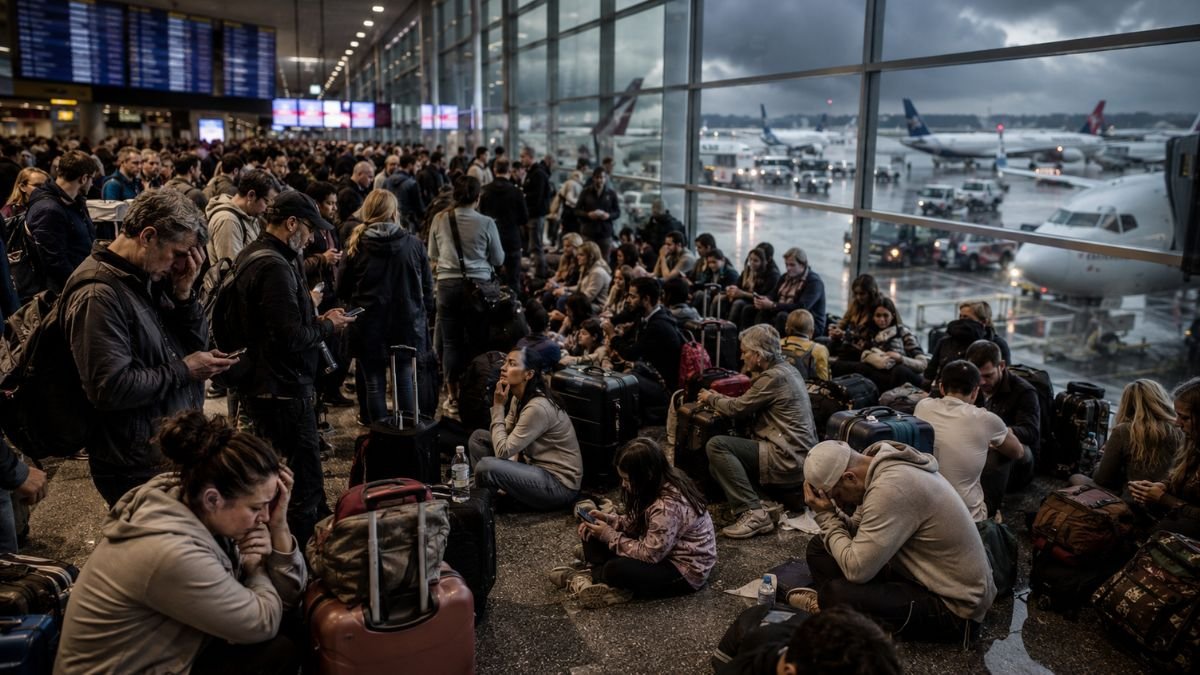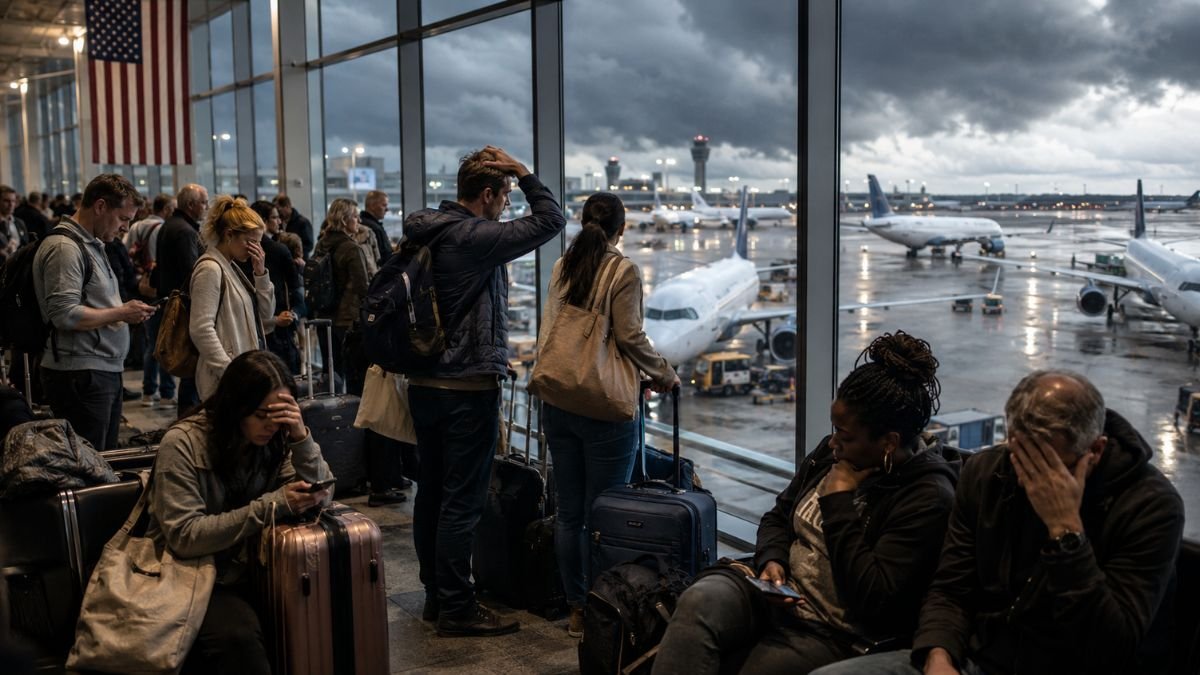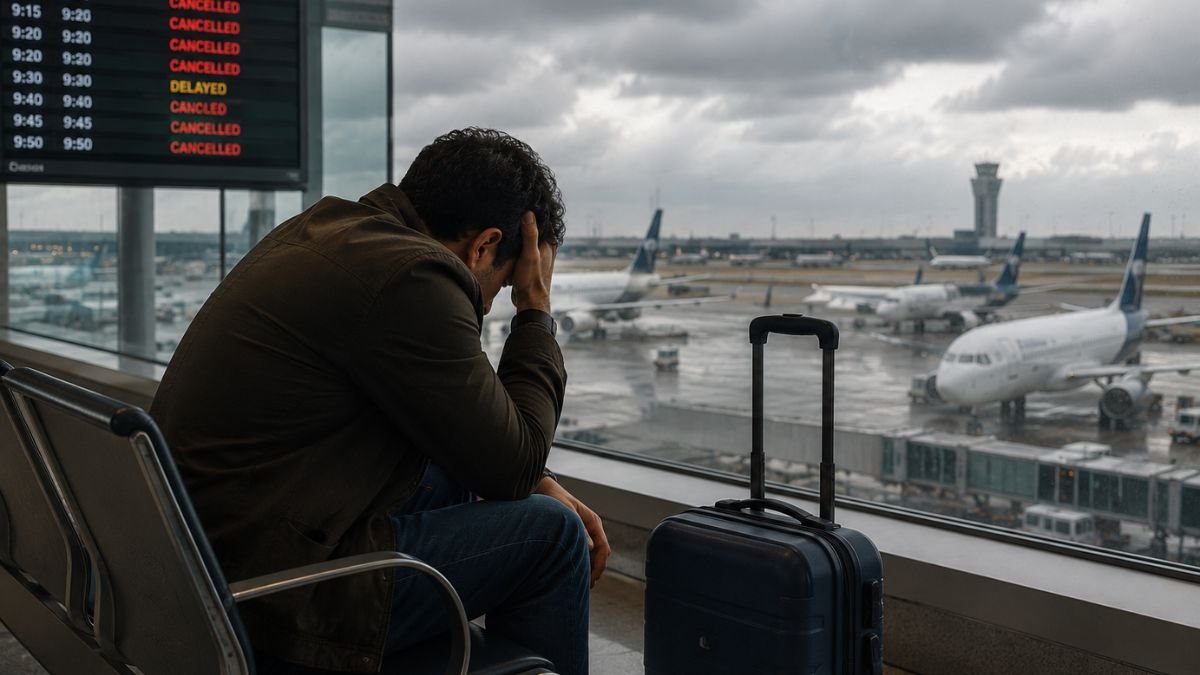
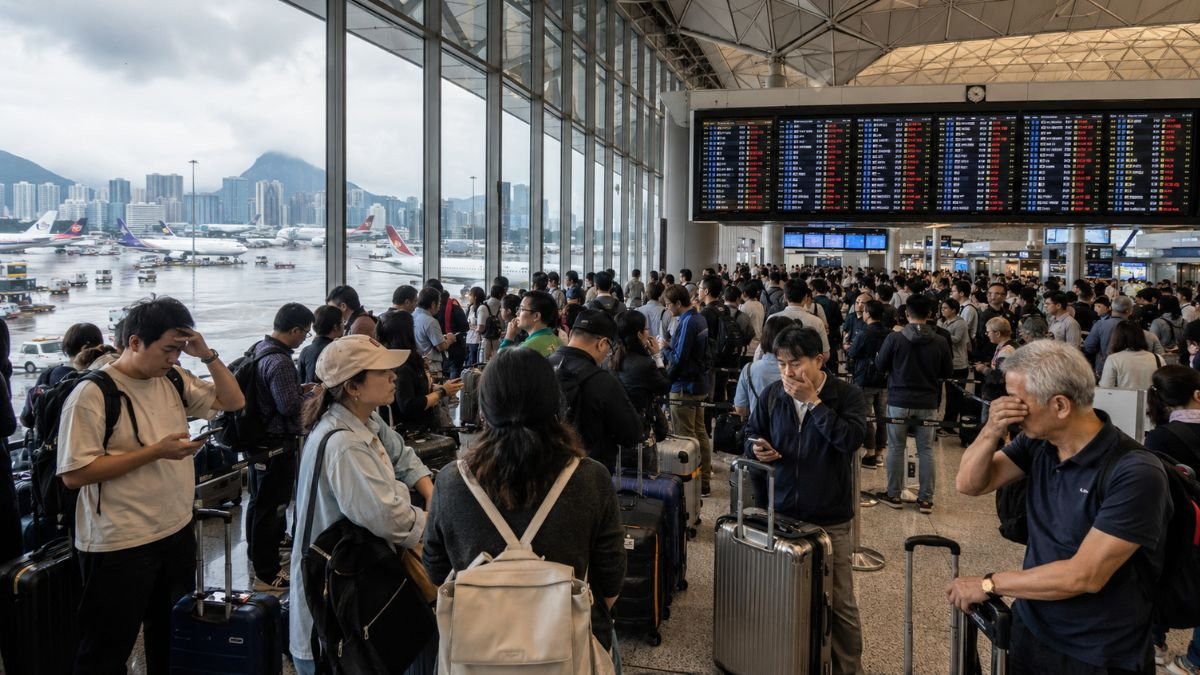
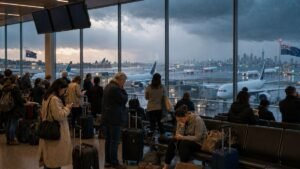
Thousands of passengers across Asia faced major travel disruption as airports in Thailand, Japan, Hong Kong, Malaysia, the Philippines, China and Indonesia recorded 133 flight cancellations and 2,552 delays.
The disruption affected some of the region’s busiest travel hubs, including Tokyo, Bangkok, Kuala Lumpur, Jakarta, Shanghai, Beijing, Manila, Hong Kong and Guangzhou.

Several major airlines were impacted, including Thai Airways, AirAsia, All Nippon Airways, Air China, China Eastern, Japan Airlines, Cathay Pacific, Cebu Pacific Air, Malindo Air and Batik Air.
The widespread delays created long airport waits, missed connections and rebooking pressure for travellers moving across Asia’s tightly connected aviation network.
Airports With The Worst Delays
Guangzhou Baiyun International Airport recorded the highest number of delays, with 260 flights affected and six cancellations.

The airport became one of the biggest pressure points in the regional disruption, with China Eastern and Air China among the major carriers affected.
Jakarta-Soekarno-Hatta International Airport reported 222 delays and 25 cancellations, making it the airport with the highest cancellation count. Batik Air faced the largest disruption at Jakarta, followed by Garuda Indonesia and Citilink.
Kuala Lumpur International Airport also experienced severe disruption, with 206 delays and 15 cancellations. AirAsia, Malindo Air and Malaysia Airlines were among the most affected carriers at the Malaysian hub.
Shanghai Pudong International Airport recorded 205 delays and nine cancellations, while Bangkok’s Suvarnabhumi Airport saw 204 delays and one cancellation.
Tokyo Haneda reported 196 delays and five cancellations, affecting several domestic and international routes.
Beijing, Manila And Hong Kong Also Affected
China’s capital saw disruption across two major airports. Beijing Capital International Airport recorded 190 delays and 10 cancellations, while Beijing Daxing International Airport reported 158 delays and 13 cancellations. Air China and China Eastern accounted for much of the disruption at both airports.
Manila International Airport reported 142 delays and one cancellation, with Cebu Pacific Air and PAL Express among the carriers facing the most operational strain.
Hong Kong International Airport recorded 122 delays and one cancellation. Cathay Pacific experienced the largest impact at the airport, while other regional and international airlines also faced schedule changes.
Airlines Facing The Biggest Disruption
China Eastern recorded the highest number of airline delays, with 344 delayed flights and 36 cancellations. Air China registered 204 delays and 54 cancellations, making it the carrier with the highest cancellation count in the reported data.
All Nippon Airways saw 71 delays and one cancellation, mainly connected to Tokyo Haneda operations. Thai Airways recorded 70 delays, with disruptions focused around Bangkok and Hong Kong.
Japan Airlines faced 65 delays, while AirAsia recorded 64 delays and 20 cancellations across Malaysia and other Southeast Asian routes. Cebu Pacific Air reported 59 delayed flights, mainly affecting Manila and Hong Kong operations.
Cathay Pacific saw 55 delays and one cancellation, while Malindo Air recorded 53 delays. Batik Air faced 50 delays and 14 cancellations, most heavily linked to Jakarta operations.
Why Flights Are Being Delayed Across Asia
The disruptions appear to be connected to wider operational challenges across several major airports. These can include aircraft availability, crew scheduling, airport congestion, air traffic flow restrictions and knock-on delays from earlier disrupted flights.
Because Asia’s aviation network is highly interconnected, delays at one major hub can quickly spread to other cities and carriers. A late aircraft arrival in Bangkok, Tokyo or Kuala Lumpur can affect multiple later flights across the region.
What Passengers Should Do
Passengers affected by cancellations or long delays should check flight status regularly through airline apps, airport websites and official flight information boards. Travellers should also contact airlines directly for rebooking, refund or alternative flight options.
It is also important to keep booking confirmations, receipts and official disruption notices, especially for insurance claims related to missed hotels, tours or onward transport.
Conclusion
The 133 cancellations and 2,552 delays across Asia show how quickly airport disruption can spread across major regional routes.
With China, Japan, Thailand, Malaysia, Indonesia, the Philippines and Hong Kong all affected, passengers are being urged to stay flexible, monitor real-time updates and prepare backup travel plans before heading to the airport.