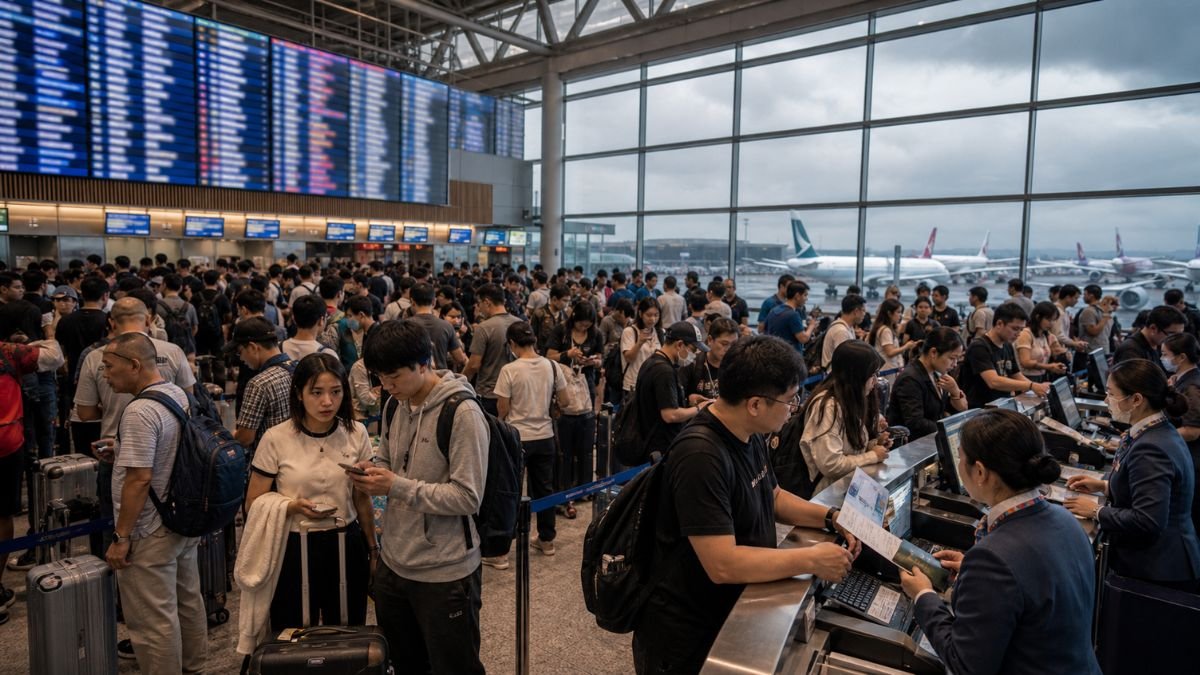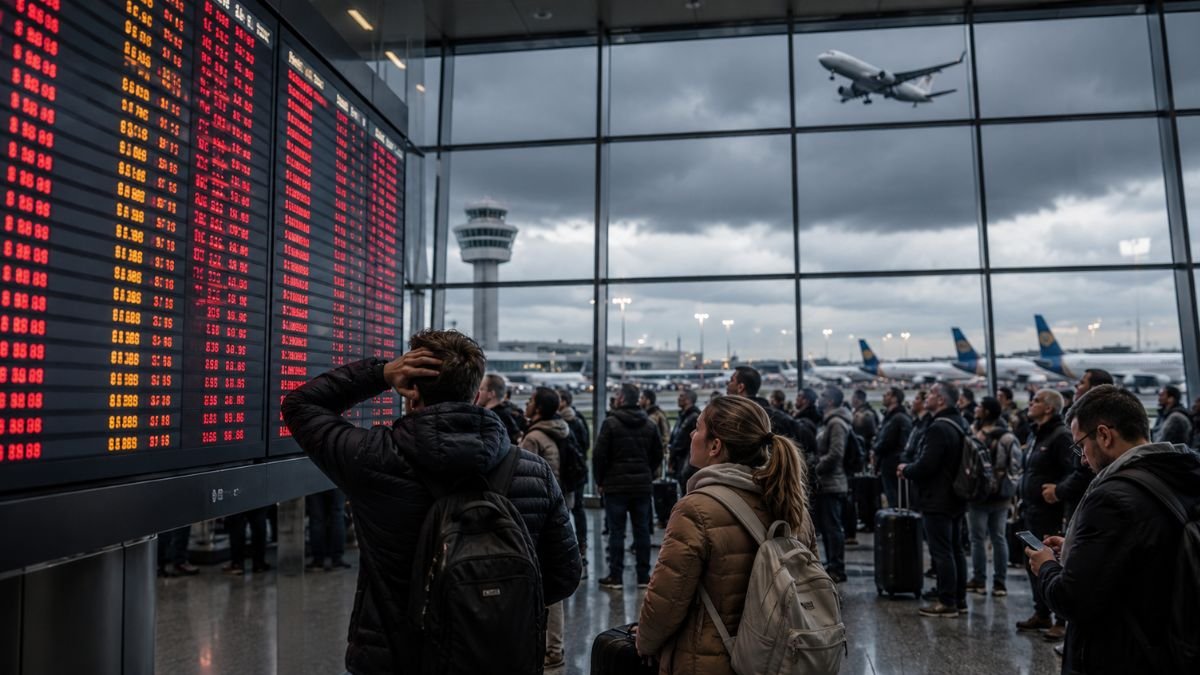
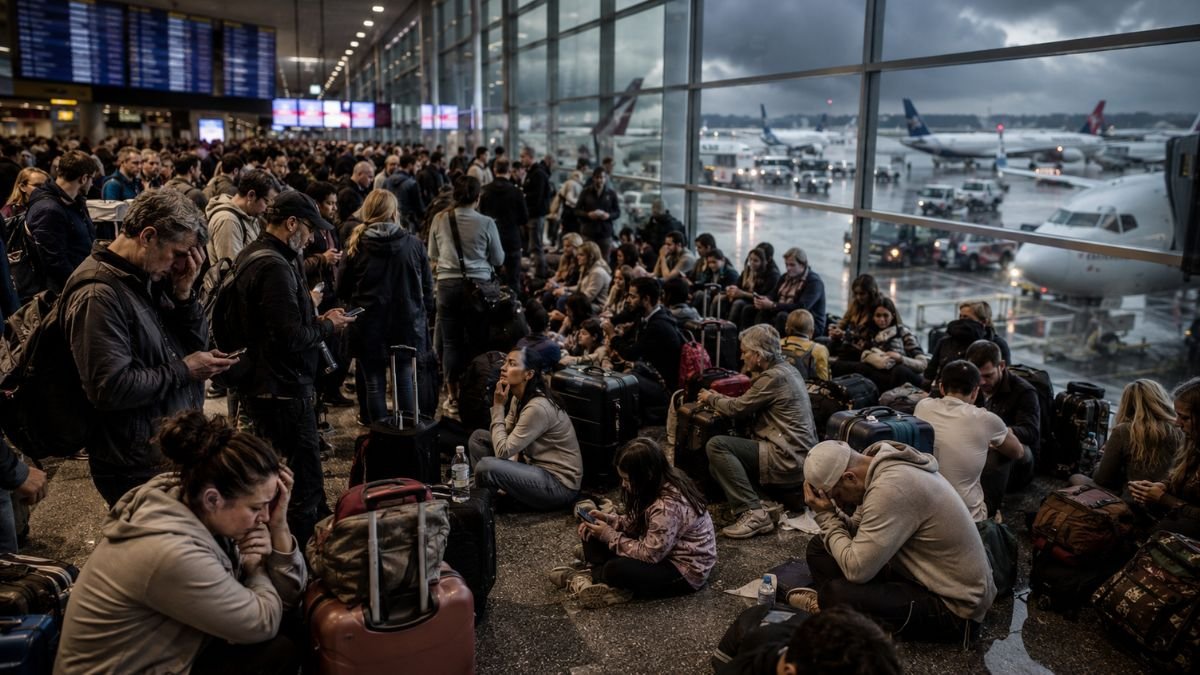
Severe weather and growing operational pressure have caused widespread disruption across major aviation networks, with 555 flights cancelled and another 5,976 delayed.
Heavy rainfall, poor visibility and unstable atmospheric conditions have reduced airport capacity while forcing airlines to repeatedly adjust departure and arrival schedules.
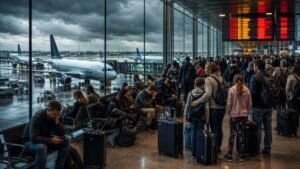
Major carriers, including China Eastern Airlines, China Southern Airlines, Air China, Citilink, Qatar Airways and Tibet Airlines, are among those experiencing significant disruption.
The problems have affected important travel hubs across China, Indonesia, India, Thailand, Hong Kong and the United Arab Emirates, leaving passengers facing missed connections and extended waiting times.
Severe Weather Disrupts Airport Operations
Persistent rainfall across southern China has emerged as one of the main drivers of the aviation crisis.
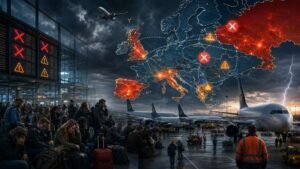
Weather-related safety restrictions have slowed aircraft movements, while congestion has created further delays throughout the region. Because international and domestic flight networks are closely connected, disruption at one major airport can quickly affect services at several other destinations.
Airlines have been forced to hold aircraft, change routes and rearrange crew schedules as they work to maintain safe operations.
Chinese Airports Face Heavy Pressure
China has recorded some of the highest disruption totals.
Shenzhen Bao’an International Airport reported 691 delays, making it one of the most heavily affected hubs. Guangzhou Baiyun International Airport recorded 470 delays and 35 cancellations, while Beijing Capital International Airport reported 396 delays and 58 cancelled services.
Both major airports serving Beijing experienced widespread problems, with combined delays exceeding 800.
Shanghai’s aviation network was also significantly disrupted. Shanghai Pudong International Airport reported 244 delays and 12 cancellations, while Shanghai Hongqiao International Airport recorded 184 delays and 16 cancelled flights.
Other hubs, including Chengdu, Kunming, Xi’an, Chongqing, Hangzhou and Nanjing, also faced persistent schedule changes.
Disruption Spreads Across Regional Hubs
The operational impact extended beyond mainland China.
Hong Kong International Airport reported 306 delays and four cancellations, while Bangkok Suvarnabhumi Airport recorded 194 delays and four cancelled flights.
Indonesia’s Soekarno-Hatta International Airport experienced 158 delays and 28 cancellations. Delhi’s Indira Gandhi International Airport also reported 211 delays and five cancellations.
Dubai and other Gulf transit hubs faced schedule pressure as delayed aircraft and passengers arrived from disrupted Asian airports.
Major Airlines Report Extensive Delays
Chinese carriers recorded some of the highest totals.
China Eastern Airlines experienced 93 cancellations and 408 delays, while Air China reported 74 cancellations and 334 delays. China Southern Airlines recorded 531 delays, the highest delay figure among the listed carriers, alongside 17 cancellations.
Regional airlines such as AirAsia, Batik Air, Lion Air, Citilink and SpiceJet were also affected.
International operators, including Emirates, Qatar Airways, Cathay Pacific, Air India and All Nippon Airways, faced delays because of their dependence on major regional connections.
What Affected Passengers Should Do
Travellers are being advised to monitor airline apps and airport departure boards before beginning their journeys.
Passengers should reconfirm connecting flights, allow extra travel time and review their airline’s rebooking and refund policies. Those with flexible plans may also consider delaying non-essential travel until operations become more stable.
Limited seat availability could make immediate rebooking difficult, particularly on heavily travelled international routes.
Conclusion
The 555 cancellations and 5,976 delays demonstrate how severe weather can rapidly destabilise interconnected aviation networks.
With heavy rainfall continuing to affect airport capacity, further disruption remains possible. Passengers should remain alert for schedule changes and contact their airlines directly before travelling to the airport.