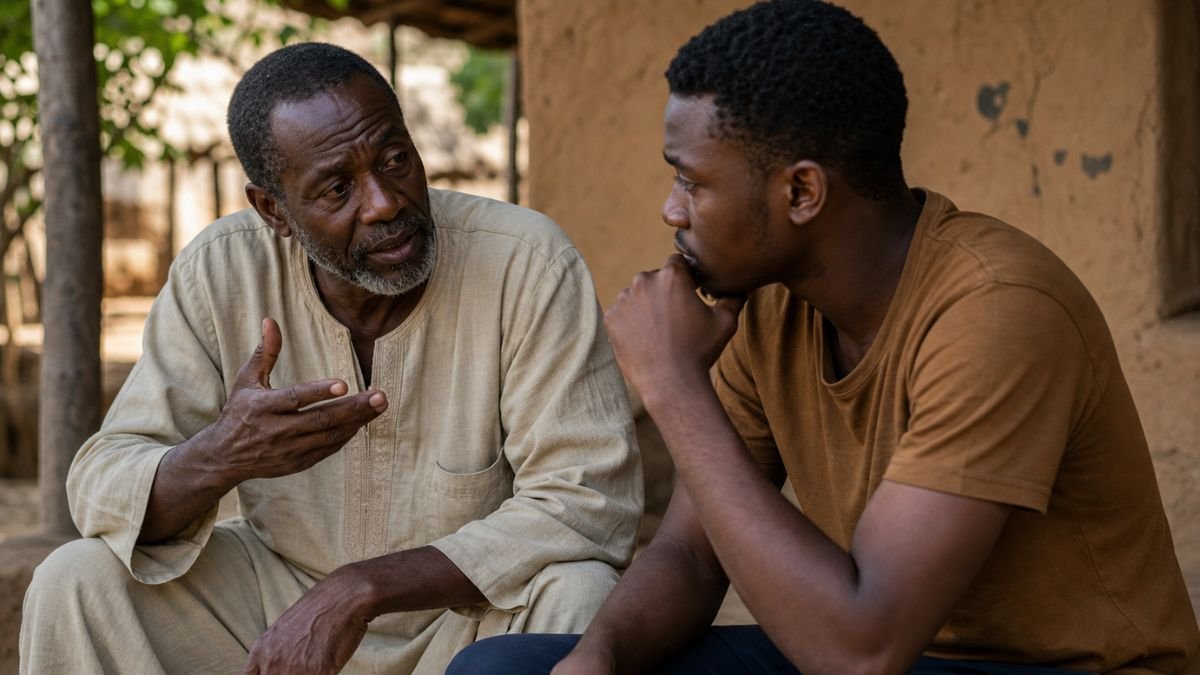

The Chinese proverb, “An 18-year-old girl changes eighteen times; the more she changes, the more beautiful she becomes,” offers an optimistic lesson about youth, identity and personal development.
Although the saying appears to focus on a young woman’s appearance, its deeper meaning reaches far beyond physical beauty.

It recognises that young people often change their ambitions, opinions, interests and personalities as they discover who they are.
Rather than presenting uncertainty as a weakness, the proverb celebrates change as a natural part of growing into adulthood.
The Number Eighteen Represents Constant Growth
The proverb is not suggesting that someone changes exactly eighteen times. The number symbolises repeated transformation during an important stage of life.

At 18, few people have every detail of their future decided. Some may feel confident about their careers, relationships or beliefs, only to reconsider those choices after gaining new experiences.
Plans change, friendships evolve and unexpected opportunities create new directions. What once seemed like a permanent dream may eventually feel unsuitable.
The proverb reminds us that these changes are not necessarily signs of confusion. They may show that a young person is learning, adapting and developing a clearer understanding of themselves.
Growing Up Rarely Follows a Straight Path

Adulthood can appear organised when people describe it years later. In reality, personal growth is usually filled with mistakes, uncertainty and experimentation.
A young person might begin studying one subject before discovering a different passion. They may leave behind friendships that no longer feel supportive or develop confidence after overcoming a difficult experience.
Each decision adds another layer to their identity.
The journey can feel uncomfortable while it is happening because people rarely notice growth immediately. However, when they look back, they may recognise how every challenge, disappointment and change helped shape their character.
Beauty Can Mean More Than Appearance
The word “beautiful” gives the proverb its most memorable message.
While it may partly refer to physical maturity, beauty can also describe confidence, kindness, wisdom and emotional strength. Someone who becomes comfortable expressing their true personality may appear more attractive because they seem happier and more assured.
A person’s features may remain similar, but their presence can change dramatically. Experience can soften insecurity, strengthen resilience and create greater self-awareness.
From this perspective, the proverb suggests that personal transformation allows inner beauty to become more visible.
Every Generation Experiences Reinvention
Technology, fashion and social expectations continue to change, but the experience of being young remains familiar across generations.
Parents frequently watch teenagers adopt new interests and question beliefs they previously accepted. Teachers see students become noticeably more mature within a single year.
What appears inconsistent from the outside may simply be someone testing possibilities and deciding which values genuinely belong to them.
The proverb encourages older generations to view this process with patience rather than criticism. Young people are not finished products. They need space to explore, make mistakes and change direction.
Change Should Not Be Treated as Failure
Society often rewards people who appear certain and consistent. However, remaining committed to an unsuitable path simply to avoid changing can prevent meaningful growth.
Reconsidering a choice may demonstrate courage rather than weakness. New information can lead to better decisions, while mistakes can reveal lessons that success never teaches.
The ability to adapt helps people become more resilient when life does not follow their original plans.
This Chinese proverb presents change as a valuable and beautiful part of becoming an adult.
Its message is simple: people grow through experimentation, uncertainty and experience. Every transformation can bring greater confidence, wisdom and self-understanding.
Instead of fearing change, the proverb encourages us to recognise it as evidence that a person is still learning, developing and becoming more fully themselves.