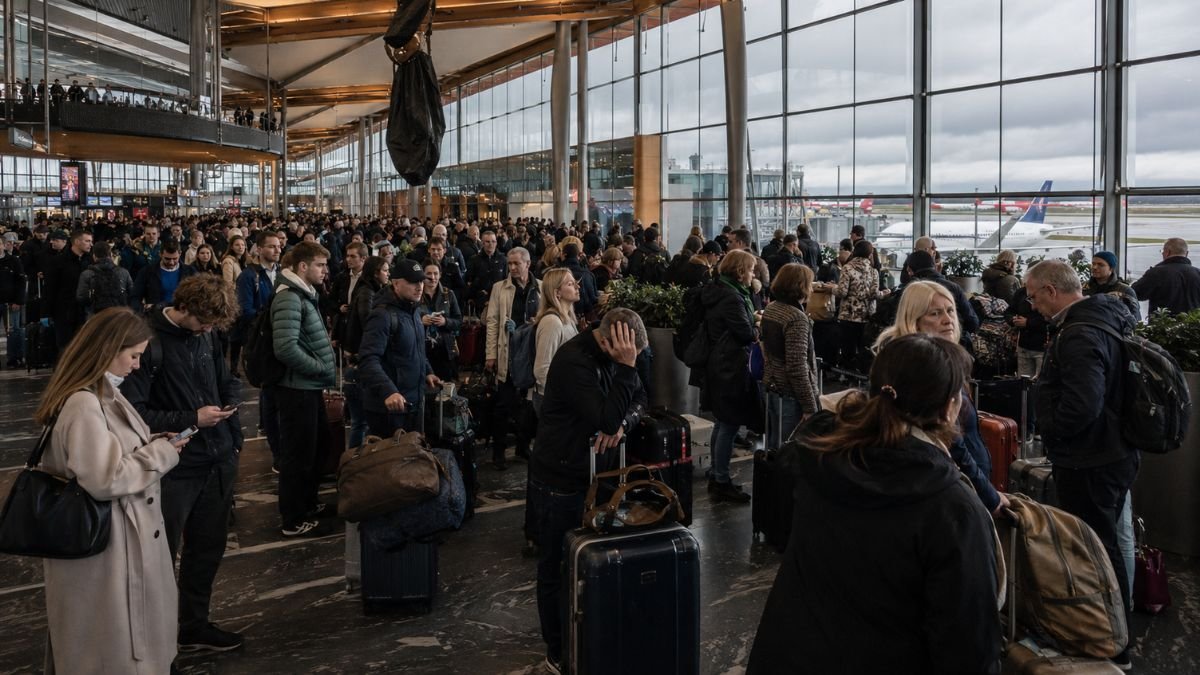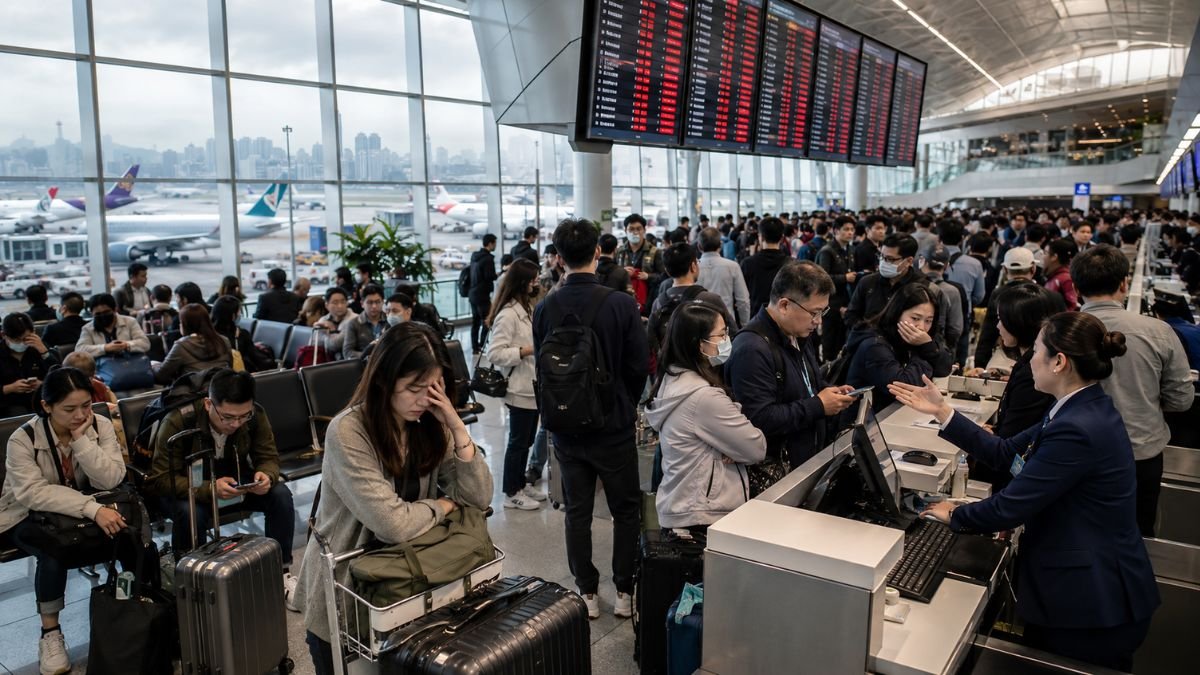
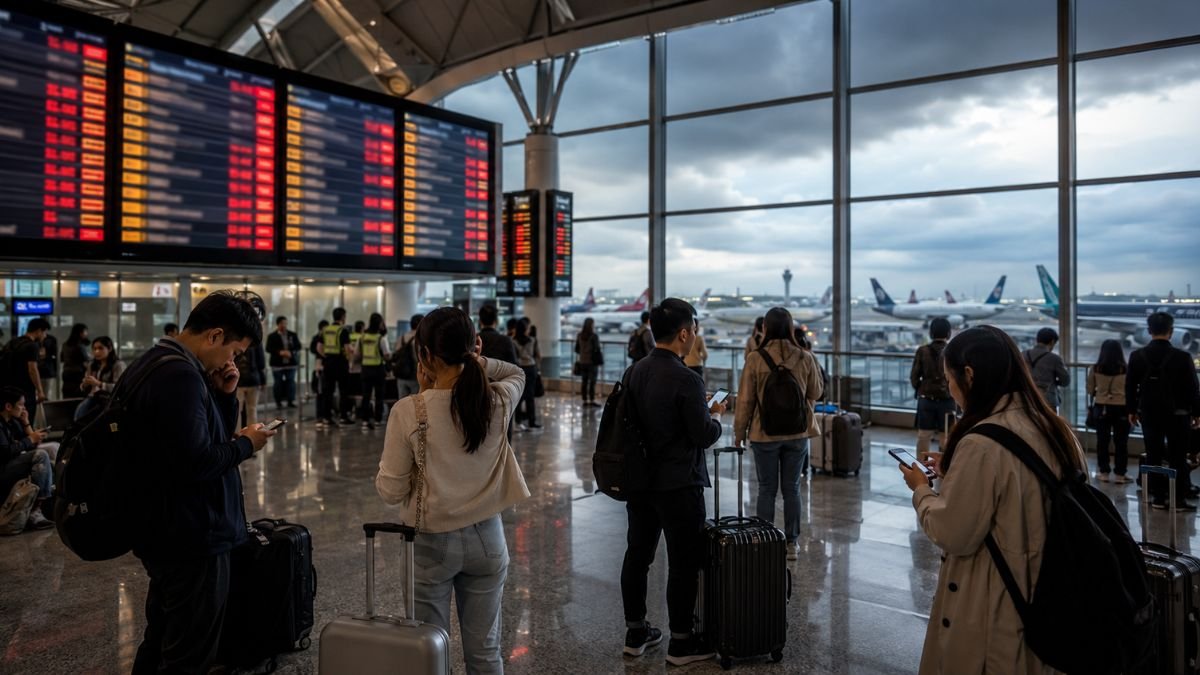
Thousands of passengers faced travel disruption across Asia as airlines reported 4,743 delays and 251 cancellations across major aviation markets.
The affected countries included China, India, Japan, Hong Kong, Singapore, Malaysia, Indonesia, Saudi Arabia and Türkiye.
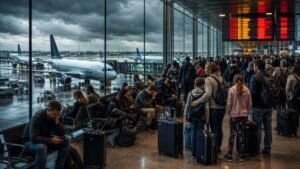
The disruption hit several of the region’s busiest airports, creating problems for passengers flying through Delhi, Beijing, Guangzhou, Tokyo, Shenzhen, Shanghai, Kuala Lumpur, Jakarta, Mumbai, Hong Kong, Singapore, Jeddah and Istanbul.
Major airlines affected included China Eastern, IndiGo, Air China, All Nippon Airways, Air India, Japan Airlines, Cathay Pacific, Singapore Airlines, AirAsia, Scoot, Turkish Airlines, Malaysia Airlines, Pegasus Airlines, Saudia, Lion Air and Garuda Indonesia.
Delhi Records Highest Number Of Delays
Delhi’s Indira Gandhi International Airport recorded the highest number of reported delays, with 502 delays and 10 cancellations. Indian carriers including IndiGo, Air India, Air India Express, SpiceJet and Akasa Air were among those affected.

Mumbai’s Chhatrapati Shivaji Maharaj International Airport also faced disruption, reporting 151 delays and 8 cancellations.
The delays created problems for domestic and international passengers moving through India’s busiest routes.
China Airports Face Heavy Disruption
Mainland China also saw widespread operational problems. Beijing Daxing International Airport reported 348 delays and 17 cancellations, while Guangzhou Baiyun International Airport recorded 333 delays and 13 cancellations.
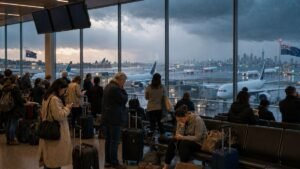
Beijing Capital International Airport added 319 delays and 14 cancellations, and Shenzhen Bao’an International Airport reported 307 delays and 16 cancellations.
Other affected Chinese airports included Hangzhou, Shanghai Pudong, Shanghai Hongqiao, Chongqing, Xi’an, Xiamen, Wuhan, Chengdu, Nanjing, Jinan, Zhengzhou, Tianjin, Lanzhou and Qingdao.
China Eastern was the most disrupted airline in the reported data, with 354 delays and 54 cancellations. Air China also saw major disruption, with 278 delays and 22 cancellations.
Japan, Malaysia And Indonesia Also Hit
Japan’s Tokyo Haneda Airport reported 322 delays and 4 cancellations, affecting All Nippon Airways, Japan Airlines, Air Do, ANA Wings and other carriers. Narita International Airport also reported 86 delays and 1 cancellation.
Kuala Lumpur International Airport recorded 196 delays and 2 cancellations, with Malindo Air, AirAsia, Malaysia Airlines and Firefly among the affected airlines.
Jakarta Soekarno-Hatta International Airport reported 131 delays and 22 cancellations, the highest cancellation count among the reviewed airports. Batik Air, Citilink, Lion Air, Garuda Indonesia and TransNusa were among the carriers facing problems.
Hong Kong, Singapore, Türkiye And Saudi Arabia Affected
Hong Kong International Airport recorded 121 delays and 1 cancellation, affecting carriers including Cathay Pacific. Singapore Changi Airport reported 151 delays and 1 cancellation, impacting Singapore Airlines, Scoot and other operators.
Istanbul Sabiha Gokcen International Airport recorded 96 delays and 2 cancellations, with Pegasus Airlines among the affected carriers. Saudi Arabia’s King Abdulaziz International Airport in Jeddah also reported 83 delays and 4 cancellations.
What Passengers Should Do
Travelers affected by delays or cancellations should check airline alerts before leaving for the airport. Passengers should also confirm flight status through official airline and airport channels, allow extra time for check-in and security, and review rebooking or refund policies.
Those facing long disruptions should keep receipts for eligible expenses and contact airline customer service as soon as possible.
Conclusion
Asia’s latest flight disruption created major travel problems across some of the world’s busiest airports. With 4,743 delays and 251 cancellations reported, passengers flying through Delhi, Beijing, Tokyo, Kuala Lumpur, Jakarta, Singapore, Hong Kong, Mumbai, Jeddah and Istanbul were among the most affected.
Travelers should continue monitoring real-time flight updates and remain flexible as schedules change.