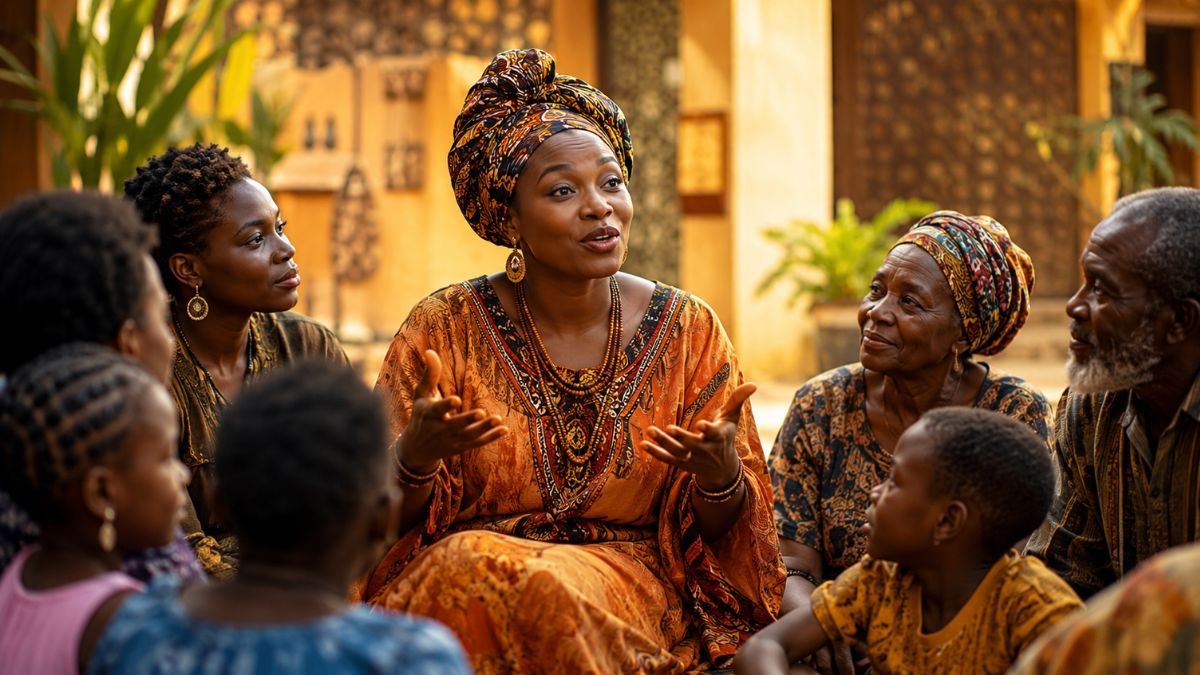

People often turn to proverbs when life feels complicated. In moments of confusion or pressure, a simple sentence can bring surprising clarity. Proverbs do not try to explain everything in detail. Instead, they capture truths that feel familiar, almost as if we already knew them but needed a reminder. That is why they continue to guide people through everyday decisions and difficult situations.
Why Do People Read Proverbs
There is a quiet comfort in reading proverbs. These are ideas that have stood the test of time, passed from one generation to another. They remind us that the challenges we face today are not entirely new. Others have faced similar choices, struggled with similar doubts, and found meaning in their experiences.

Proverbs do not force answers or create pressure. They simply offer a gentle way to reflect. In doing so, they help people slow down and think more clearly. This is what keeps them relevant even today—not as strict rules, but as thoughtful insights.
Chinese Proverb of the Day Translated into English
Today’s proverb is: “鱼与熊掌不可兼得” (Yú yǔ xióng zhǎng bù kě jiān dé)
It translates to:
“You cannot have both fish and bear’s paw.”
Understanding the Meaning of Choice and Sacrifice

This proverb expresses a simple but important truth: sometimes, we must choose between two equally valuable things. In ancient China, both fish and bear’s paw were considered rare and desirable foods. Having both at the same time was seen as impossible, which made them a perfect symbol for difficult choices.
In life, situations like this appear often. People want the benefits of two different paths, but reality does not always allow it. Choosing one option usually means letting go of another.
How Life Choices Shape Our Path
Every decision we make carries some level of trade-off. Whether it is choosing between career growth and personal time, financial security and passion, or comfort and risk, each path leads in a different direction.
At times, people struggle because they try to hold on to everything. This can lead to confusion and dissatisfaction. The proverb reminds us that clarity comes from accepting that not everything can be achieved at once.
Learning the Value of Priorities
This proverb encourages individuals to think about their priorities more carefully. When faced with multiple opportunities, it becomes important to ask:
What truly matters right now?
What will have a lasting impact?
By answering these questions, decision-making becomes more meaningful and less stressful. Instead of feeling like a loss, choosing one path can feel like a step toward something valuable.
How This Proverb Encourages Thoughtful Decisions
Rather than rushing into decisions, this proverb suggests taking a moment to reflect. It reminds people that choices should not be made only based on immediate desire, but also on long-term value.
It also highlights the importance of awareness. Understanding that trade-offs are natural helps reduce regret. When people accept that every gain comes with some sacrifice, they can move forward with greater confidence.
Applying This Lesson in Today’s Fast-Paced World
In today’s world, where options are endless and expectations are high, this message feels especially relevant. People often feel pressured to achieve everything at once—success, balance, happiness, and stability.
However, trying to do everything can lead to burnout. This proverb gently reminds us to slow down and focus. It is not about having everything, but about choosing wisely.
By accepting limits and making thoughtful decisions, individuals can create a more balanced and meaningful life.
Inspiring Chinese Proverbs
Here are a few more meaningful Chinese proverbs:
“百闻不如一见” (Bǎi wén bù rú yī jiàn)
Seeing something once is better than hearing about it many times.
“塞翁失马,焉知非福” (Sài wēng shī mǎ, yān zhī fēi fú)
A loss may turn out to be a blessing.
“滴水穿石” (Dī shuǐ chuān shí)
Dripping water can wear through stone.
“授人以鱼,不如授人以渔” (Shòu rén yǐ yú, bù rú shòu rén yǐ yú)
Teaching someone a skill is better than giving them temporary help.
“路遥知马力,日久见人心” (Lù yáo zhī mǎ lì, rì jiǔ jiàn rén xīn)
Distance tests a horse’s strength; time reveals a person’s true character.