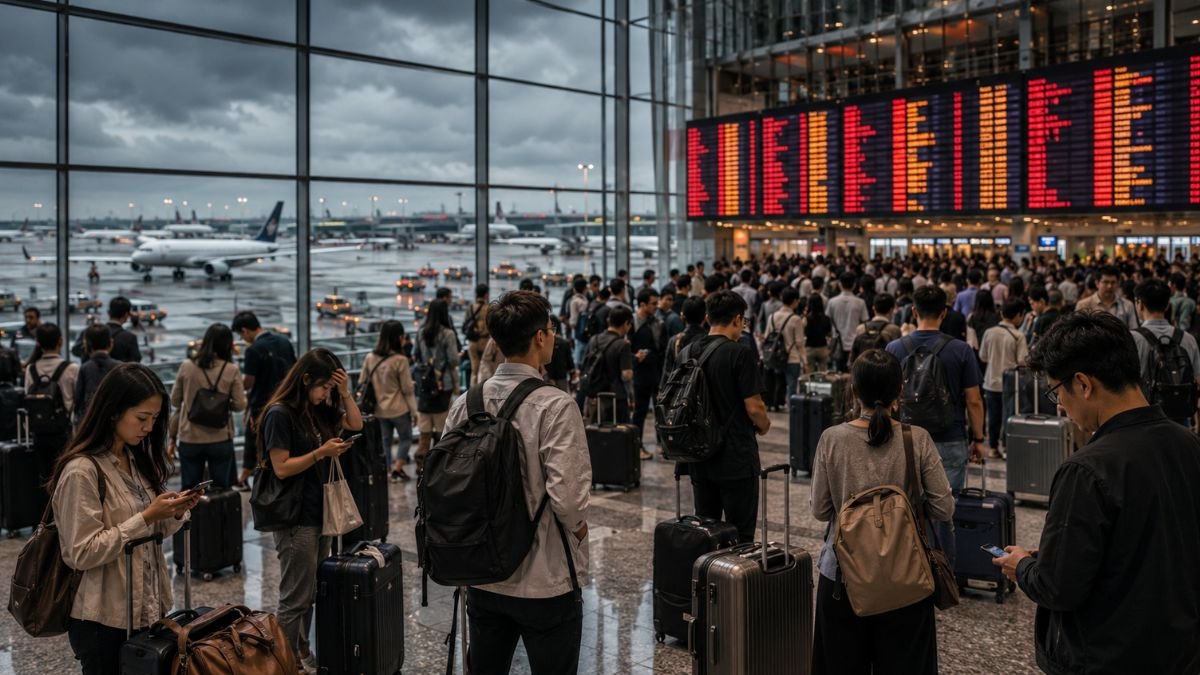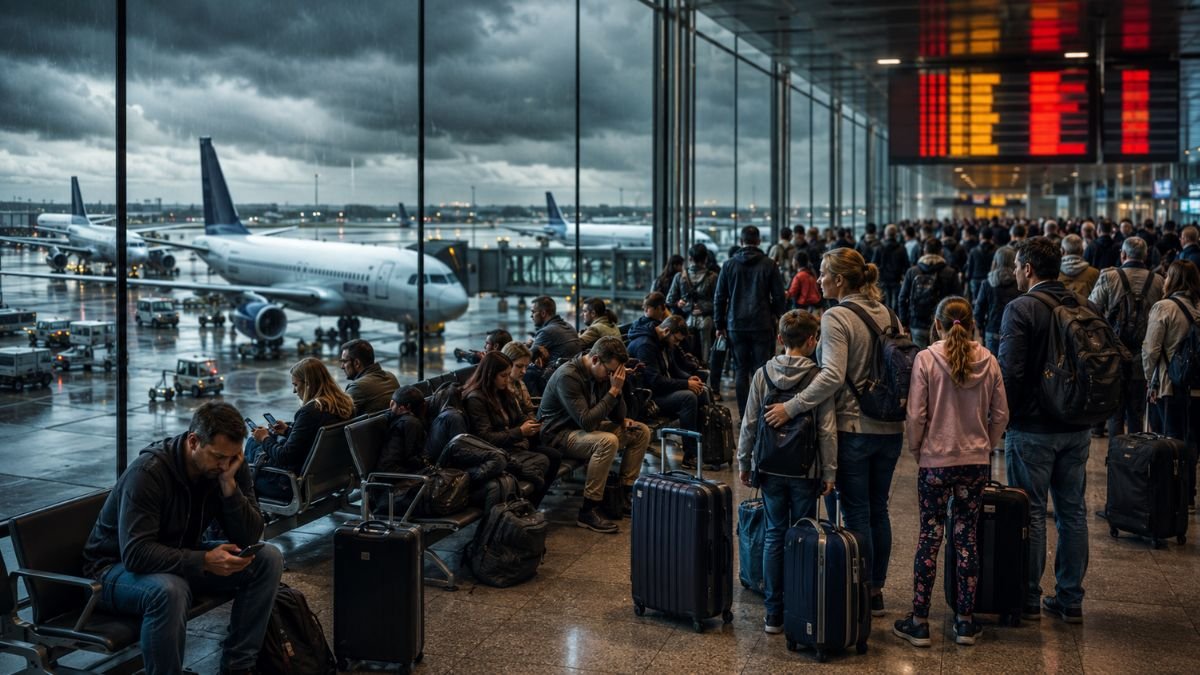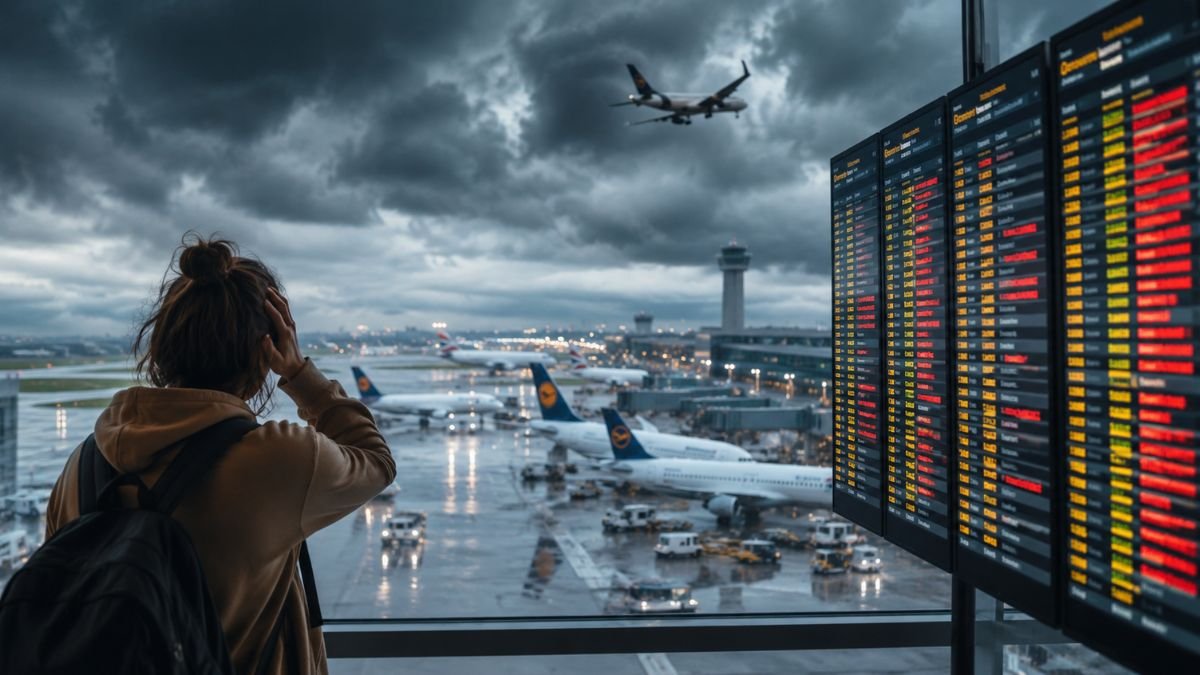
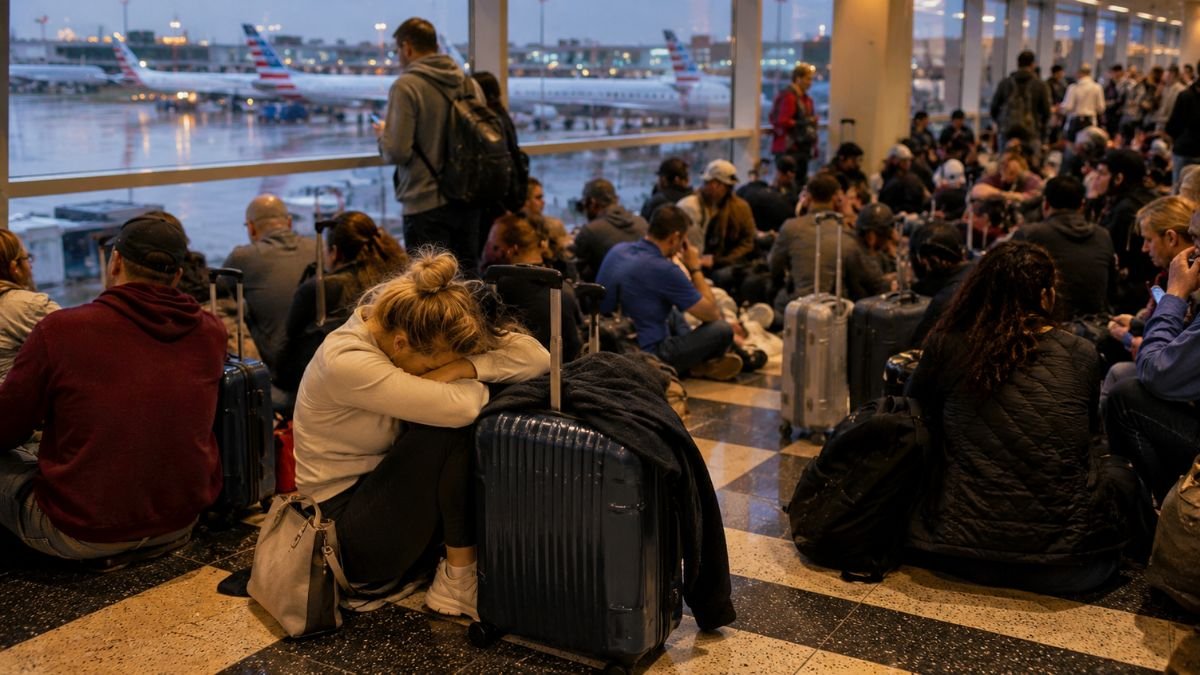
Hundreds of travelers were left stranded across Texas after Dallas-Fort Worth International Airport faced major flight disruptions, with 1,018 delays and 237 cancellations reported on June 13.
The disruption affected several major airlines, including American Airlines, Air Canada, PSA Airlines, SkyWest, Frontier Airlines, Envoy Air, Delta Air Lines, United Airlines, Alaska Airlines, and JetBlue.
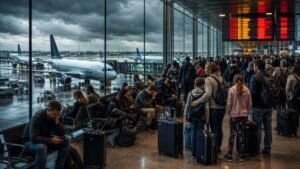
Because Dallas-Fort Worth is one of the busiest aviation hubs in the United States, the impact quickly spread across domestic and international routes.
Passengers traveling to and from cities such as New York, Los Angeles, Atlanta, Austin, Nashville, and Boston experienced delays, cancellations, and schedule changes throughout the day.
American Airlines And Regional Partners Hit Hardest
American Airlines appeared to face the heaviest impact, as Dallas-Fort Worth is one of its most important hubs. Hundreds of American Airlines flights were delayed, while many others were cancelled, creating problems for passengers with connecting flights across the country.

Regional carriers linked to American Airlines were also heavily affected. PSA Airlines, SkyWest, and Envoy Air reported significant delays and cancellations, adding to the pressure on travelers trying to move through Texas and other connected airports.
These regional airlines play an important role in connecting smaller cities to larger hubs, so disruptions at Dallas-Fort Worth created wider problems beyond Texas.
Other Airlines Also Faced Schedule Problems
The disruption was not limited to American Airlines and its regional partners. Delta Air Lines, United Airlines, Frontier Airlines, Air Canada, Alaska Airlines, and JetBlue also experienced delays and schedule adjustments.
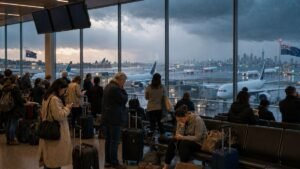
Air Canada’s disruptions affected routes between Texas and Canada, while other international flights connected to Mexico, the United Kingdom, France, Germany, Spain, and Japan were also impacted.
Airports in Toronto, Montreal, Vancouver, London, Paris, Frankfurt, Madrid, and Tokyo were among the international locations linked to delayed operations.
Weather And Air Traffic Control Measures Contributed
According to operational information, weather-related air traffic control management programs were in effect in the Dallas-Fort Worth area.
These measures are often used to maintain safe spacing between aircraft when weather conditions affect visibility, traffic flow, or runway operations.
Busy airports like Dallas-Fort Worth can experience a ripple effect when traffic slows. Aircraft may arrive late, crews may be delayed, and passengers may miss connections.
Once that chain reaction begins, airlines often need hours to adjust schedules and restore normal operations.
What Travelers Should Do During Delays
Passengers affected by the delays and cancellations should check their airline’s official website or mobile app for real-time flight updates. Gate changes, departure times, and rebooking options can change quickly during major disruptions.
Travelers with connecting flights should allow extra time and stay flexible. Those facing long delays may also need to contact hotels, rental car companies, or other travel providers to adjust plans.
Keeping identification, travel documents, medication, chargers, and essential items close can make unexpected schedule changes easier to manage.
Conclusion
Dallas-Fort Worth remained at the center of a major travel disruption as 1,018 delays and 237 cancellations affected hundreds of travelers.
American Airlines and its regional partners saw the largest impact, while several other domestic and international carriers also faced schedule problems.
With weather and air traffic control measures contributing to the delays, passengers were urged to keep checking airline updates and remain flexible as operations continued to change.