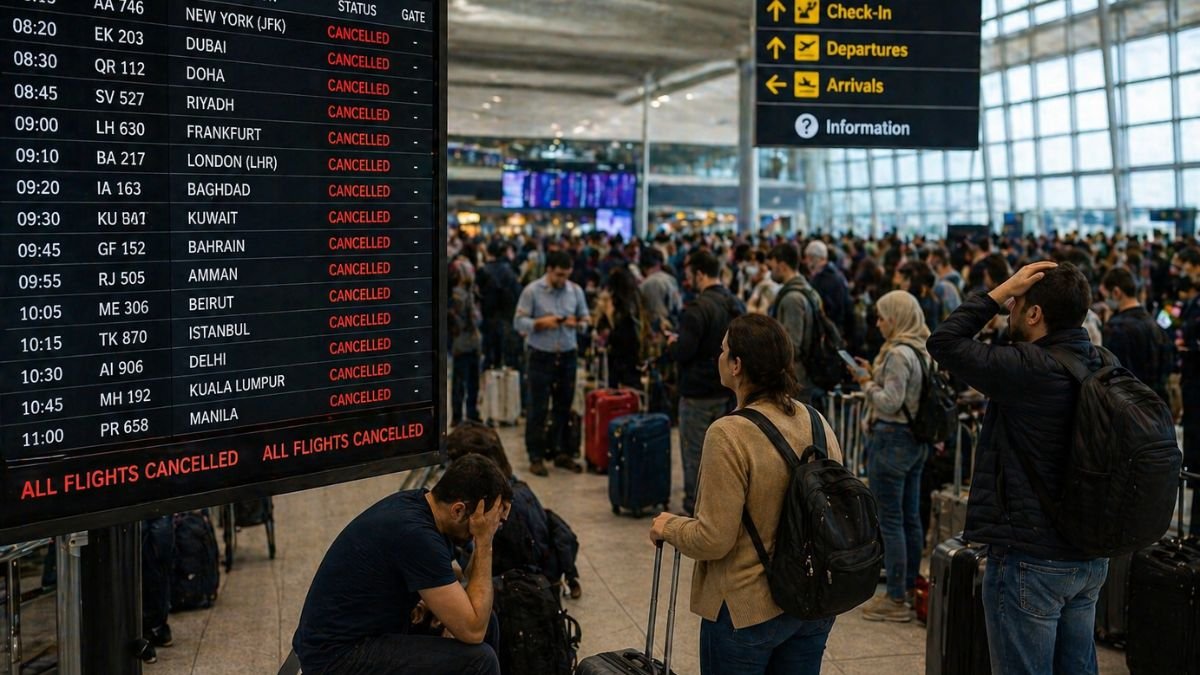
Europe’s summer tourism season is facing growing uncertainty as the UK joins Germany, France, Cyprus, Malta, Greece and other European nations dealing with flight cuts, higher fares and wider travel disruption.
Rising jet fuel prices, geopolitical instability and changing passenger demand are putting pressure on airlines just as the July and August holiday peak approaches.
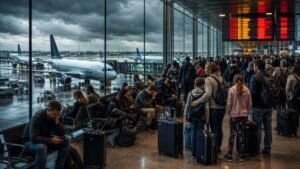
The disruption is linked partly to concerns around the Middle East and the Strait of Hormuz, a key route for global energy shipments.
Any pressure on fuel supply chains can quickly affect aviation, where jet fuel is one of the largest operating costs for airlines.
Jet Fuel Crisis Hits European Airlines
European aviation depends heavily on imported fuel. As supply concerns grow, airline costs are rising sharply. Industry leaders have warned that carriers cannot absorb higher fuel expenses forever, meaning passengers may face more expensive tickets.
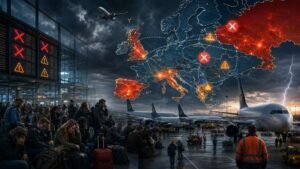
Major airlines are already reviewing schedules, route profitability and aircraft use. Some carriers are expected to reduce capacity on routes that are less profitable or more fuel-intensive.
This could mean fewer flights, limited seat availability and higher prices during peak holiday weeks.
UK and Western Europe Adjust Flight Operations
The United Kingdom is among the countries feeling pressure from tighter fuel supply and rising operating costs. Airlines have reportedly reduced some departures and consolidated flights where possible to manage fuel use more efficiently.
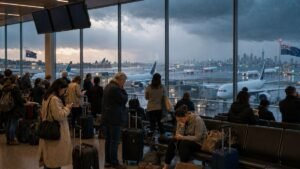
Germany, France, the Netherlands and Switzerland are also facing operational challenges. Airlines in these markets are focusing on fuel-efficient aircraft and reviewing long-haul schedules, especially where demand is softer or operating costs have increased sharply.
For travelers, this may lead to last-minute schedule changes, higher fares and fewer flexible options on popular routes.
Greece Sees Mixed Tourism Impact
Greece entered the summer season hoping for strong tourism numbers, but the fuel crisis is creating an uneven picture. Some regions are seeing slower bookings, especially from long-haul travelers facing expensive airfares.
Visitors from the United States, Australia and India may become more cautious as ticket prices rise. Meanwhile, Israeli travel demand to Greece has reportedly dropped sharply due to wider regional instability.
Popular destinations such as Crete and the Dodecanese Islands are seeing slower booking momentum. However, Athens and Cycladic islands including Paros, Milos and Naxos remain more resilient, helped by short-haul European travelers and ferry-based holidays.
Eastern Europe Faces Fare Pressure
Countries including Poland, Romania and Bulgaria are also feeling the impact of rising airfares. Higher travel costs may reduce demand among budget-conscious holidaymakers, especially families planning discretionary summer trips.
Airfare increases of even 5% to 15% can affect travel decisions when hotels, food, transport and local costs are already rising. As a result, many travelers are waiting longer before booking or choosing shorter, cheaper trips.
Regulators Step In to Protect Passengers
European regulators are trying to limit disruption while protecting passenger rights. Under current guidance, actual airport fuel shortages may be treated as extraordinary circumstances. However, high fuel prices alone do not automatically release airlines from passenger compensation obligations.
This means airlines must still care for passengers when cancellations or major delays occur, unless disruptions fall under specific extraordinary conditions.
The European Union has also opened the door to alternative fuel supply options, including US-standard jet fuel, to help stabilize supply.
Conclusion
Europe’s summer travel outlook remains uncertain as the fuel crisis, geopolitical instability and rising airline costs affect major tourism markets.
The UK, Germany, France, Greece, Cyprus, Malta and other European nations may face flight cuts, fare hikes and schedule changes during the busiest travel period.
Travelers should book carefully, monitor airline updates and stay flexible as Europe’s aviation industry adapts to a difficult summer season.