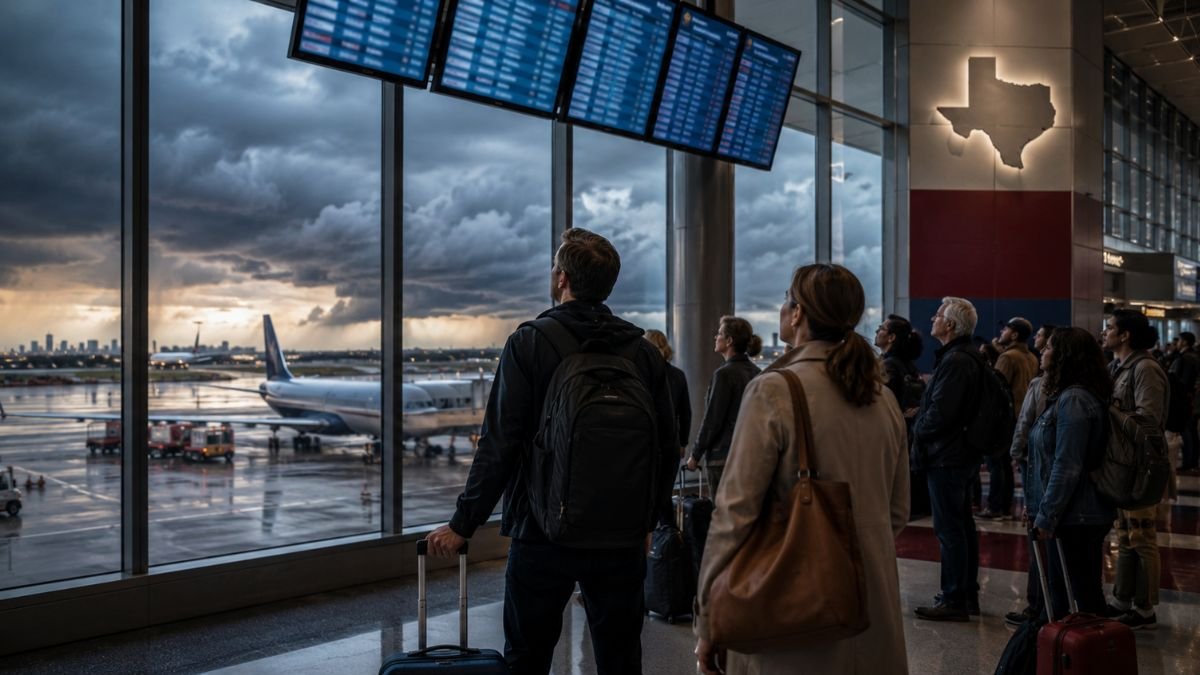
Hundreds of passengers across Texas faced major travel disruption as airports in Dallas, Houston and San Antonio reported a combined 395 flight delays and 11 cancellations.
The disruption affected several major carriers, including Republic Airways, American Airlines, Southwest Airlines, United Airlines and multiple regional and international airlines.
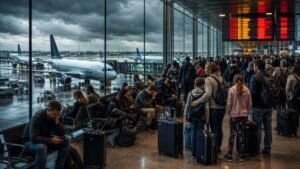
The latest update shows how quickly problems at key Texas airports can spread across the wider US aviation network, especially when major hubs such as Dallas-Fort Worth and George Bush Intercontinental are involved.
Dallas-Fort Worth Records Highest Number of Delays
Dallas-Fort Worth International Airport reported the highest number of delays among the affected Texas airports. The airport recorded 202 delayed flights and 1 cancellation, making it the busiest disruption point in the state.
American Airlines was the most affected carrier at DFW, with 129 delays and 1 cancellation. Since Dallas-Fort Worth is one of American Airlines’ largest hubs, even limited cancellations can create wider schedule problems.

Other airlines affected at DFW included Delta Air Lines, United Airlines, Envoy Air, PSA Airlines, Frontier, Spirit, SkyWest, British Airways, Lufthansa, Air France, Japan Airlines, EVA Air and VivaAerobus.
Houston Airport Faces 111 Delays
George Bush Intercontinental Airport in Houston also experienced major disruption, with 111 delays and 6 cancellations reported.
United Airlines saw the largest impact at Houston, recording 5 cancellations and 52 delays. British Airways also reported 1 cancellation, while several other airlines experienced delays, including Delta Air Lines, Spirit, SkyWest, Mesa, CommuteAir, Air France, Air Canada, Lufthansa, KLM, Turkish Airlines, Volaris and American Airlines.
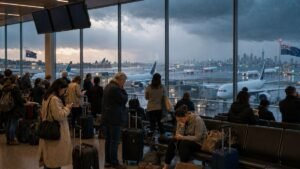
As a major international and domestic hub, Houston’s disruption affected passengers travelling across the US and connecting to global destinations.
Dallas Love Field and San Antonio Also Hit
Dallas Love Field reported 51 delays and 2 cancellations, with Southwest Airlines accounting for nearly all the disruption at the airport. Southwest recorded 2 cancellations and 50 delayed flights, while JSX reported 1 delay.
At San Antonio International Airport, passengers faced 31 delays and 2 cancellations. Republic Airways recorded both cancellations, while Southwest, United, American Airlines, SkyWest, Delta, Frontier, Envoy Air, AeroMéxico and VivaAerobus also reported delays.
These numbers show that the disruption was not limited to one airport. Instead, the impact spread across multiple parts of the Texas air travel system.
Why Texas Flight Delays Matter for Travelers
The disruption affected more than just passengers inside airport terminals. Delays at major hubs can create a chain reaction across the aviation network.
A late arrival in Dallas may delay a connecting flight to another city. A delayed aircraft in Houston may arrive late for its next scheduled route. Crew scheduling, baggage transfers and gate availability can also be affected.
This is especially important for tourists, business travelers and passengers with tight connections. When airports in Dallas, Houston and San Antonio face hundreds of combined delays, the impact can reach smaller cities and international routes as well.
What Affected Passengers Should Do
Passengers caught in the latest Texas flight delays should check their airline app or airport website before leaving for the airport.
Real-time updates are important because departure times, gates and aircraft assignments can change quickly.
Travelers facing cancellations should contact their airline for rebooking options or refund information. Those stuck for long periods should also ask airline staff whether meal vouchers, hotel support or alternate routing may be available.
Passengers should keep receipts, booking confirmations and screenshots of airline updates in case they need to file insurance claims or request support later.
Conclusion
The latest Texas air travel disruption caused 395 delays and 11 cancellations across airports in Dallas, Houston and San Antonio. Dallas-Fort Worth saw the highest delay count, while Houston recorded the most cancellations.
Major carriers including American Airlines, United Airlines, Southwest Airlines, Republic Airways and several regional operators were affected.
With Texas serving as a major aviation corridor, passengers are advised to remain flexible, monitor flight updates and prepare for possible schedule changes.