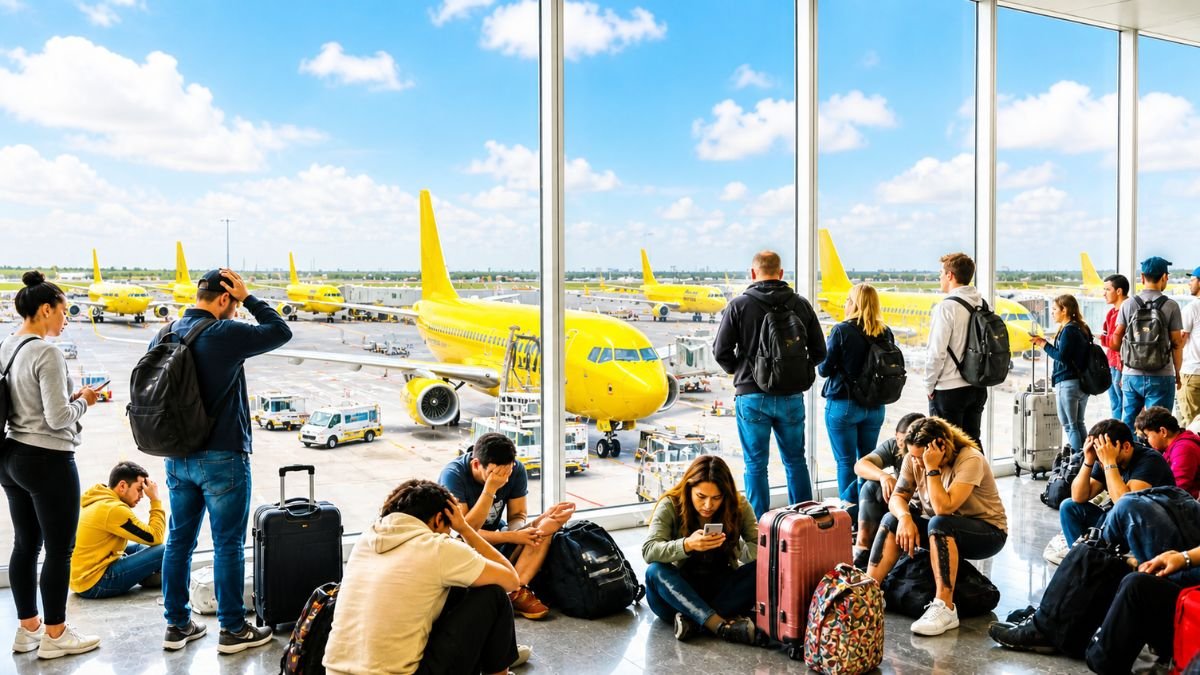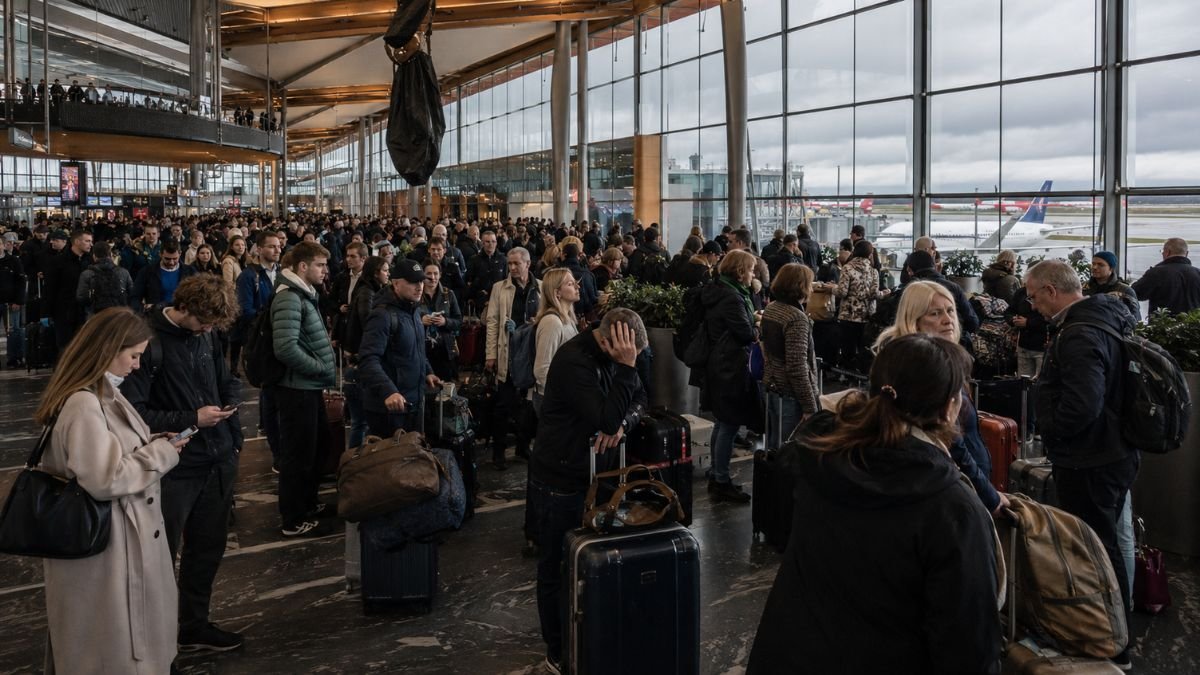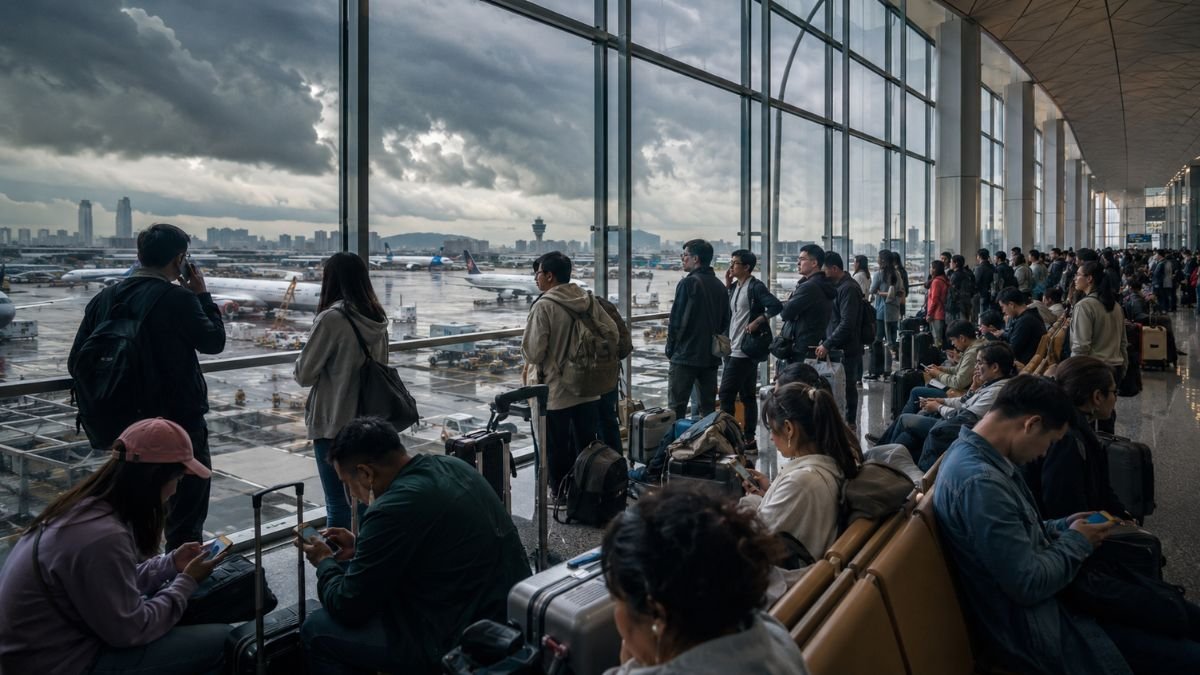
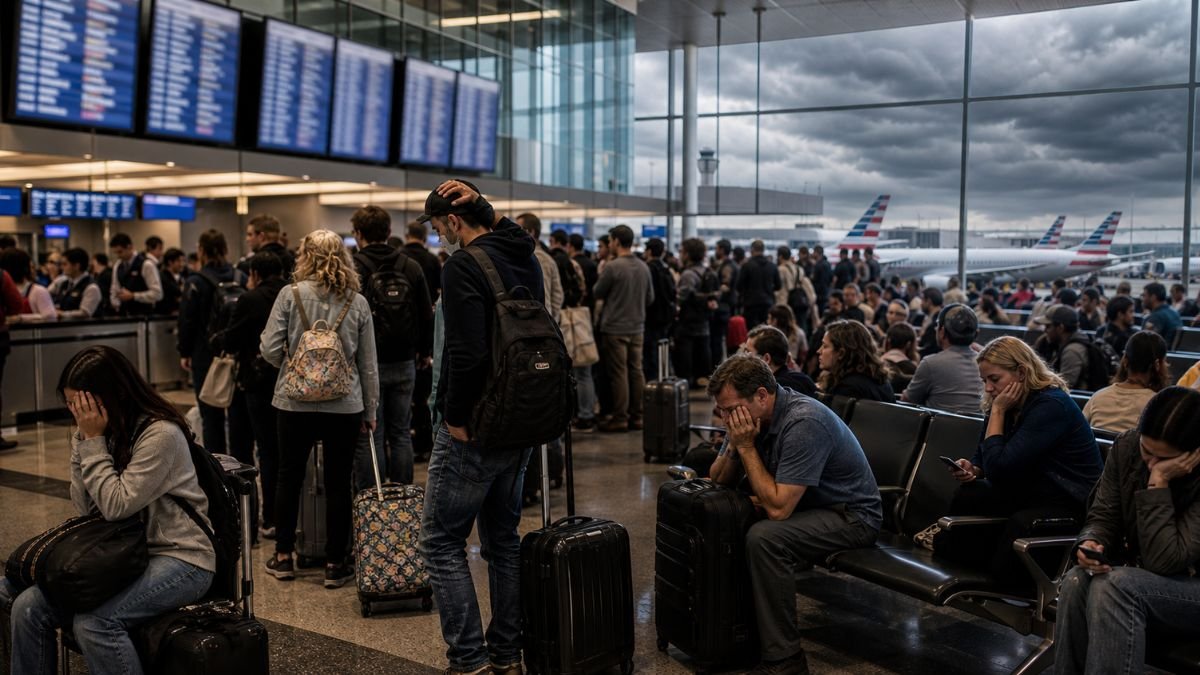
Air travel across the United States faced another difficult day as volatile weather, air traffic congestion, and ground restrictions disrupted thousands of flights.
Reported figures showed 3,611 delays and 838 cancellations, affecting major travel regions including California, New Mexico, Nevada, Dallas, Charlotte, Houston, New York, Orlando and several other busy markets.
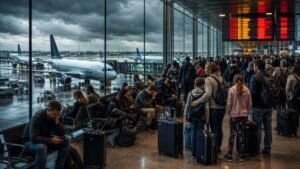
Airlines hit by the disruption included American Airlines, Southwest Airlines, Delta Air Lines, Piedmont, United Airlines, Alaska Airlines and multiple regional carriers.
Flight-tracking services update these numbers throughout the day, meaning totals can shift quickly as airlines adjust schedules.
Texas Airports Hit Hardest
Texas saw some of the most severe disruption. Dallas-Fort Worth International Airport recorded 361 cancellations and 571 delays, making it one of the hardest-hit airports in the country.
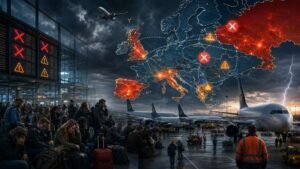
Dallas Love Field also faced heavy pressure, with 65 cancellations and 120 delays. Austin-Bergstrom International Airport reported 29 cancellations and 137 delays, while Houston Bush Intercontinental saw 7 cancellations and 180 delays.
William P. Hobby Airport reported 11 cancellations and 67 delays, as thunderstorms continued to affect operations across the region.
Southeast Hubs Face Heavy Cancellations
Charlotte Douglas International Airport in North Carolina recorded 144 cancellations and 208 delays, creating major challenges for connecting passengers.
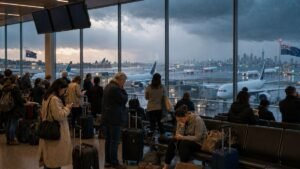
Hartsfield-Jackson Atlanta International Airport also faced significant disruption, with 114 cancellations and 285 delays. Because Atlanta is one of the busiest hubs in the world, delays there can quickly affect flights across the national network.
New York And East Coast Travel Slows
The Northeast corridor also experienced widespread delays. John F. Kennedy International Airport reported 15 cancellations and 130 delays, while LaGuardia recorded 18 cancellations and 79 delays.
Boston Logan International Airport saw 26 cancellations and 137 delays, while Philadelphia International Airport recorded 23 cancellations and 107 delays.
Reagan National and Baltimore/Washington International also reported delays as traffic volume and weather restrictions slowed schedules.
Western Airports Also Affected
On the West Coast, California airports reported major delays. San Francisco International Airport logged 11 cancellations and 198 delays, while Los Angeles International Airport recorded 12 cancellations and 137 delays.
San Diego International Airport saw 16 cancellations and 115 delays, and John Wayne Airport reported 7 cancellations and 29 delays. In Nevada, Harry Reid International Airport in Las Vegas recorded 18 cancellations and 144 delays.
Denver International Airport also faced pressure, with 21 cancellations and 201 delays.
Airlines Facing The Most Disruption
American Airlines reported the highest number of cancellations, with 275 cancellations and 646 delays. Its regional partners were also heavily affected, including PSA Airlines with 84 cancellations, Envoy Air with 81 cancellations, and Piedmont with 47 cancellations.
Southwest Airlines recorded the most delays, with 851 delayed flights and 100 cancellations. Delta Air Lines reported 119 cancellations and 361 delays, while United Airlines had 12 cancellations and 279 delays.
JetBlue, Frontier, SkyWest, Alaska, Allegiant and Horizon also reported disruption.
What Passengers Should Do
Passengers should check airline apps before leaving for the airport. With ground stops, weather delays and departure restrictions changing quickly, airport screens may not update fast enough.
Travelers whose flights are canceled should request rebooking or a refund. Using airline apps, digital chat tools and phone support may be faster than waiting in long airport service lines.
Conclusion
US air travel faced widespread disruption as 838 cancellations and 3,611 delays affected major airports and airlines. Texas, Charlotte, Atlanta, New York, California, Nevada and Houston were among the hardest-hit regions.
With storms and air traffic congestion continuing to affect schedules, passengers should monitor flight status closely and prepare backup travel plans.