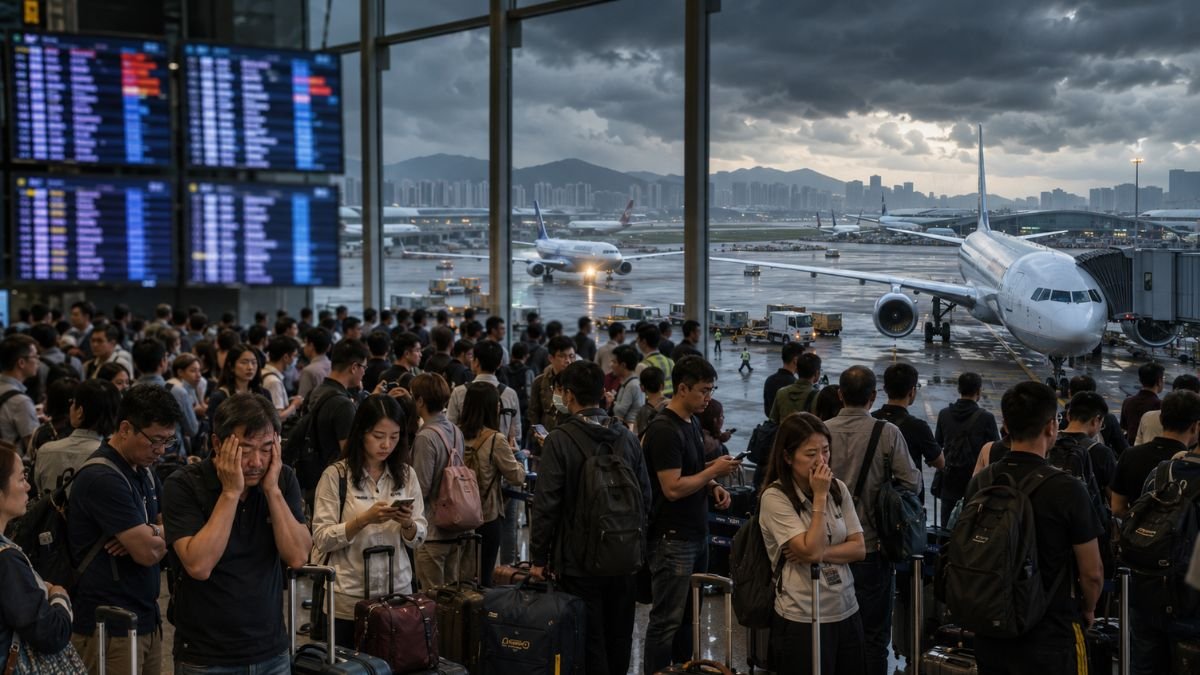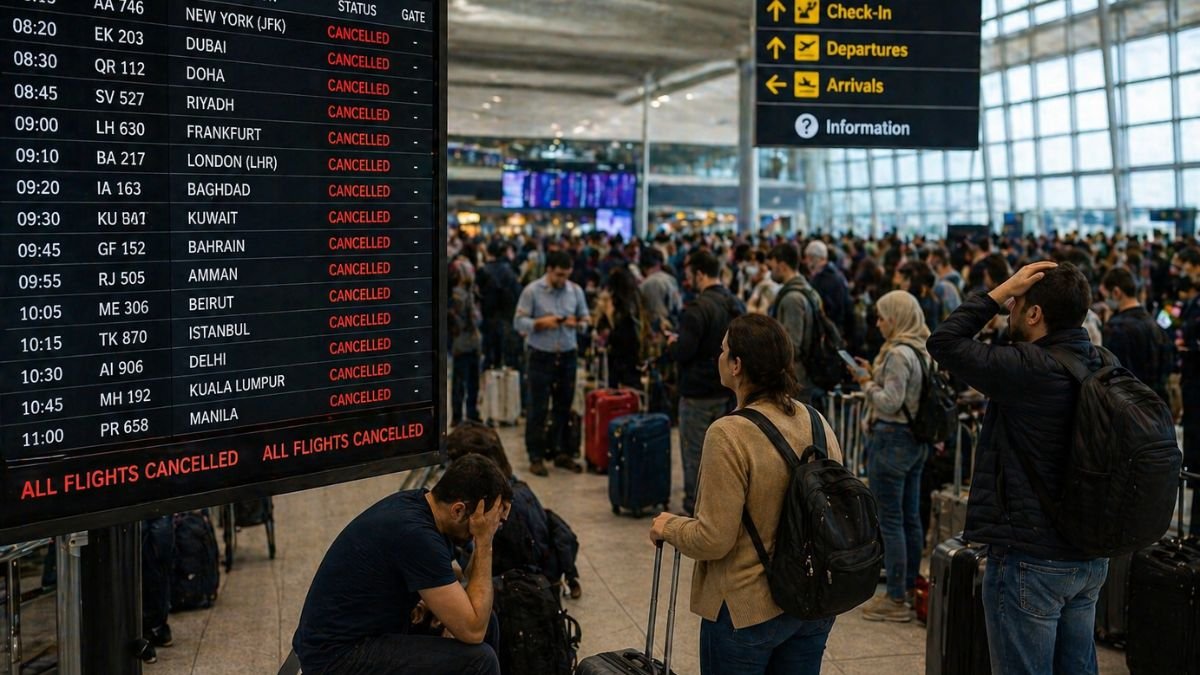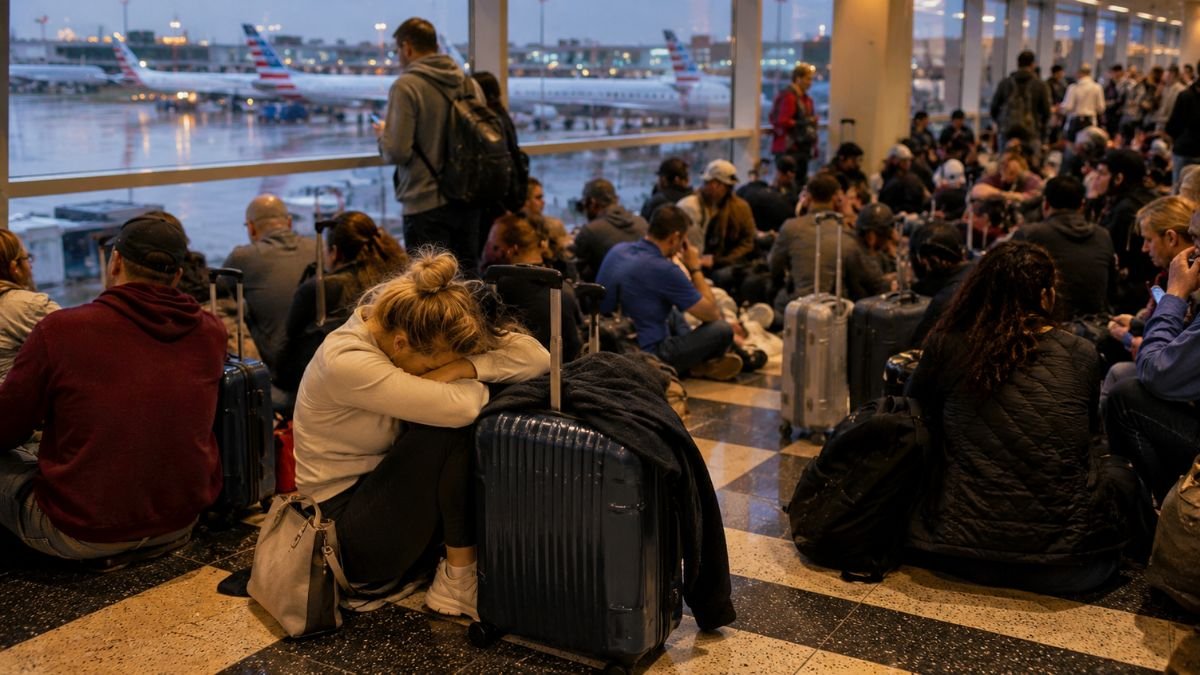
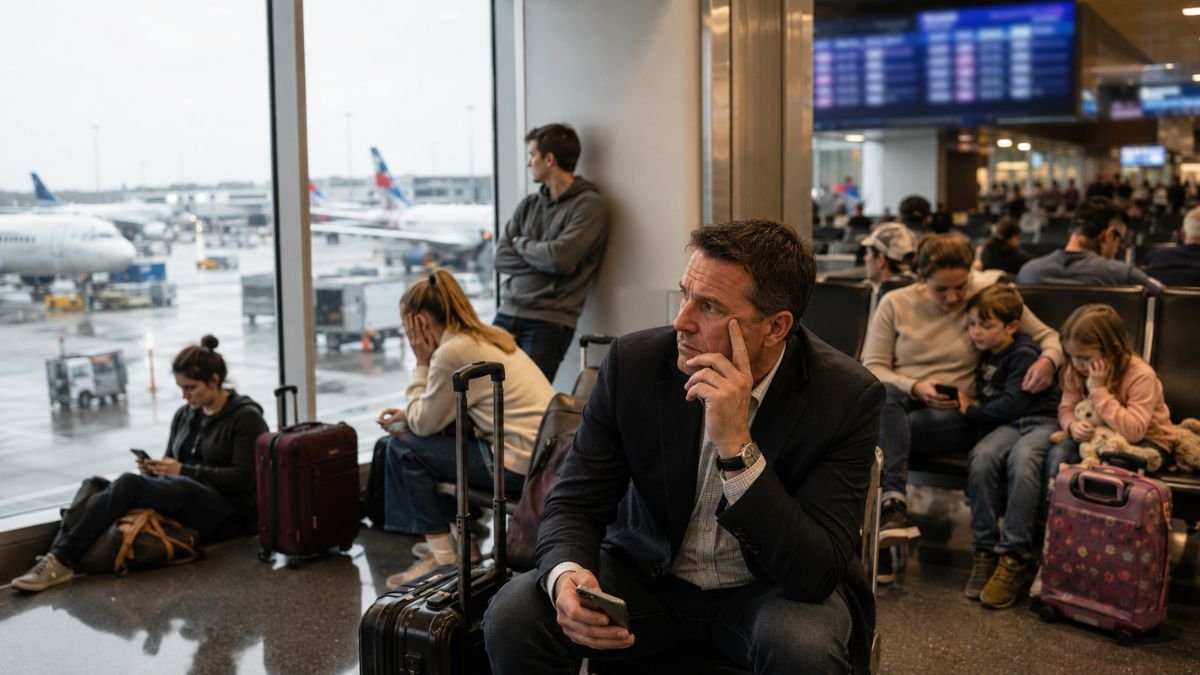
Air travel across Asia has been hit by major disruptions as several countries report a sharp rise in flight delays and cancellations.
According to the latest available flight disruption data, 313 flights have been cancelled and 4,020 flights delayed, affecting passengers across Indonesia, Malaysia, Thailand, the UAE, Saudi Arabia, China, India, and other major aviation markets.
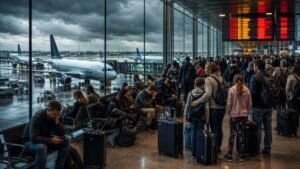
The disruption has impacted several leading airlines, including Air China, IndiGo, Citilink, Jetstar Japan, FlyDubai, China Eastern, China Southern, Shenzhen Airlines, Saudia, Batik Air, and Air Arabia.
Major airports in Jakarta, Kuala Lumpur, Bangkok, Dubai, Jeddah, Shenzhen, Guangzhou, Delhi, Mumbai, and Shanghai are among the busiest hubs facing delays, congestion, and passenger backlogs.
Major Airports Facing Heavy Delays and Cancellations
The worst disruption has been reported at some of Asia’s busiest airport hubs. Shenzhen Bao’an International Airport recorded 31 cancellations and 601 delays, while Guangzhou Baiyun International Airport saw 18 cancellations and 658 delays. These figures show the pressure being felt across China’s aviation network.

Other major Chinese airports, including Beijing Capital, Shanghai Pudong, Shanghai Hongqiao, and Chengdu Tianfu, also reported hundreds of delayed flights. The widespread nature of the disruption suggests that operational pressure is not limited to one airport or city.
In India, Delhi’s Indira Gandhi International Airport reported 5 cancellations and 385 delays, while Mumbai’s Chhatrapati Shivaji Maharaj International Airport recorded 6 cancellations and 312 delays. These delays affected both domestic and international passengers.
Southeast Asian hubs such as Kuala Lumpur International Airport, Bangkok Suvarnabhumi Airport, and Jakarta Soekarno-Hatta International Airport also experienced significant delays, creating long waiting times for passengers and pressure on airline support teams.
Airlines Most Affected by the Disruption
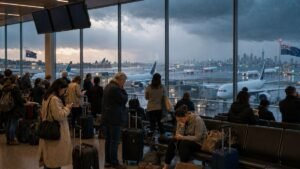
Several major airlines have been caught in the disruption. Air China reported 29 cancellations and 181 delays, while China Eastern Airlines recorded 27 cancellations and 374 delays. Hainan Airlines also faced 25 cancellations and 121 delays.
China Southern Airlines reported 540 delays, while Shenzhen Airlines saw 12 cancellations and 204 delays. India’s IndiGo also faced serious operational pressure, with 2 cancellations and 519 delays.
Regional and low-cost carriers such as Citilink, Batik Air, Jetstar Japan, FlyDubai, Air Arabia, and Saudia were also affected, especially on routes connecting Southeast Asia, East Asia, India, and the Middle East.
What Is Causing the Travel Chaos?
The disruptions appear to be linked to a mix of operational challenges, airport congestion, tight airline schedules, high passenger traffic, weather-related issues, and air traffic control restrictions.
When several of these problems happen at the same time, delays can quickly spread across multiple airports and airline networks.
Limited airport capacity at busy hubs has also added to the pressure. As aircraft arrive late, connecting flights, gate assignments, crew schedules, and passenger transfers are all affected. This creates a chain reaction that can delay flights for several hours.
Passenger Guidance During Flight Delays
Passengers affected by the disruption should check airline websites and mobile apps regularly for real-time updates. Travellers should also contact airline customer service as early as possible to explore rebooking options or alternative routes.
Those flying from busy airports should arrive early, as long queues and procedural delays may add extra waiting time. International passengers should also review visa, transit, and entry rules if delays affect connecting flights.
Travellers are advised to remain calm, keep travel documents ready, monitor official airport and airline announcements, and stay flexible with onward travel plans.
Conclusion
The latest Asia flight disruption has caused serious inconvenience for thousands of passengers, with 313 cancellations and 4,020 delays reported across major airports.
Airlines including Air China, IndiGo, Citilink, Jetstar Japan, FlyDubai, Saudia, and others have been affected by operational pressure, airport congestion, and scheduling challenges.
Passengers travelling through major hubs such as Jakarta, Kuala Lumpur, Bangkok, Dubai, Jeddah, Shenzhen, Guangzhou, Delhi, and Mumbai should continue checking flight status before leaving for the airport.
The situation highlights the need for stronger contingency planning, better passenger communication, and improved airport capacity management during peak disruption periods.