
Life does not always provide the choices, opportunities or outcomes people originally wanted. Plans change, resources become limited and ideal solutions may remain unavailable.
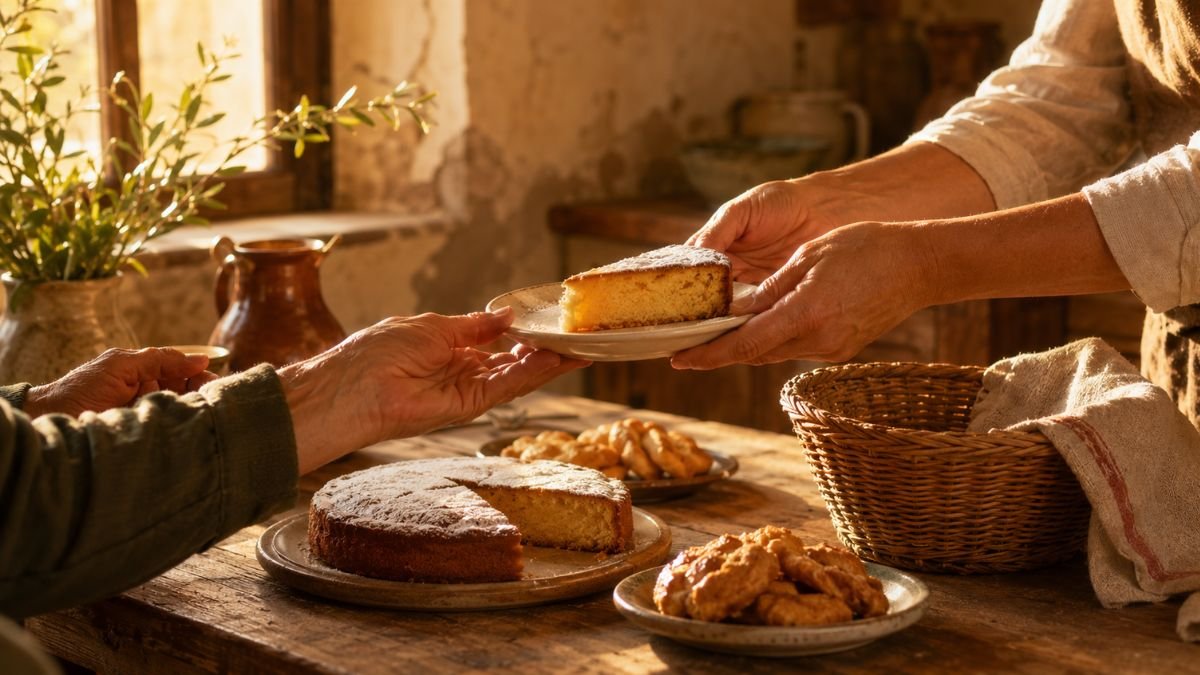
During such moments, the Spanish proverb, “In the absence of bread, cakes are good,” offers a practical lesson about acceptance and adaptability.

The saying encourages people to appreciate a suitable alternative instead of rejecting it simply because it differs from their expectations. It reminds us that something useful or enjoyable is often better than having nothing at all.
Meaning of the Spanish Proverb
The “bread” in this proverb represents the expected or preferred option. The “cakes” represent an alternative that becomes valuable when the original choice is unavailable.
The saying does not suggest that people should abandon their standards or accept genuinely harmful circumstances. Instead, it teaches them to remain flexible when life offers a different but still reasonable solution.

People sometimes become so attached to a particular outcome that they overlook other possibilities. The proverb encourages a shift in perspective: rather than concentrating entirely on what is missing, consider what remains available and how it might still meet the need.
Flexibility Can Reduce Disappointment
Rigid expectations can make ordinary setbacks feel more upsetting than necessary. When someone believes only one outcome will be acceptable, any change may appear to be a complete failure.
Flexibility allows people to adjust their plans without losing sight of their broader purpose. A person who does not receive their preferred job, for example, may discover that another position offers useful experience and unexpected opportunities.

The alternative may not match the original plan, but it can still produce a meaningful result.
Gratitude Changes How People See Limitations
The proverb also contains an important lesson about gratitude. Constantly focusing on what is unavailable can create frustration, while recognising what is present can support contentment.
Gratitude does not require pretending that every situation is perfect. It simply means acknowledging that an imperfect option may still possess genuine value.
This attitude can help people respond to limitations more calmly. Instead of asking why they did not receive exactly what they expected, they can consider how to use what they have effectively.
Adaptability Builds Resilience
Adaptability is especially valuable during periods of uncertainty. People who can revise their expectations are often better prepared to manage changes in work, education, finances and relationships.
A student may need to choose a different course. A family might alter its holiday plans because of unexpected expenses. A professional may have to pursue a different route towards a career goal.
These adjustments do not necessarily represent defeat. They demonstrate the ability to continue moving forward when circumstances change.
Why the Proverb Remains Relevant Today
Modern culture frequently encourages people to pursue perfect results. Social media can intensify this pressure by displaying carefully selected examples of success, wealth and ideal lifestyles.
However, everyday life usually involves compromise. Not every opportunity will be perfect, and not every decision will provide everything someone wants.
The proverb encourages practical thinking. Making good use of an available opportunity can be wiser than waiting indefinitely for an ideal option that may never appear.
Similar English Expressions
Several English sayings communicate the same basic lesson:
- “Half a loaf is better than none.”
- “Make do with what you have.”
- “Work with what you’ve got.”
- “Make the best of the situation.”
Each expression highlights the value of flexibility, resourcefulness and realistic expectations.
“In the absence of bread, cakes are good” teaches that satisfaction depends partly on perspective. When an ideal choice is unavailable, a reasonable alternative may still provide value.
By remaining flexible, practising gratitude and adjusting expectations, people can handle imperfect situations with greater resilience and less unnecessary disappointment.