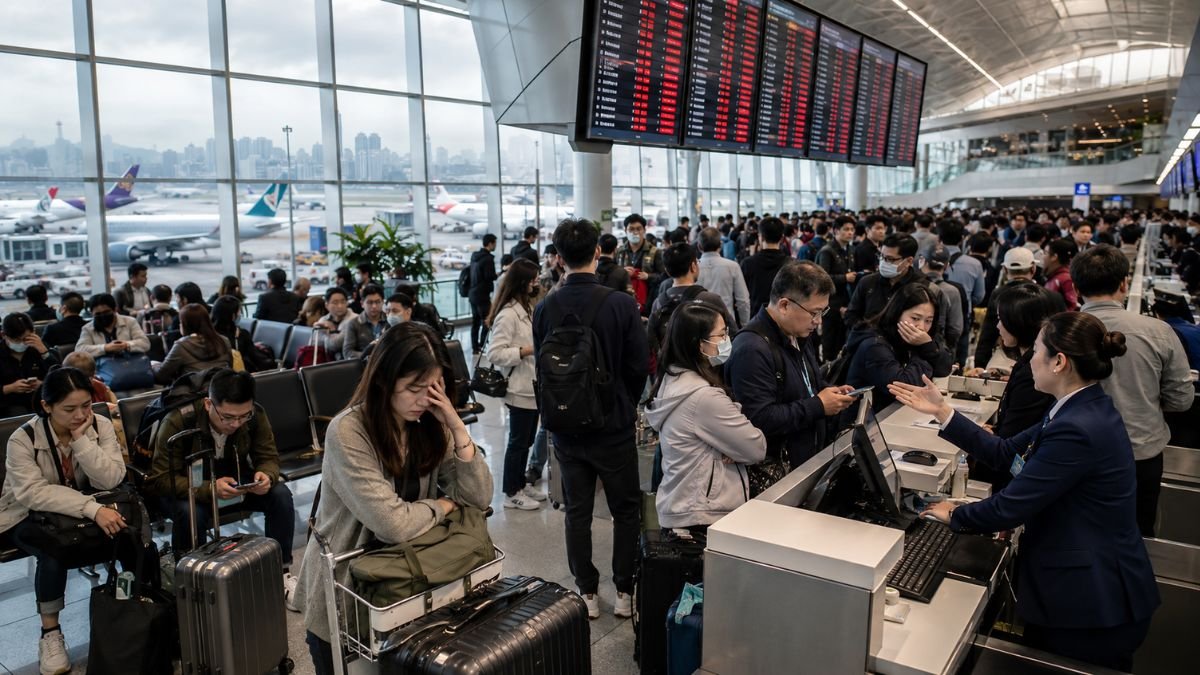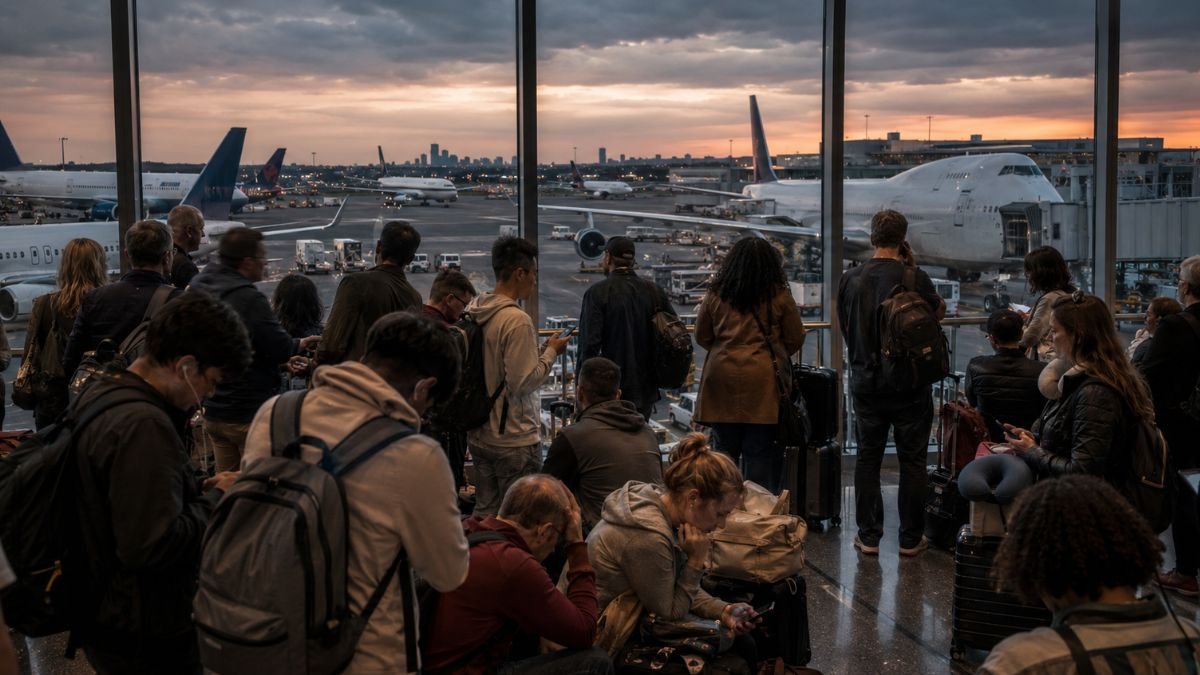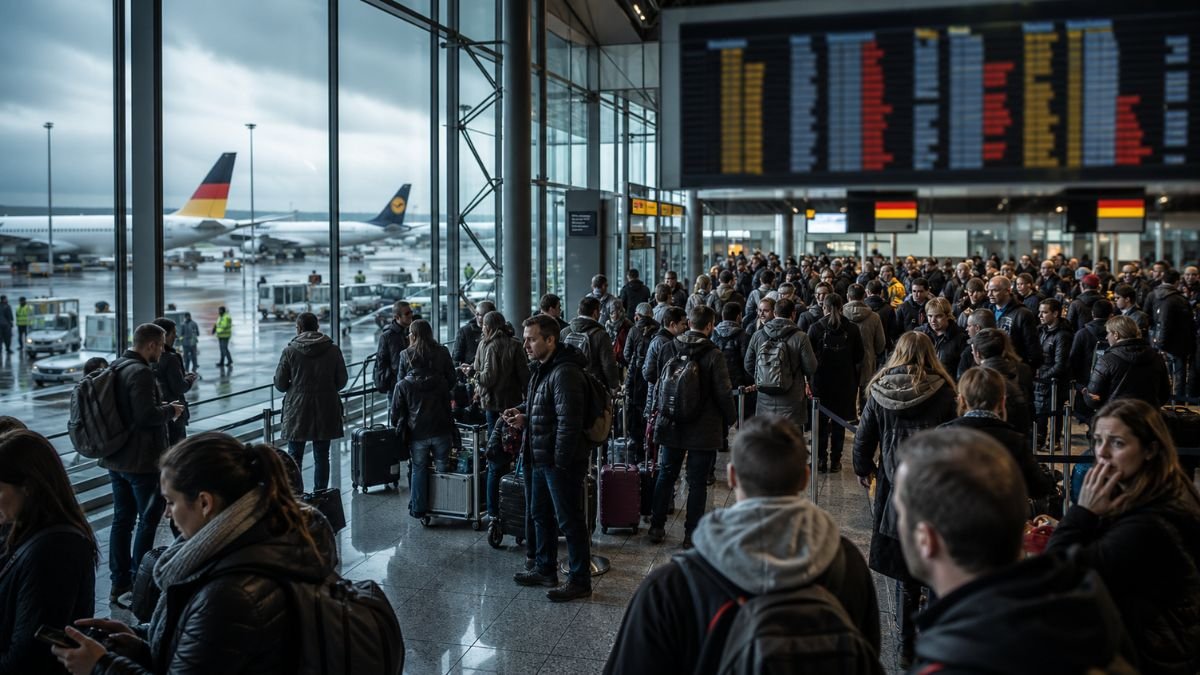
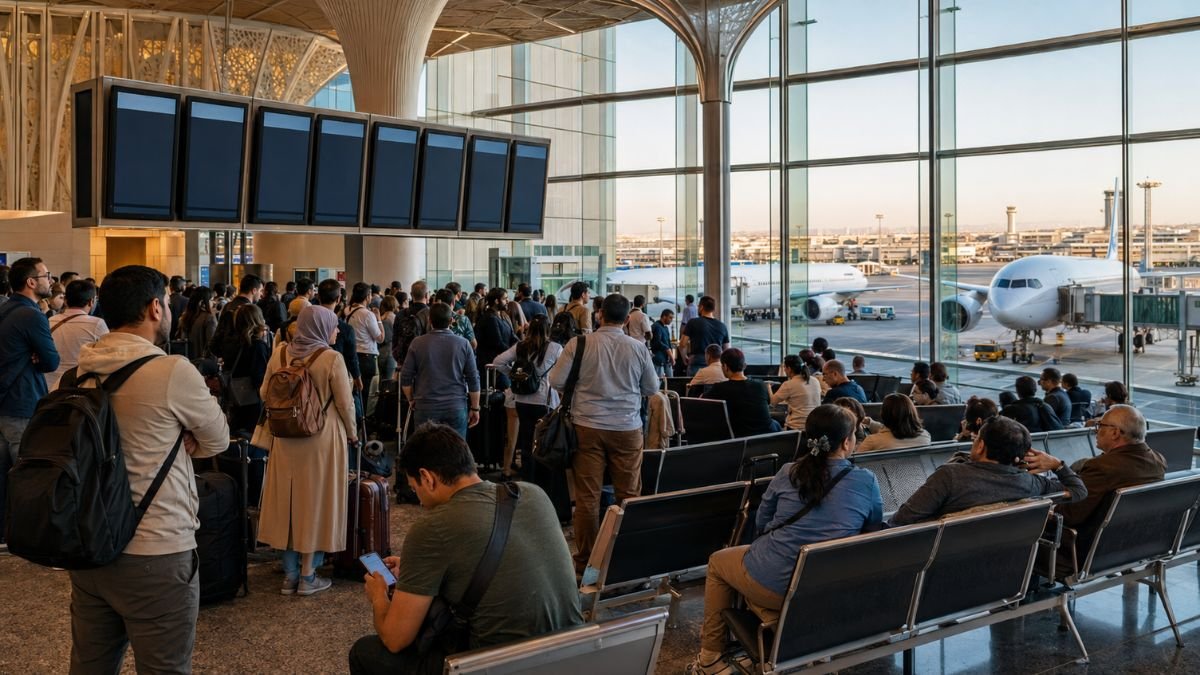
Air travel across the Middle East faced widespread disruption on June 23, 2026, as 277 flights were delayed and 13 were cancelled across five major international airports.
Operations in the UAE, Saudi Arabia, Kuwait and Qatar were affected, disrupting services operated by Airblue, Saudia, Air Arabia, Kuwait Airways, Qatar Airways and several other carriers.

Passengers experienced extended waiting times, altered departure schedules and missed connections throughout the day.
Five Major Airports Report Disruptions
The disruption affected some of the region’s busiest aviation hubs, including airports serving Dubai, Sharjah, Riyadh, Kuwait City and Doha.
Hamad International Airport in Qatar recorded the greatest number of delays. A total of 84 flights were delayed, while two services were cancelled.

As Doha is a major international transit hub, these changes potentially affected connecting passengers travelling across several continents.
Dubai International Airport reported 79 delayed flights and two cancellations. The airport handles an extensive network of regional and long-distance services, meaning scheduling problems can quickly affect flights at other destinations.
King Khalid International Airport in Saudi Arabia recorded 57 delays and three cancellations. These disruptions placed additional pressure on airline staff and ground-handling operations at the busy capital gateway.

Sharjah International Airport in the UAE experienced 37 delays and one cancellation. Several budget and regional airlines use the airport, including Air Arabia, making the disruption significant for passengers travelling on short- and medium-haul routes.
Kuwait International Airport recorded the highest number of cancellations, with five flights removed from the schedule. Another 20 services were delayed.
Airlines and Passengers Face Scheduling Pressure
Flight operations across the Middle East are closely connected. An aircraft arriving late at one airport may subsequently delay its next departure, creating further scheduling problems elsewhere.
Airlines may also need to adjust crew assignments, gate availability and ground services when several flights operate behind schedule.
These challenges can result in longer queues at customer service counters and congestion inside terminal waiting areas.
Although most scheduled services continued operating, the combined number of delays created uncertainty for travellers, particularly those with short connections or time-sensitive plans.
Possible Impact on Regional Tourism
Reliable air connectivity is important to tourism and business travel across the UAE, Saudi Arabia, Kuwait and Qatar. These countries have invested heavily in airports, airlines and tourism infrastructure to attract international visitors.
A single day of disruption is unlikely to cause lasting damage to the region’s tourism sector. However, repeated operational problems could influence passenger confidence and encourage travellers to choose longer connection times.
Airlines may also review scheduling buffers during busy travel periods to reduce the possibility of delays affecting multiple services throughout their networks.
Advice for Affected Travellers
Passengers should check their flight status through official airline websites, mobile applications and airport departure boards before travelling to the terminal. Airline notifications may provide updated departure times, gate changes or cancellation information.
Travellers who miss a connecting flight should contact the operating airline’s transfer desk as soon as possible. Rebooking arrangements will depend on whether the journey was purchased under a single reservation.
Meals, refreshments or overnight accommodation may be offered during lengthy disruptions, depending on the airline’s policies, local regulations and the cause of the delay.
Eligibility for refunds or compensation also varies between airlines and jurisdictions. Passengers should retain booking confirmations, receipts and written notifications before submitting a claim.
Conclusion
The 277 delays and 13 cancellations recorded across five Middle Eastern airports disrupted hundreds of journeys on June 23.
With flight schedules capable of changing quickly, passengers should continue monitoring official updates and allow additional time for connections.