
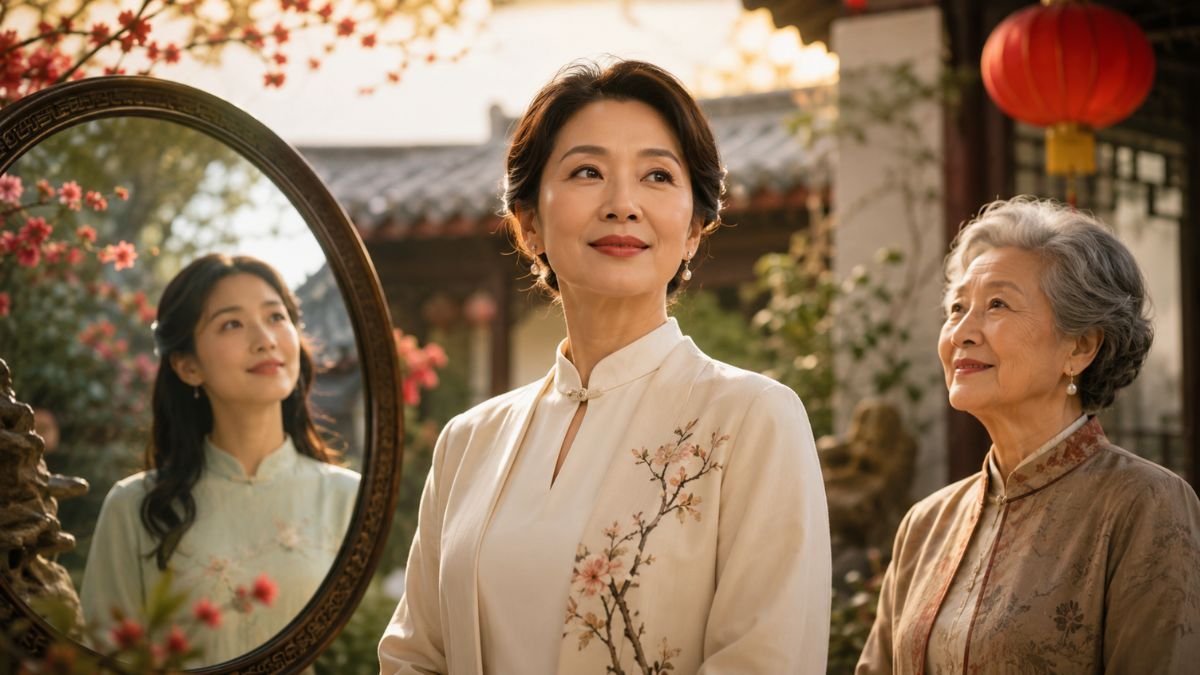
The Chinese Proverb of the Day, “The woman who tells her age is either too young to have anything to lose or too old to have anything to gain,” offers a thoughtful lesson about confidence, identity, social expectations, and how people choose to present themselves to the world.
At first, the saying may appear to be about age. But its deeper meaning goes far beyond numbers. It reflects how society often attaches meaning to age, especially for women, and how personal confidence can shape whether someone feels free, insecure, judged, or completely at peace with themselves.
Meaning of the Chinese Proverb

This proverb suggests that people do not always reveal or hide personal details because of facts alone. Instead, their choices are often shaped by emotions, confidence, social pressure, and self-perception.
The phrase points to two stages of life. A young person may openly share their age because they feel they have little to lose. Youth is often celebrated, admired, and associated with beauty, opportunity, and potential.
On the other hand, an older person may share their age because they have moved beyond the need for approval. Experience can bring freedom from judgment.

Between these two stages, many people may feel pressure to manage how others see them. That is where the proverb becomes meaningful. It reminds us that age itself is not the problem. The real issue is how society teaches people to feel about age.
Why Age Should Not Define Your Worth
In modern life, people are often judged by numbers. Age, salary, grades, weight, followers, achievements, and career milestones are treated like measures of success. But these numbers cannot fully define a person’s value.
Age does not decide intelligence, beauty, strength, happiness, or purpose. Some people find success early, while others discover their true path later in life. Some become wiser through hardship, while others remain emotionally young despite growing older.

The proverb encourages people not to let age become a limitation. A person’s identity is built through choices, lessons, values, courage, and growth.
Confidence grows when people stop comparing themselves to social timelines and begin accepting their own journey.
Social Expectations and Identity
This saying also reflects the pressure created by social expectations. Many cultures place unrealistic standards on women, especially regarding youth, beauty, marriage, career, and appearance. Because of this, age can become a sensitive topic.
Some people hide their age because they fear being judged as too young, too old, inexperienced, outdated, or no longer desirable. Others reveal it proudly because they are comfortable with who they are.
The proverb teaches that self-presentation is not only controlled by society. It is also shaped by mindset. When someone feels secure within themselves, they are less controlled by outside opinions.
Life Lessons from the Proverb
One major lesson from this Chinese proverb is that confidence speaks louder than age. A confident person does not need constant approval to feel valuable.
Another lesson is that self-perception matters. What people believe about themselves often affects how they behave, speak, dress, and interact with others. If someone sees age as a weakness, they may feel insecure. If they see age as experience, they may feel proud.
The proverb also teaches emotional freedom. When people stop living for approval, they become more honest and peaceful. They no longer feel the need to hide every part of themselves to fit social expectations.
Why This Proverb Is Relevant Today
This proverb feels especially relevant in the age of social media. Online platforms often promote youth, beauty, perfection, and comparison. People are constantly exposed to edited images, success stories, and unrealistic lifestyles.
As a result, many begin to measure themselves against others. They may feel too old to start again, too young to be taken seriously, or too late to achieve something meaningful.
The proverb challenges this mindset. It reminds us that identity should not be controlled by numbers or public opinion. True confidence comes from accepting where you are in life and understanding that every stage has its own power.
The Chinese proverb, “The woman who tells her age is either too young to have anything to lose or too old to have anything to gain,” carries a timeless message about confidence, perception, and self-worth.
Its lesson is simple but powerful: age is only a number, but confidence is a choice. When people stop fearing judgment, they begin to live with greater honesty, freedom, and peace.