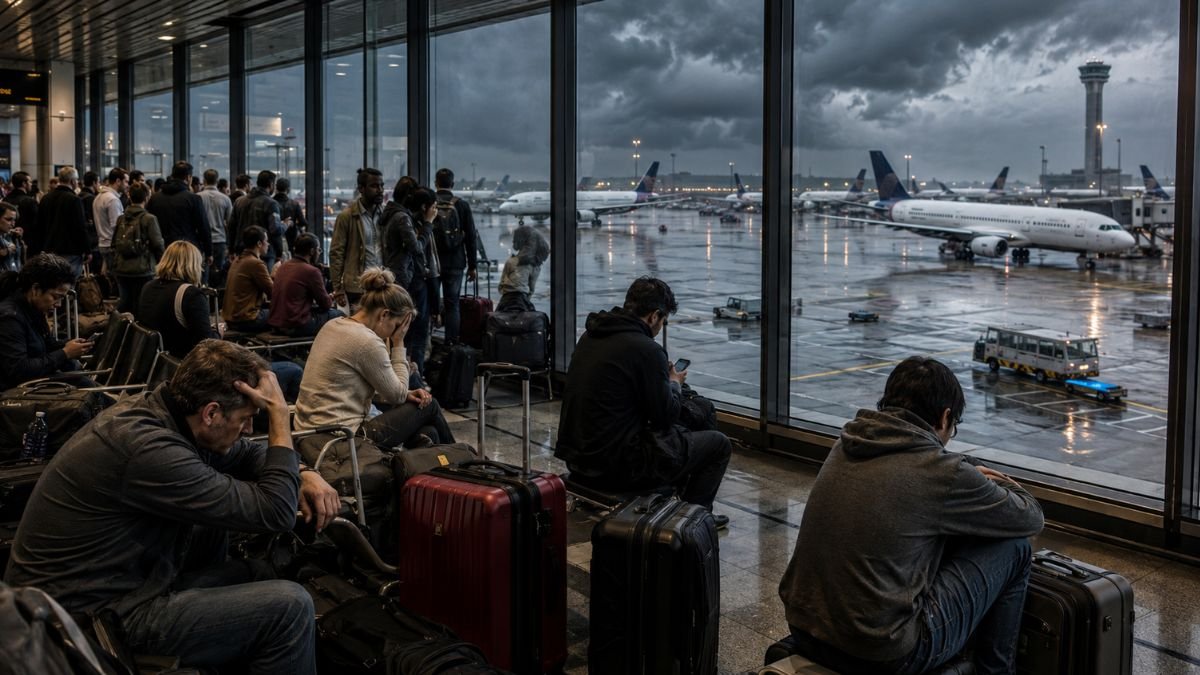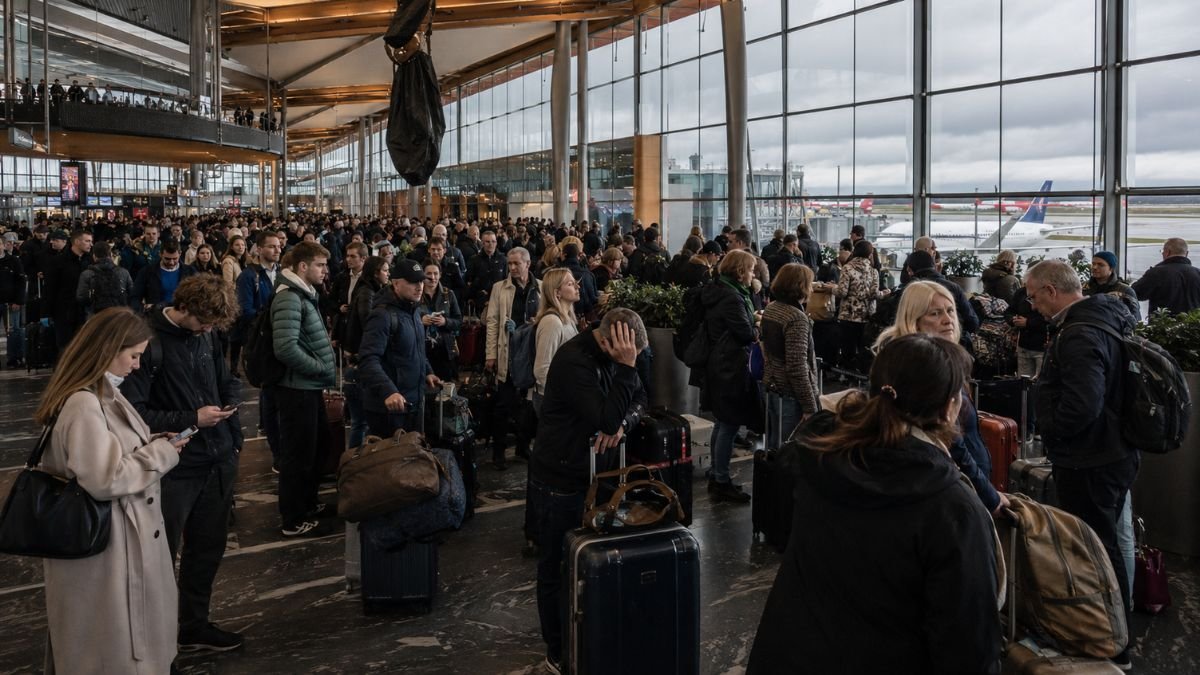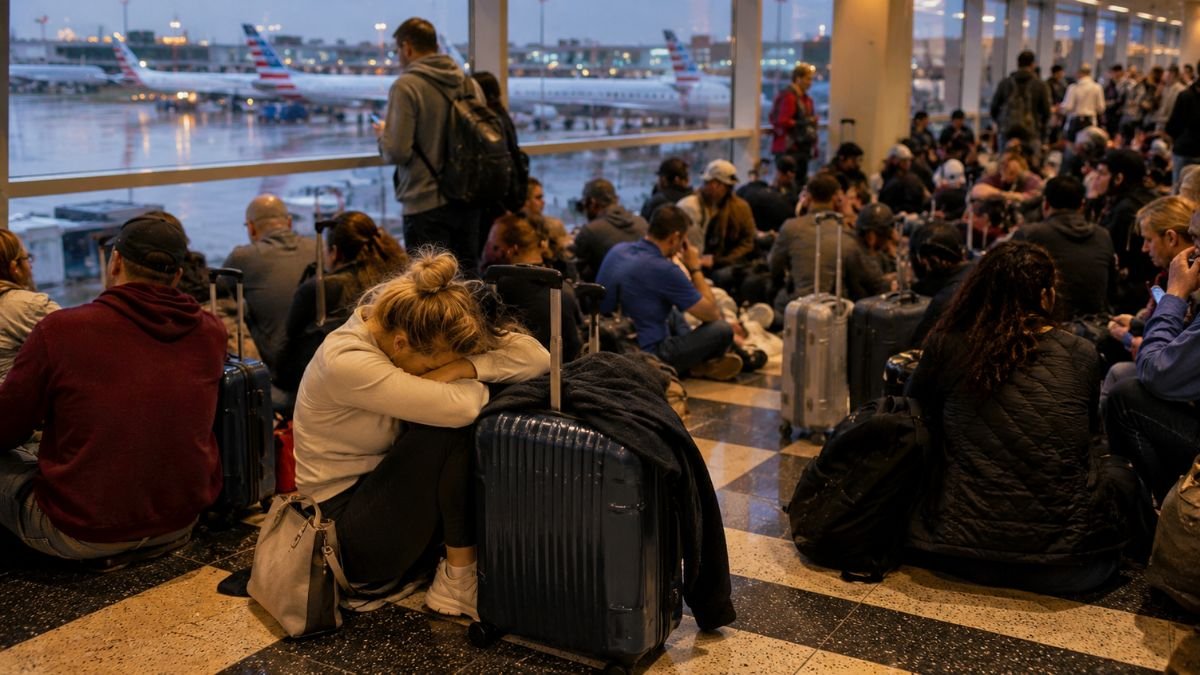

Major aviation hubs including London, New York, Hong Kong, Bangkok, and Frankfurt are facing growing travel disruption as airlines reduce flights, adjust schedules, and raise fares amid rising operational costs.
The latest wave of cancellations and service cuts is affecting international tourists, business travelers, tour operators, and hospitality businesses during a busy travel period.

Airlines across several regions are trying to balance passenger demand with higher jet fuel costs, route profitability, aircraft availability, and airport capacity pressures.
As a result, travelers are seeing fewer flight options, higher ticket prices, and sudden schedule changes on several key international routes.
London Airports Face Major Schedule Changes
London has become one of Europe’s most affected aviation markets, with Heathrow and Gatwick seeing airlines restructure schedules and consolidate selected services.

The United Kingdom’s dependence on imported jet fuel has added pressure on airline costs, making some routes more expensive to operate.
To support airlines during this difficult period, the UK government has introduced temporary slot easement measures. These allow airlines to reduce flights without immediately losing valuable long-term airport slot rights.
British Airways and Virgin Atlantic are among the major carriers adjusting frequencies on certain routes, especially across Europe and North America.
At the same time, outbound leisure fares from London to Mediterranean destinations, the Middle East, and Asia have increased, affecting summer holiday planning for many travelers.
Frankfurt Sees Lufthansa Cut European Flights
Frankfurt, another major European aviation hub, is also facing service reductions as Lufthansa scales back short-haul and regional operations. The airline group has reduced several European and domestic flights as higher fuel costs affect route profitability.
Some aircraft have reportedly been temporarily grounded while schedules are being reorganized across Germany and nearby European destinations.
These changes are affecting tourism links between Frankfurt and popular leisure markets in Southern Europe.
Tour companies offering multi-city European packages may also face pricing challenges due to reduced airline capacity. For travelers, this means earlier booking, flexible itineraries, and backup travel options are becoming more important.
New York Travelers Face Higher International Airfares
New York’s international travel market is also seeing capacity pressure. Airlines operating through John F. Kennedy International Airport and other major U.S. gateways are adjusting selected services and increasing travel costs.
Delta Air Lines, United Airlines, and American Airlines have introduced operational cost changes, including higher fuel-related surcharges on some long-haul routes. Travelers flying between North America, Europe, and Asia may now face higher overall booking costs.
In addition to airfares, passengers may also see increased baggage fees and ancillary charges as airlines try to manage fuel price volatility.
These added costs are influencing travel decisions, particularly for families and long-haul leisure travelers.
Hong Kong Airlines Reduce Regional Services
Hong Kong’s aviation sector is also under pressure as carriers reduce some regional flight frequencies and raise fuel-related charges. Cathay Pacific has scaled back part of its passenger network capacity, while HK Express has reduced selected services on regional routes.
These changes are affecting travel demand across Northeast Asia and Southeast Asia, especially among short-haul leisure travelers. With higher ticket prices and fewer flight options, some passengers are reconsidering vacation plans or delaying bookings.
Tourism operators in Hong Kong are closely watching booking trends as schedule changes continue across multiple destinations.
Bangkok Tourism Hit by Charter Flight Cancellations
Bangkok’s tourism industry is facing disruption after more than 200 Chinese charter flights were canceled due to rising airline costs. The cancellations could affect inbound tourism from China, one of Thailand’s most important visitor markets.
Thai Airways has also reduced some services across Asian routes as operating expenses rise. Hotels, tour operators, airport transfer companies, and local businesses in Bangkok are now assessing how reduced air connectivity may impact visitor arrivals.
Popular destinations connected through Bangkok may also feel the effect if regional airline cuts continue.
Global Tourism Faces a New Travel Challenge
The current flight disruption shows how strongly global tourism depends on stable aviation networks. When airlines reduce capacity, the impact spreads beyond airports. Hotels, restaurants, tour companies, event organizers, and local businesses can all feel the pressure.
Travelers are now being advised to check flight status regularly, compare alternative airports, consider flexible tickets, and keep backup plans ready. With fares rising and schedules changing, planning ahead has become more important than ever.
Conclusion
The wave of flight cancellations and schedule reductions across London, Frankfurt, New York, Hong Kong, and Bangkok highlights a growing challenge for global travel.
Rising fuel costs, reduced airline capacity, and higher airfares are reshaping tourism patterns across major international hubs.
While travel demand remains strong, passengers may face more expensive tickets, limited flight choices, and unexpected changes in the months ahead.