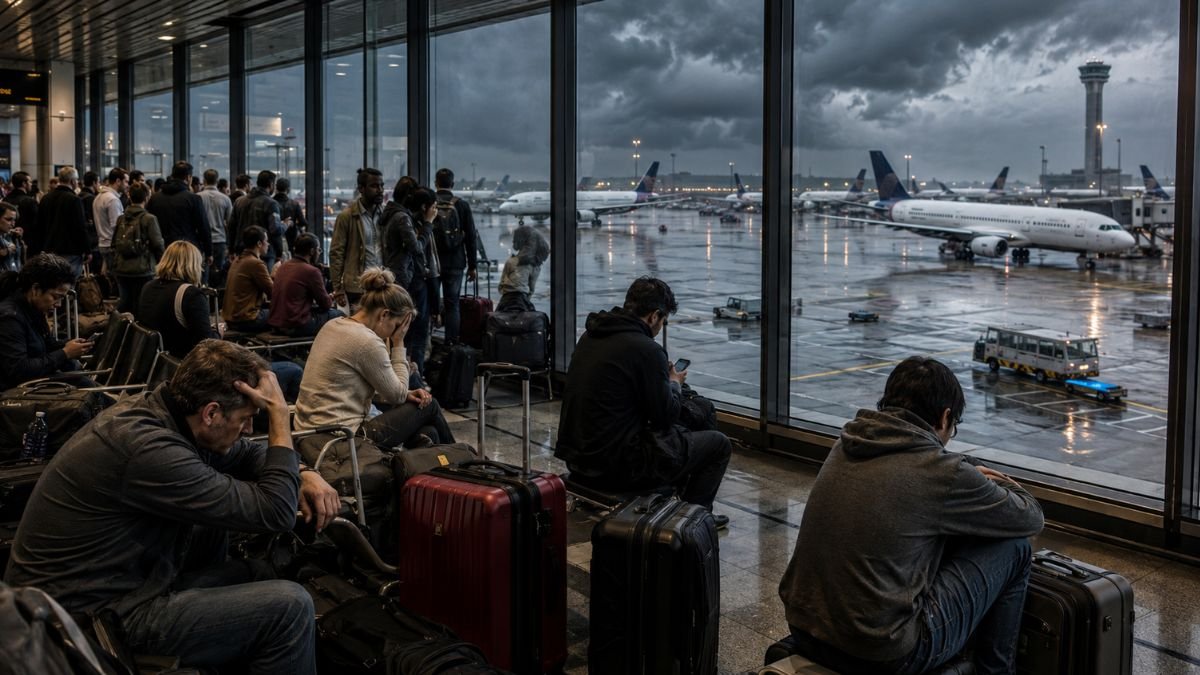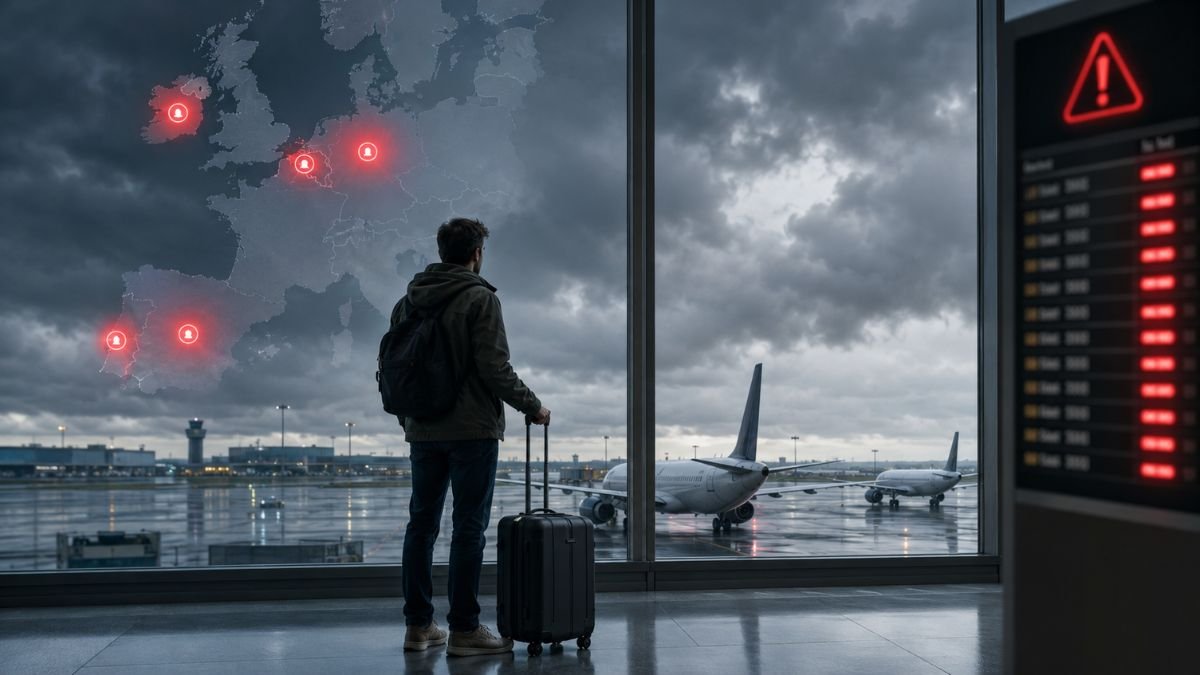
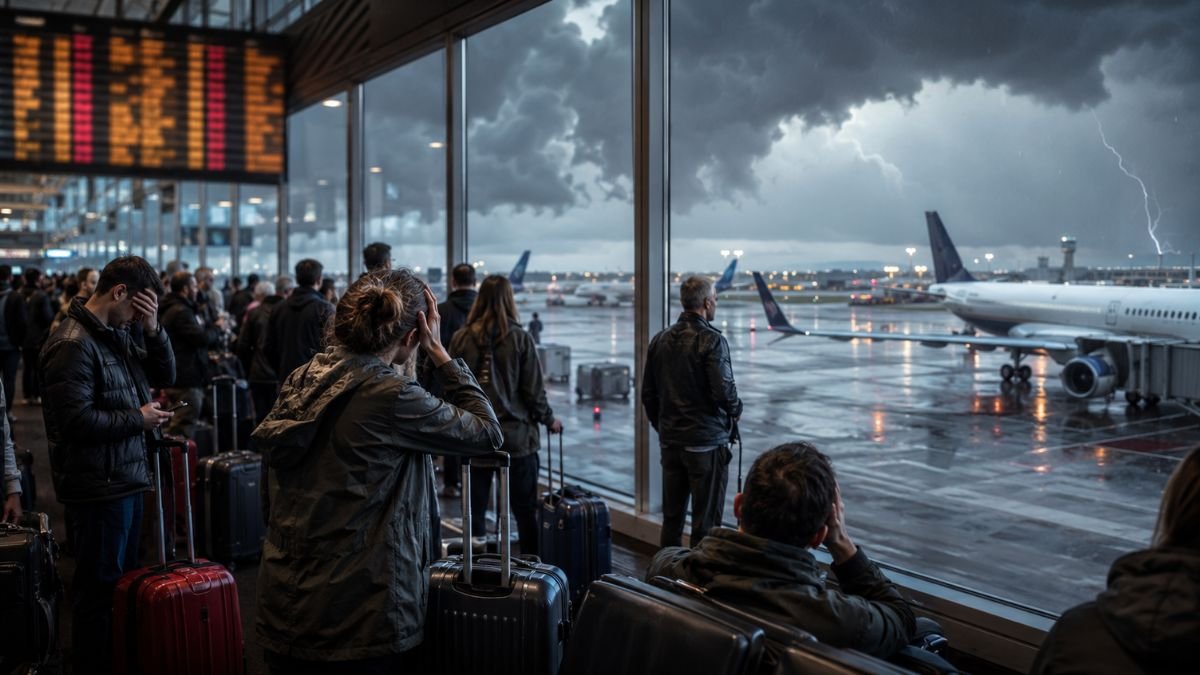
Air travel across Europe faced widespread disruption as 51 flights were cancelled and another 1,978 were delayed across several major aviation markets.
Airports in the UK, Germany, the Netherlands, Greece, Austria, Belgium, Switzerland, Sweden, Finland and Russia reported significant operational problems.
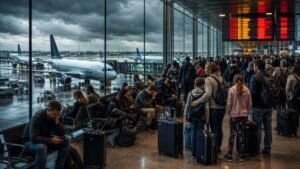
Major carriers affected included KLM, easyJet, Lufthansa, Finnair, Aegean Airlines, Austrian Airlines, Swiss and Ryanair.
Amsterdam Schiphol, Athens International, Frankfurt International and London Heathrow emerged as the main centres of disruption.
Major European Airports Report Extensive Delays
Amsterdam Schiphol Airport was the most heavily affected hub, recording 311 delays and eight cancellations. KLM services accounted for a large share of the disruption at the busy Dutch airport.

Athens International Airport followed with 252 delays. Aegean Airlines, Sky Express and Olympic Air were among the carriers experiencing operational problems at the Greek hub.
Frankfurt International Airport registered 237 delays and three cancellations. Lufthansa recorded the largest number of affected services at Germany’s biggest airport.
London Heathrow reported 148 delays and eight cancellations, disrupting journeys operated by British Airways, Virgin Atlantic, Delta Air Lines, Swiss and other international carriers.
Disruption Spreads Across Key Aviation Hubs
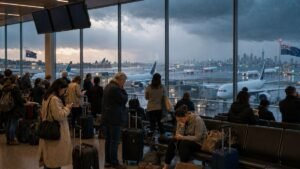
Zurich Airport recorded 149 delays and three cancellations, affecting Swiss, Helvetic Airways and Air Baltic services.
Helsinki-Vantaa Airport reported 130 delays and five cancellations, with most of the disruption involving Finnair. Brussels Airport experienced 114 delays and seven cancelled flights.
Manchester Airport registered 113 delays, although no flights were reported cancelled. London Gatwick recorded 109 delays, while Berlin Brandenburg Airport experienced 99 delays and two cancellations.
Vienna, Geneva, Stockholm and Vnukovo airports also reported schedule changes as congestion spread across the European aviation network.
KLM And EasyJet Among Most Affected Airlines
KLM and easyJet each recorded 171 delays, the highest totals among the affected airlines. KLM also reported 12 cancellations, making it the carrier with the most cancelled services.
Finnair experienced 119 delays and five cancellations, while Lufthansa recorded 109 delayed flights. Aegean Airlines reported 89 delays, and Sky Express accumulated 57.
Swiss registered 51 delays and four cancellations. Austrian Airlines recorded 48 delays and four cancellations, while Condor experienced 49 delays.
Ryanair reported 45 delays across airports including Berlin, Manchester, Gatwick, Vienna and Athens. Olympic Air and Air Baltic were also affected.
Why Are Flights Being Cancelled Across Europe?
European flight disruptions can result from several overlapping factors. These include airport congestion, changing weather, crew shortages, aircraft rotation problems and air traffic control restrictions.
A delay at one major hub can quickly affect flights across several countries because aircraft and crews operate multiple services each day. Airlines may also cancel selected flights to prevent disruption from spreading further across their networks.
What Affected Passengers Should Do
Passengers should regularly check airline websites and mobile applications for updated departure information. Those facing cancellations should contact their airline to discuss rebooking or refund options.
Travellers should keep boarding passes and receipts for meals, accommodation and transport expenses. They should also review passenger-rights rules to determine whether compensation or additional assistance may be available.
Allowing extra time at the airport and avoiding tight onward connections could reduce further travel difficulties.
Conclusion
The cancellation of 51 flights and delay of 1,978 services created widespread disruption across Europe’s busiest airports. Amsterdam, Athens, Frankfurt and London were among the most affected locations, while KLM, easyJet, Finnair and Lufthansa reported extensive operational problems.
Flight figures may continue changing as airlines adjust their schedules. Passengers should monitor official updates and remain flexible while travelling through affected European airports.