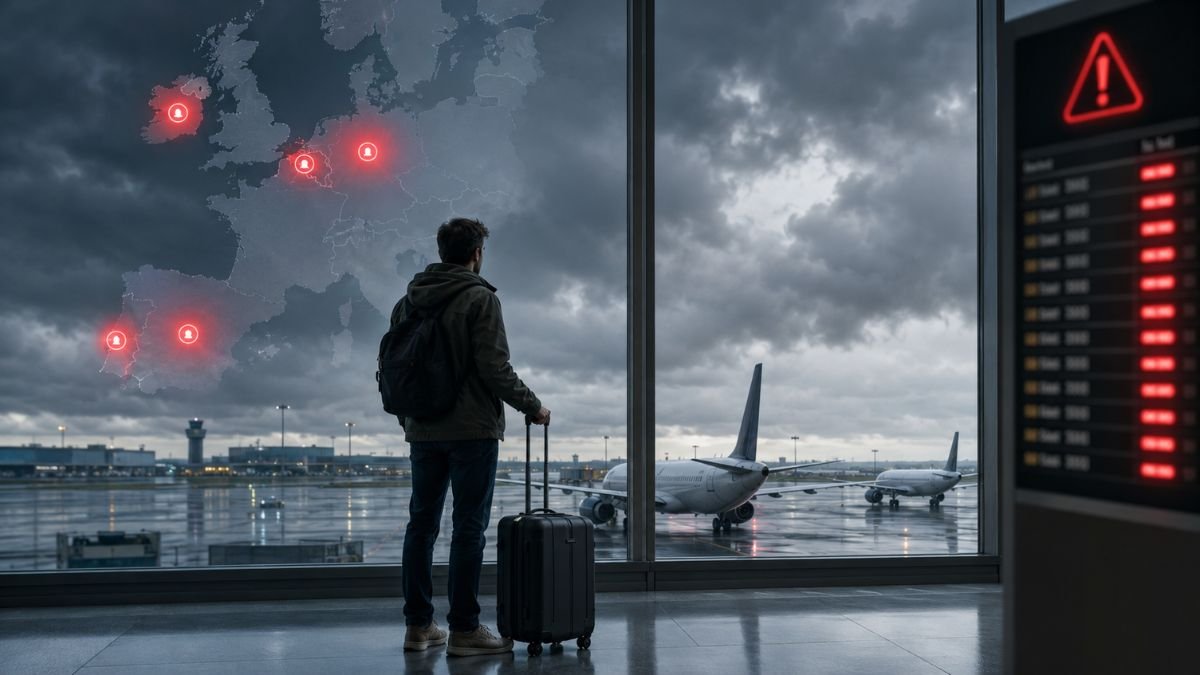
Air travel across Europe faced serious disruption on May 12, 2026, as Belgium, Portugal, Spain, Ireland and Germany reported widespread flight cancellations and delays.
According to the reported figures, around 230 flights were cancelled and 1,284 flights were delayed, affecting major airports including Brussels, Porto, Madrid, Dublin, Amsterdam, Heathrow, Frankfurt and Manchester.
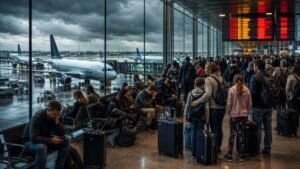
The disruption impacted several major airlines, including Ryanair, Vueling, KLM, Pegasus, British Airways, Lufthansa and others.
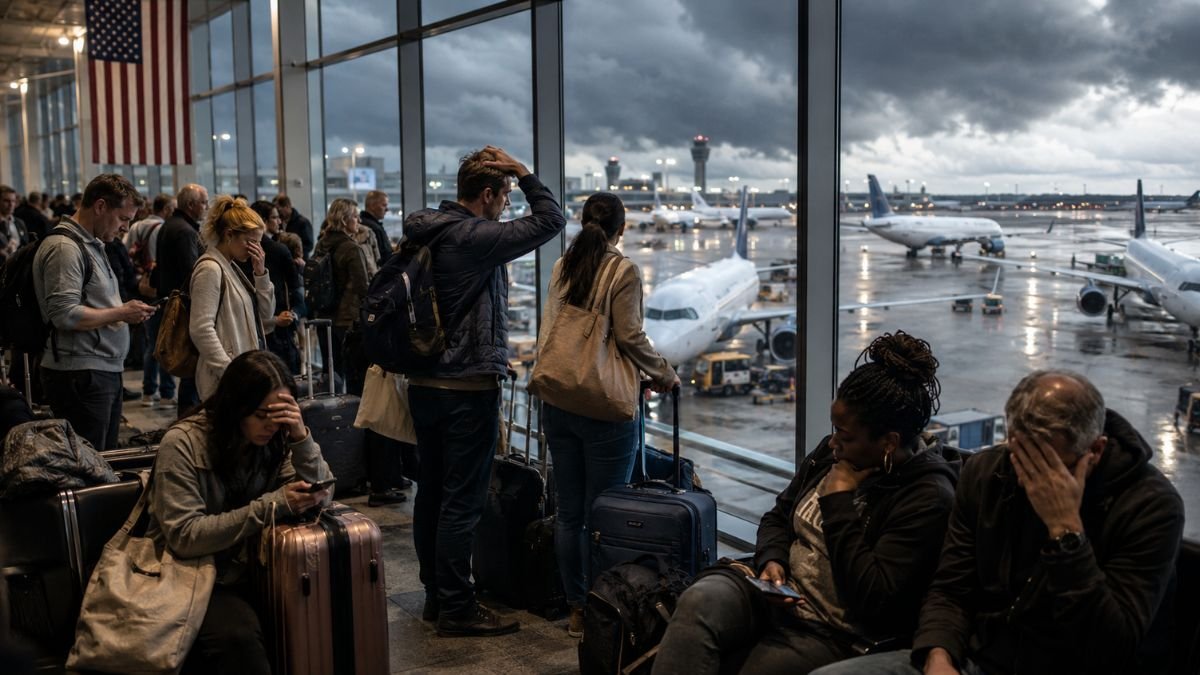
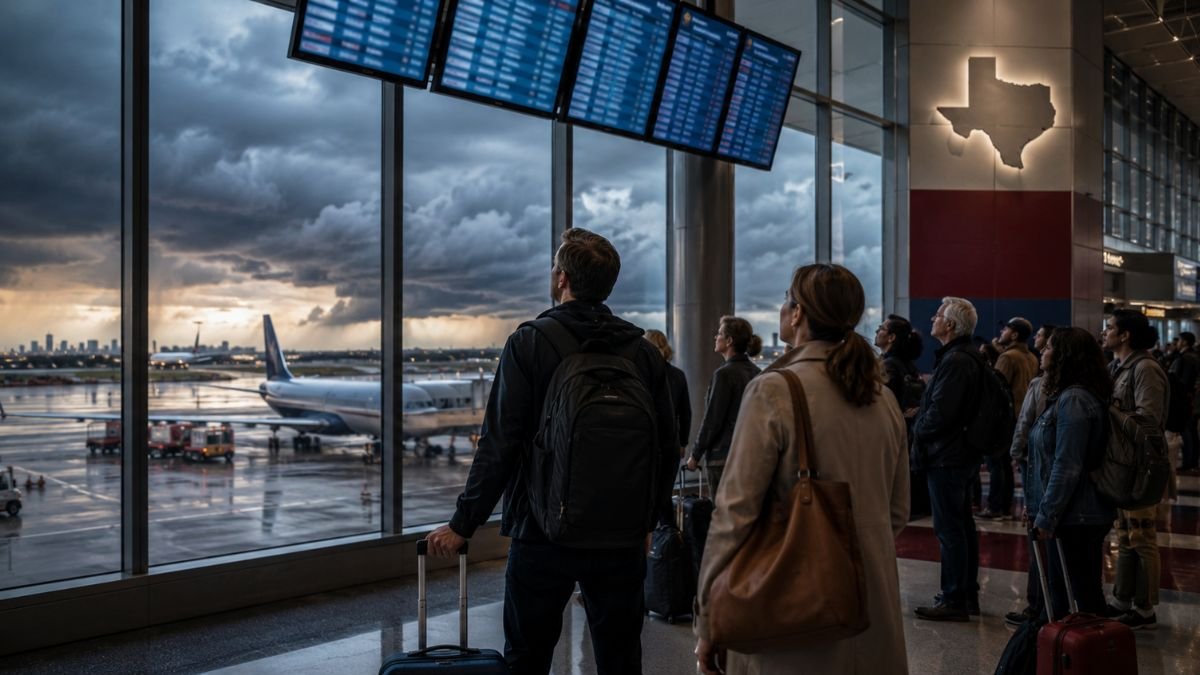
Thousands of travellers were left dealing with long queues, sudden schedule changes, missed connections and uncertainty over rebooking options.
The heaviest disruption was linked to a nationwide strike in Belgium, where workers protested over pension reforms, purchasing power concerns and wider socio-economic issues.
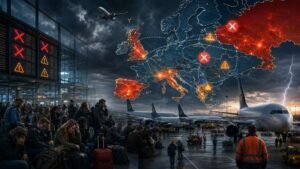
The industrial action affected not only airports but also public transport and national rail services, making it harder for passengers to reach terminals or make alternative travel plans.
Belgium Strike Triggers Major Airport Shutdowns
Belgium became one of the worst-hit countries during the disruption. The nationwide strike, supported by major union groups, placed significant pressure on airport operations and staffing levels.
Brussels South Charleroi Airport reportedly faced a complete shutdown, with all flights cancelled for the day. The airport’s closure caused major disruption for passengers travelling on low-cost and regional routes.
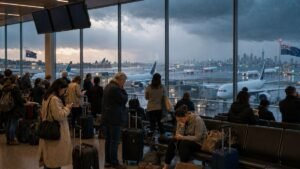
Brussels Airport also experienced serious operational problems, with hundreds of departures reportedly cancelled or delayed. As Belgium’s busiest airport, any disruption at Brussels quickly created knock-on effects across connecting routes and wider European air traffic.
Public transport in Brussels was also affected, with metro, bus and tram services disrupted. This made the situation even more difficult for travellers trying to reach airports or leave after cancellations.
Airports Across Europe Report Cancellations and Delays
The disruption spread beyond Belgium, affecting several major European aviation hubs. Airports in the Netherlands, Spain, Germany and the United Kingdom also reported delays and cancellations.
Amsterdam Schiphol recorded multiple cancellations and a high number of delays, while London Heathrow also faced operational pressure. Madrid-Barajas reported significant delays, affecting passengers travelling to and from Spain.
Frankfurt Airport, Germany’s busiest air hub, also saw disruptions, while Manchester Airport added further delays to the wider European travel network.
These disruptions show how one major strike or operational issue can quickly affect flight rotations, crew availability and airport schedules across multiple countries.
Airlines Most Affected by the Travel Chaos
Several major airlines were caught in the disruption. Ryanair appeared to be among the most affected, with 129 cancellations and 333 delays reported across its European network.
Vueling Airlines also faced pressure, with 11 cancellations and 130 delays, affecting travellers on Spanish and European routes.
KLM reported 4 cancellations and 101 delays, while Lufthansa recorded 2 cancellations and 98 delays. British Airways also faced disruption, with 3 cancellations and 50 delays.
The scale of these delays created problems for both short-haul passengers and those with connecting international flights.
What Passengers Should Do Now
Travellers affected by cancellations or delays should first check their airline’s official website, mobile app, email alerts and SMS updates. Flight schedules can change quickly during strike-related disruption, so real-time information is essential.
Passengers should also contact the airline for rebooking, refund or rerouting options. Under EU261 rules, travellers may be entitled to refunds or alternative flights in many cases.
However, compensation may depend on the reason for the disruption, especially when strikes are involved.
Those facing long delays should keep receipts for food, transport and accommodation, as some costs may be claimable depending on airline policy and passenger rights. Travellers should also consider alternative airports, rail options or different carriers where available.
Conclusion
The cancellation of 230 flights and delay of 1,284 more has created major travel disruption across Europe, with Belgium, Portugal, Spain, Ireland and Germany among the affected regions.
The Belgian strike intensified pressure at Brussels airports, while the impact spread to other major hubs including Madrid, Amsterdam, Heathrow, Frankfurt and Manchester.
Passengers flying with Ryanair, Vueling, KLM, Lufthansa, British Airways and other affected airlines should continue checking real-time updates and remain flexible with travel plans.
As operations may change throughout the day, staying informed, knowing passenger rights and exploring alternative routes are the best ways to manage the disruption.