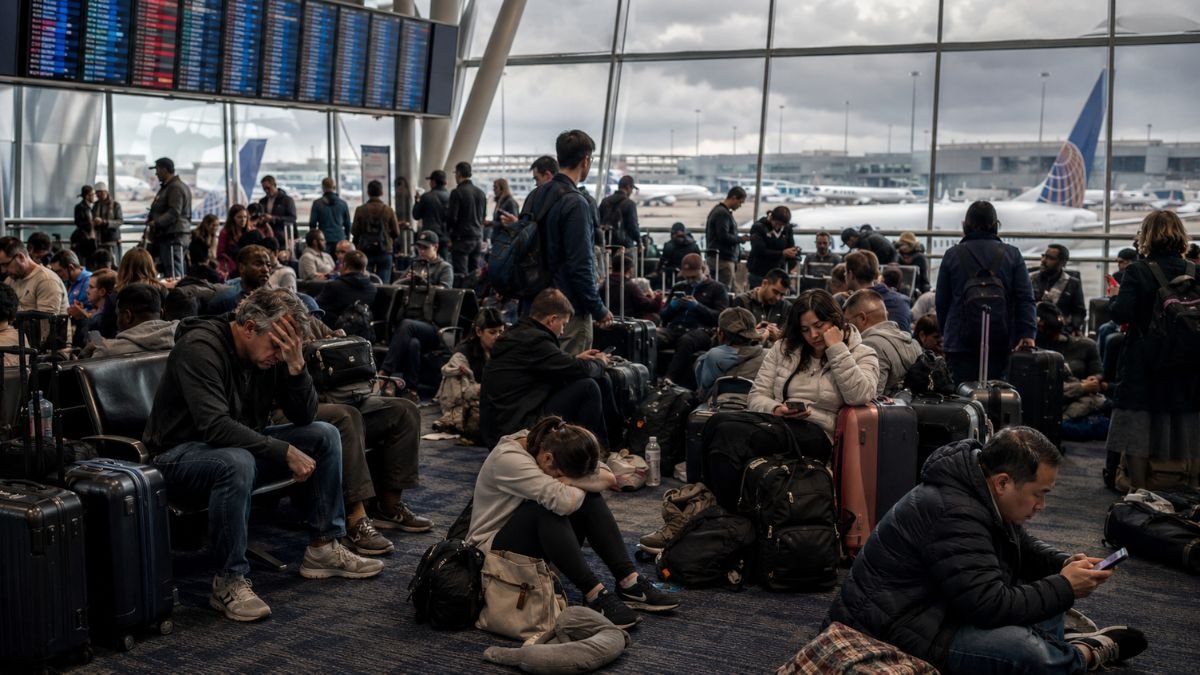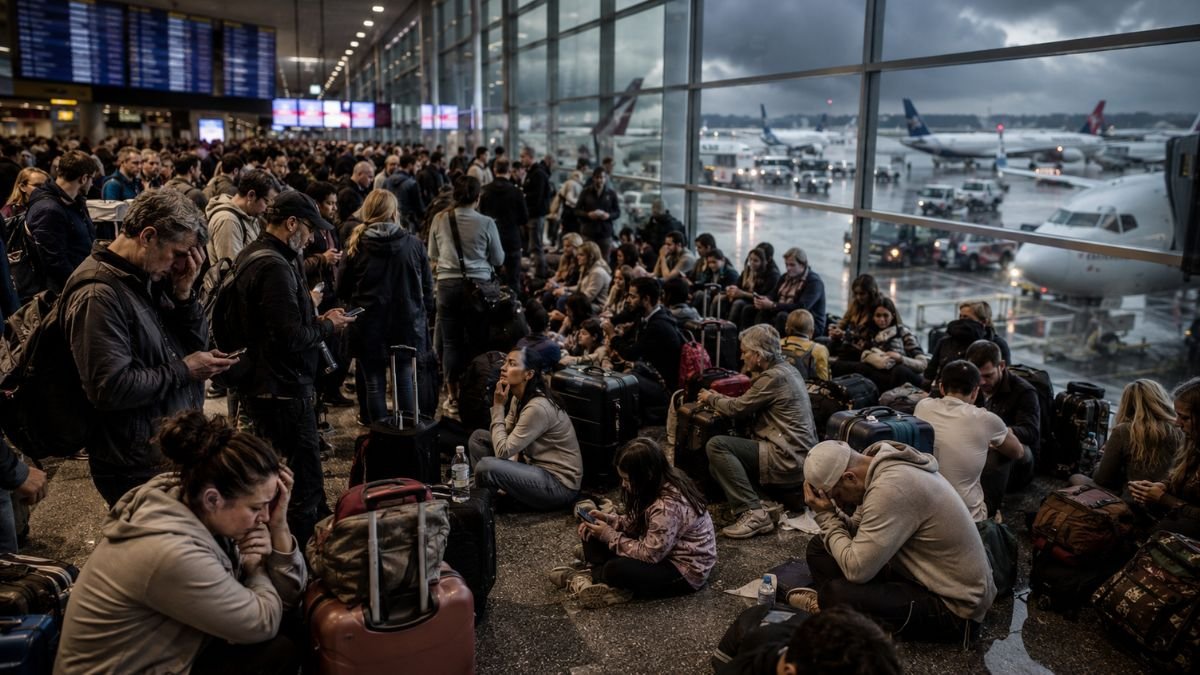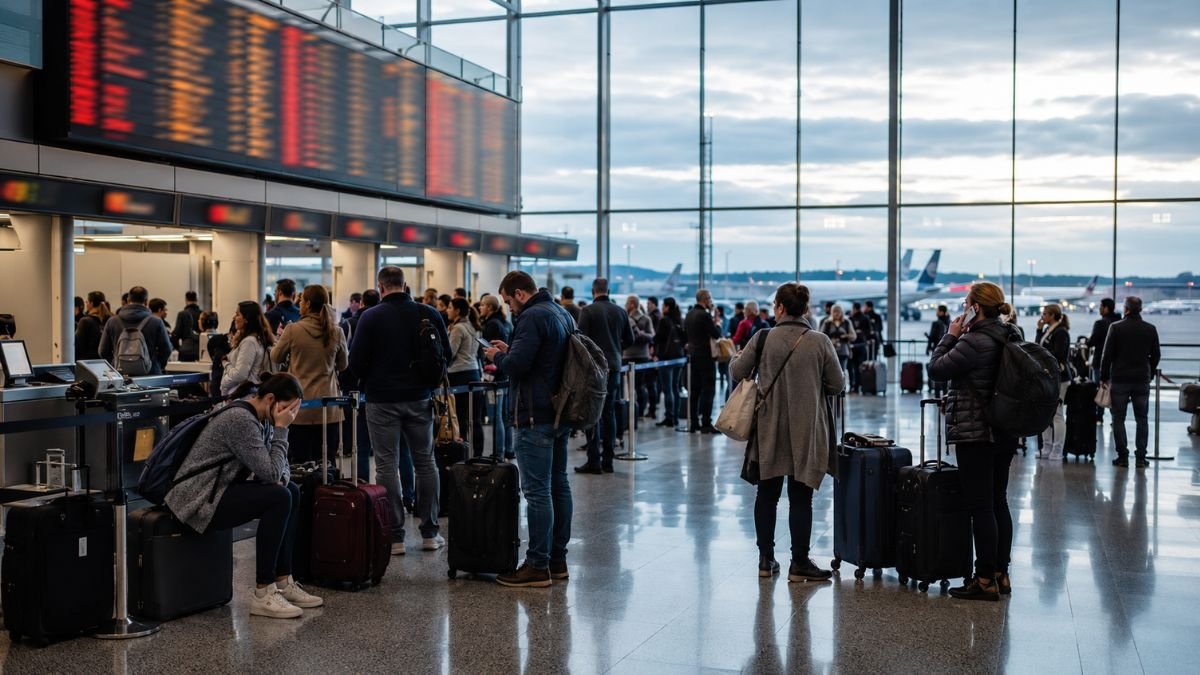
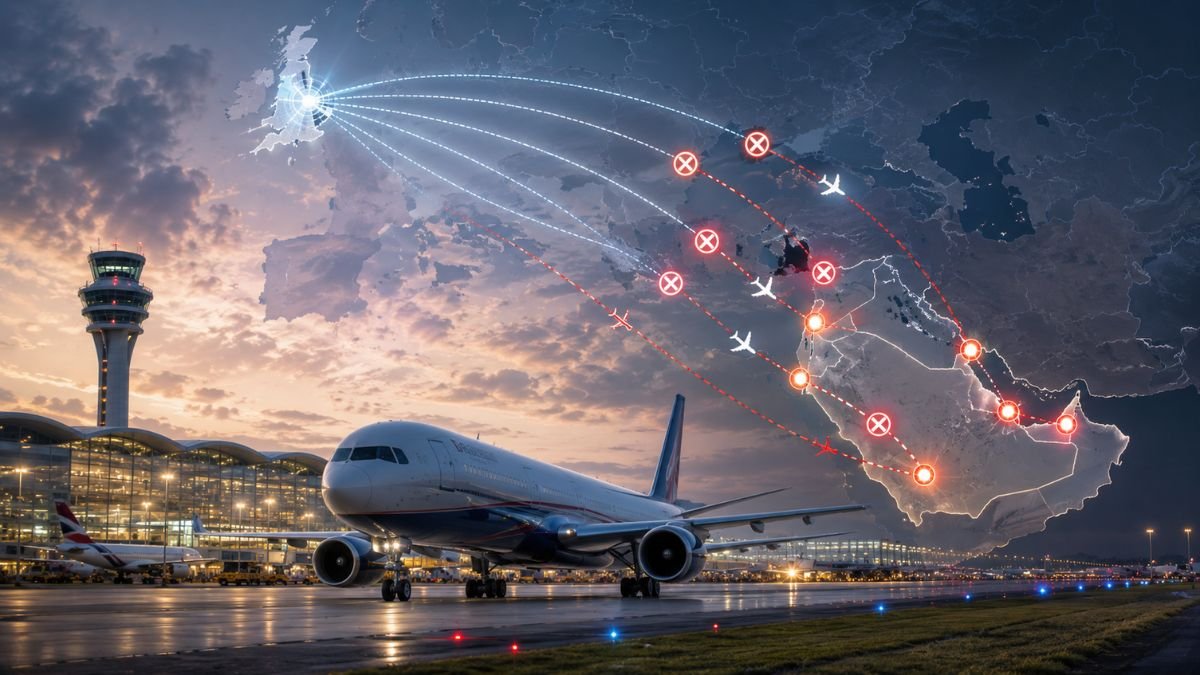
London Heathrow is facing major travel disruption as escalating tensions in the Middle East and widespread airspace closures continue to affect flights between the UK and several key regional hubs.
Routes connecting Heathrow with Riyadh, Dubai, Doha, Tel Aviv, Amman, Abu Dhabi, Bahrain and Jeddah have been among those impacted, creating uncertainty for passengers, airlines and travel managers.
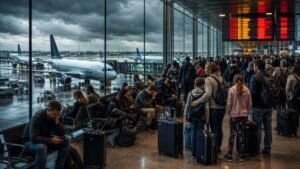
The disruption has led to flight cuts, suspensions, cancellations, delays and rerouted journeys. For travelers moving between Europe, the Gulf and wider international destinations, the situation has caused longer travel times, fewer available options and increased pressure on airline operations.
Middle East Airspace Closures Affect Global Aviation
The aviation impact is being driven by regional airspace restrictions linked to rising geopolitical tension. When major air corridors close or become unsafe, airlines must either cancel services or use alternative routes that are often longer and more expensive.
This affects not only direct passengers traveling to the Middle East, but also those using Gulf airports as connecting hubs for Asia, Africa and other regions.

Airports such as Dubai, Doha and Abu Dhabi play a central role in global travel, so disruption in these areas can quickly create a wider ripple effect.
Business travelers, tourists, pilgrims and diplomatic passengers are among the groups facing last-minute changes.
Heathrow Issues Travel Advisory
In response to the disruption, London Heathrow advised passengers to check directly with their airlines for the latest flight information before traveling to the airport.
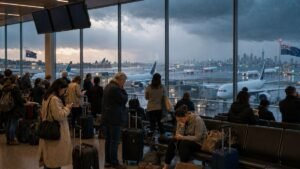
The airport also confirmed support measures for affected passengers, including waived parking charges for customers whose return flights were delayed or canceled.
The situation has been made more difficult by planned transport disruption in London. Engineering works on the Piccadilly Line during May 9 and May 10 were expected to affect access to Heathrow, forcing some passengers to rely on alternatives such as the Elizabeth Line, Heathrow Express, taxis or private transfers.
For passengers already dealing with flight uncertainty, local transport changes added another layer of planning pressure.
Key Routes Facing Disruption
Several major Heathrow routes have been affected by the crisis.
The London Heathrow to Riyadh route has been heavily disrupted as Saudi Arabia faces airspace-related restrictions. This has affected business passengers, tourists and travelers with connections across the Kingdom.
Flights to Dubai have also faced cancellations and reductions. As one of the world’s busiest aviation hubs, Dubai’s disruption has created challenges for passengers connecting through the UAE to other destinations.
The Heathrow to Doha route has also seen delays and schedule changes, affecting travelers using Qatar as a gateway to Asia, Africa and the Gulf region.
Flights to Tel Aviv have been disrupted due to regional instability, affecting business, diplomatic and personal travel between the UK and Israel.
Other affected routes include Amman in Jordan, Abu Dhabi in the UAE, Bahrain and Jeddah in Saudi Arabia. The Jeddah route is especially important for pilgrimage, tourism and business travel.
Travelers Face Delays, Rerouting and Higher Costs
As airlines adjust their operations, passengers may face longer journeys, fewer available seats and higher travel costs. Rerouting around closed airspace often adds time and fuel expenses, which can affect both airline schedules and ticket availability.
Passengers may also need to change hotel bookings, rearrange meetings, extend visas or adjust onward travel plans. Those traveling for urgent business, family reasons or religious purposes may be especially affected by the uncertainty.
Global Mobility Managers Under Pressure
For companies with employees traveling across the Middle East, the disruption highlights the need for strong contingency planning. Mobility teams may need to arrange alternative routes, support visa extensions, update travel documents and monitor airline changes in real time.
Travel managers are being advised to keep checking flight status tools, prepare backup routes, brief travelers on transport alternatives and allow extra time for journeys to and from Heathrow.
Final Thoughts
The flight cuts and suspensions at London Heathrow show how quickly regional conflict can affect global aviation.
Routes to Saudi Arabia, the UAE, Qatar, Bahrain, Jordan and Israel are not only important for tourism, but also for business, diplomacy, pilgrimage and international connections.
Until airspace restrictions ease and regional conditions stabilize, passengers should expect continued uncertainty.
Checking airline updates, allowing extra travel time and preparing backup plans will be essential for anyone traveling between London and the Middle East.