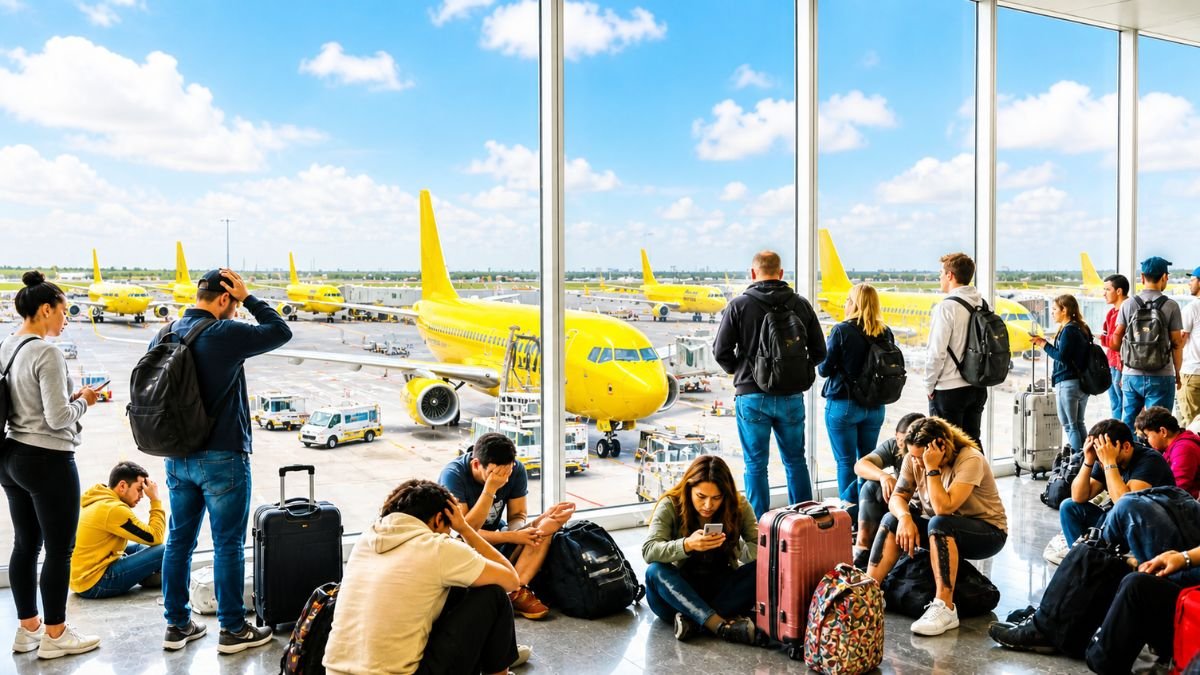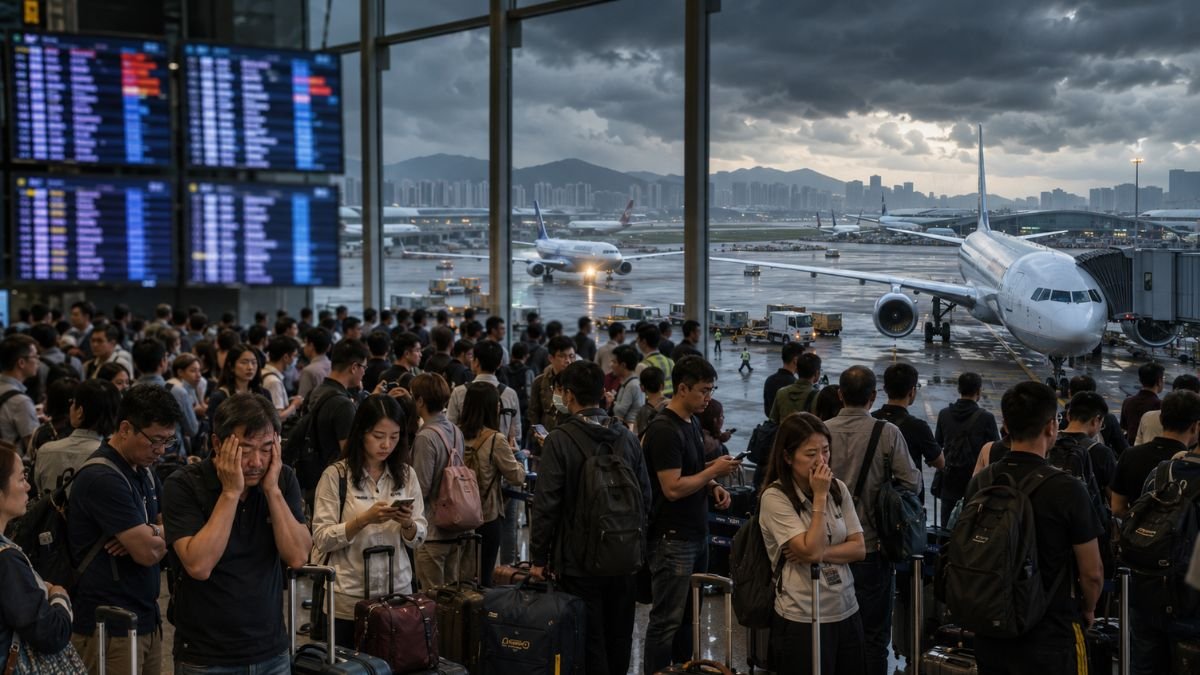
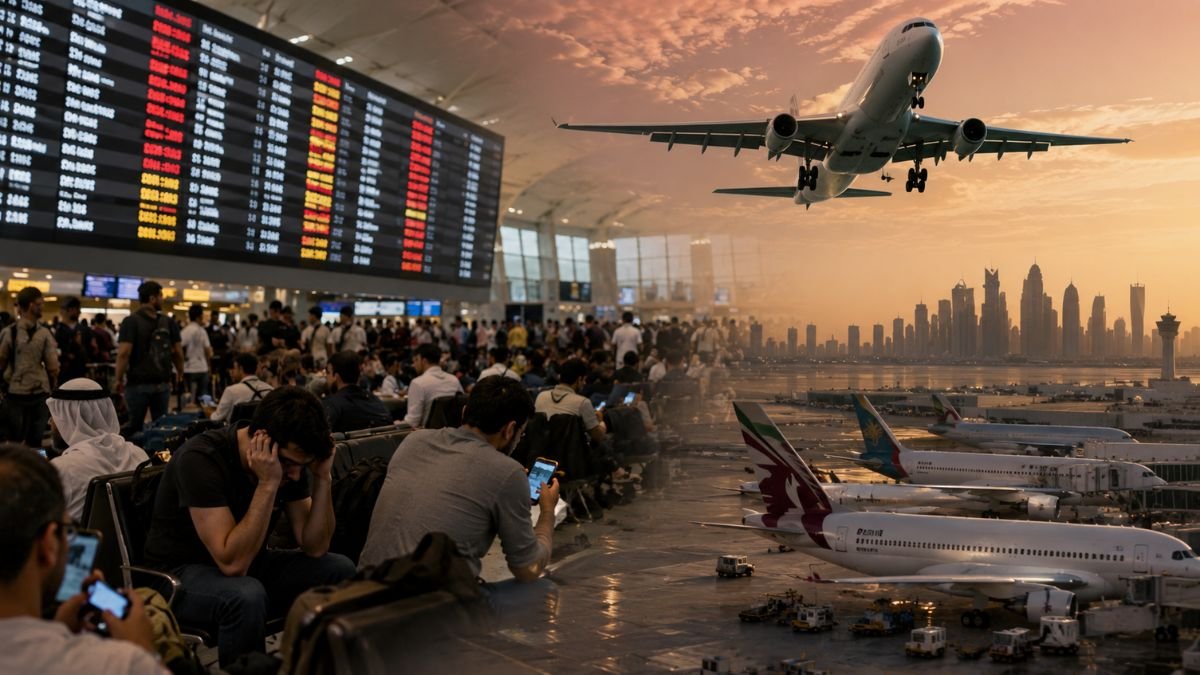
Air passengers across the Middle East faced a difficult travel day on June 9, 2026, after several major airports recorded widespread cancellations and delays.
According to flight tracking data, a combined total of 20 flights were cancelled and 185 flights were delayed across Qatar, the UAE, Saudi Arabia and Iraq.

The disruptions affected some of the region’s busiest aviation hubs, including Doha, Dubai, Riyadh and Erbil.
Major airlines such as Qatar Airways, FlyDubai, Saudia and several regional and international carriers were impacted, leaving passengers dealing with longer waits, missed connections and changed travel plans.
Doha Records Cancellations And Delays
Hamad International Airport in Doha, one of the Middle East’s most important transit hubs, reported 8 flight cancellations and 61 delays. Qatar Airways saw the largest impact at the airport, with several services affected throughout the day.

Other airlines operating through Doha, including Air India, Air India Express, Gulf Air, IndiGo, Egypt Air and Himalaya Airlines, also recorded delayed flights.
For passengers using Doha as a connecting point, the delays created uncertainty and forced many travellers to closely monitor updated departure times.
Dubai Becomes Most Delayed Hub
Dubai International Airport reported 7 cancellations and 71 delays, making it the most heavily delayed airport among the affected hubs. FlyDubai was among the airlines hit by cancellations, while Emirates and several other carriers also saw delays.

Because Dubai is one of the world’s busiest international airports, even moderate disruption can create wider effects across long-haul and regional routes. Passengers travelling through Dubai were advised to check airline apps and airport departure boards before heading to the terminal.
Riyadh And Erbil Also Affected
King Khalid International Airport in Riyadh recorded 2 cancellations and 50 delays. Saudia, Flynas, FlyDubai, Etihad Airways, Egypt Air, Turkish Airlines and other airlines experienced schedule adjustments at the Saudi capital’s main airport.
Erbil International Airport in Iraq also reported disruption, with 3 cancellations and 3 delays. Qatar Airways, UR Airlines and Pegasus Airlines were among the carriers affected at the airport.
Tourism And Passenger Confidence May Be Hit
The disruption could temporarily affect traveller confidence across the region, especially for passengers who depend on tight connections through Doha and Dubai.
Business travellers, tourists and transit passengers may become more cautious when booking short layovers if disruptions continue.
However, the Middle East remains one of the strongest aviation regions in the world. With advanced airport infrastructure and major airline networks, normal operations are usually restored quickly once disruption eases.
What Passengers Should Do
Affected travellers should check live flight status through airline websites, mobile apps and official airport departure boards. If a flight is cancelled, passengers may usually request rebooking on the next available service or seek a refund, depending on airline policy.
For long delays, airlines may provide meal vouchers, hotel accommodation or transport support when duty-of-care rules apply. Travellers should also keep receipts and airline delay confirmations for possible travel insurance claims.
Conclusion
The latest Middle East flight disruption caused 20 cancellations and 185 delays across Qatar, the UAE, Saudi Arabia and Iraq. With Doha, Dubai, Riyadh and Erbil all affected, passengers faced widespread schedule changes.
Travellers are strongly advised to monitor real-time updates, stay flexible and contact their airline before travelling to the airport.