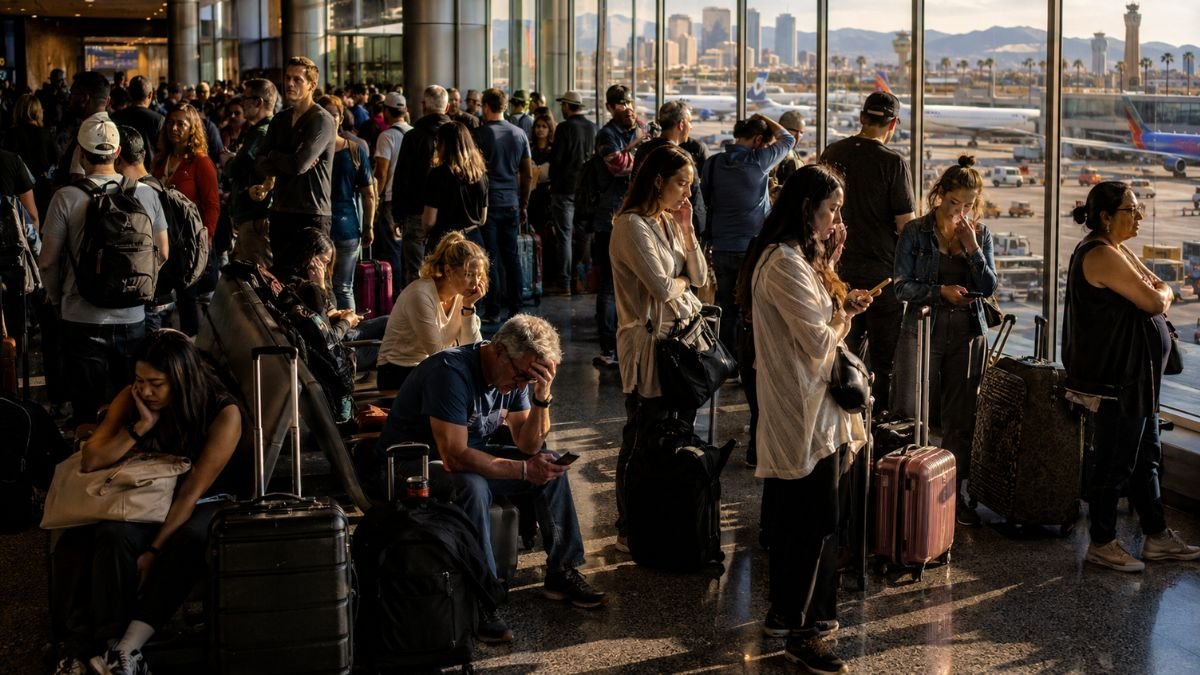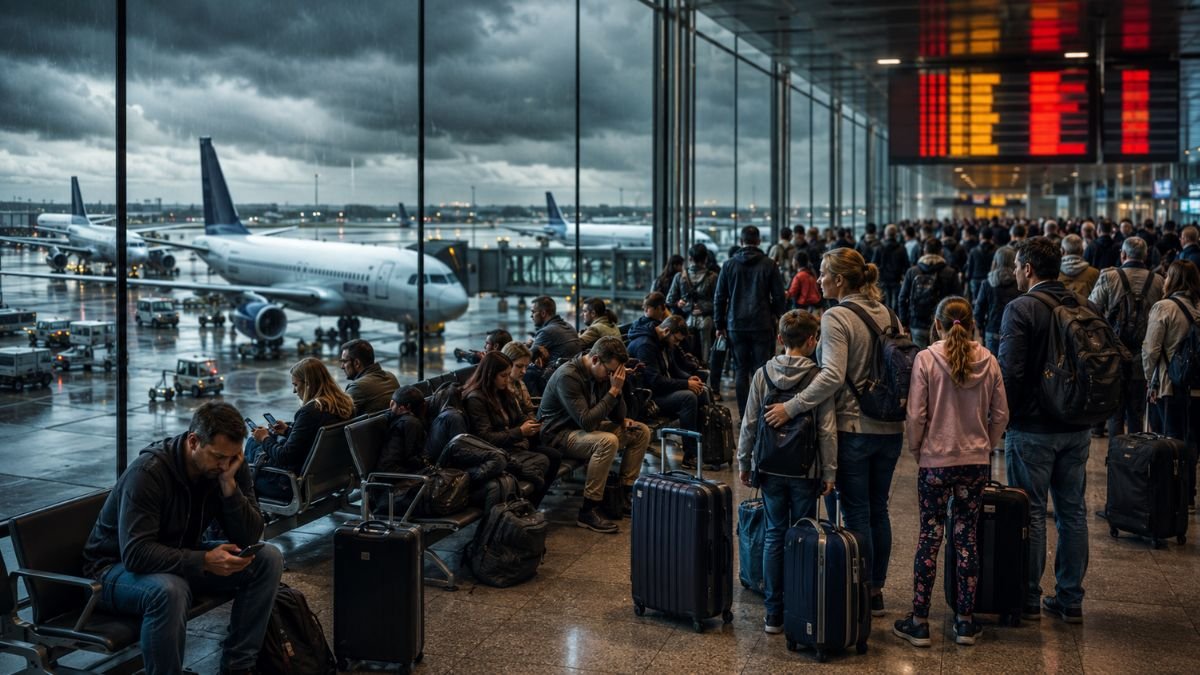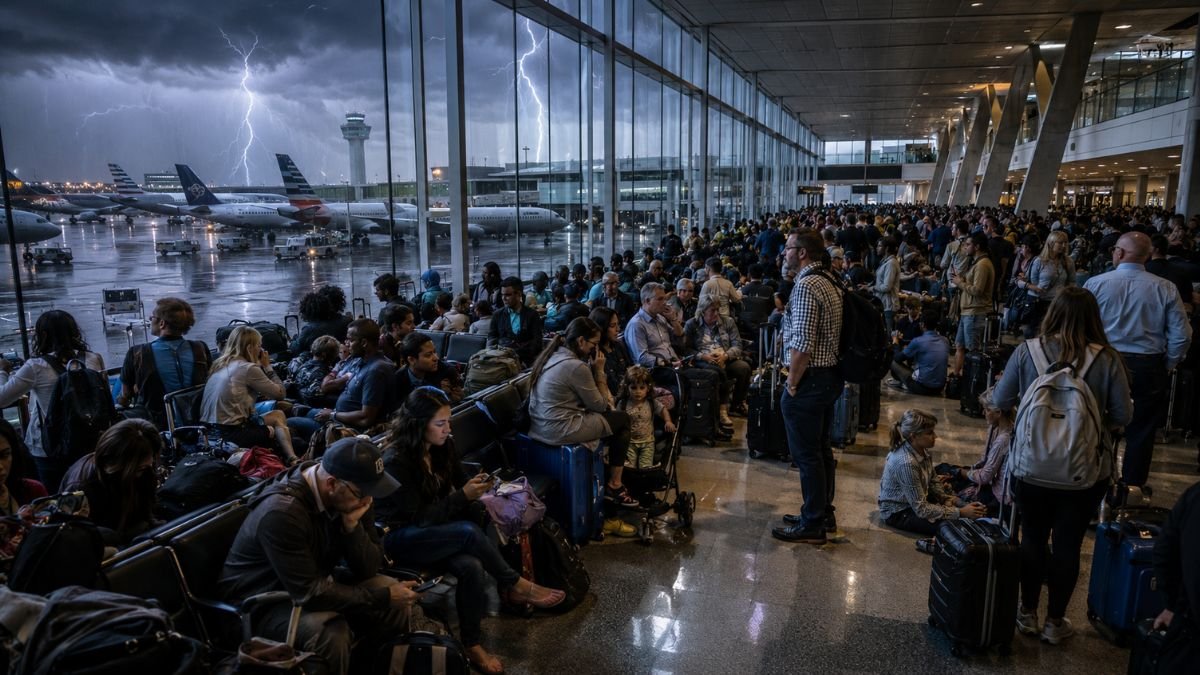
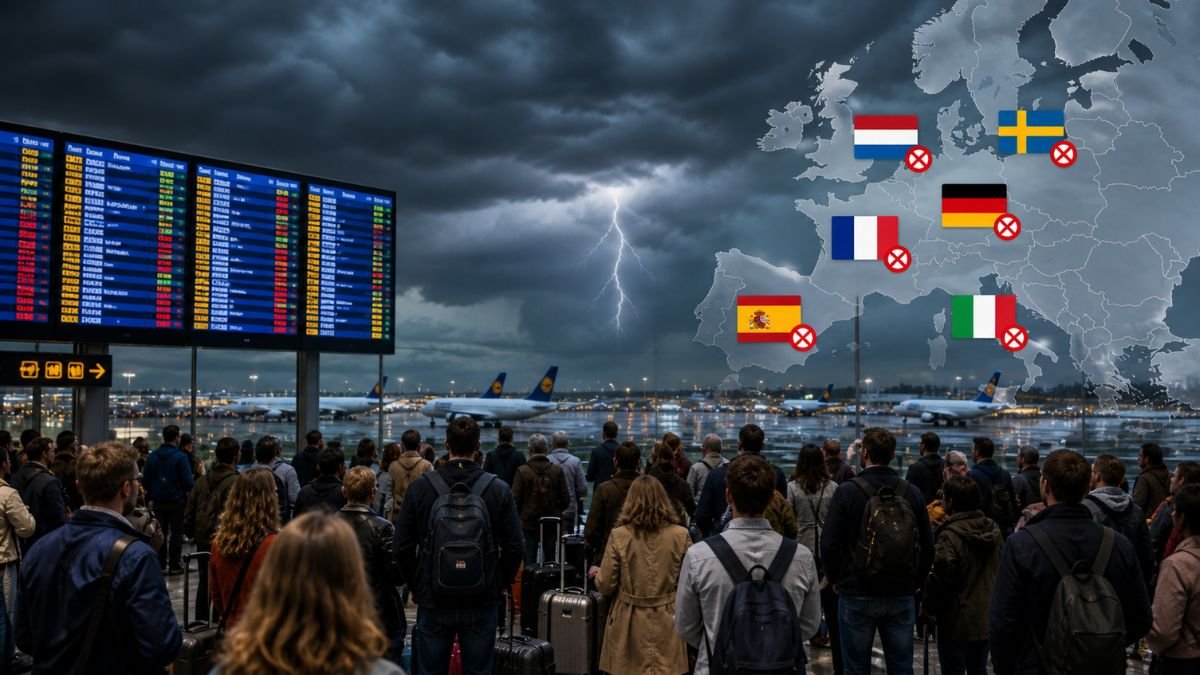
Europe is entering a turbulent travel season as multiple countries—including the Netherlands, Italy, Spain, Sweden, Germany, France, and Belgium—face widespread flight disruptions.
A combination of jet fuel shortages, rising operational costs, and digital border system issues is creating long delays and uncertainty for travelers across the continent.
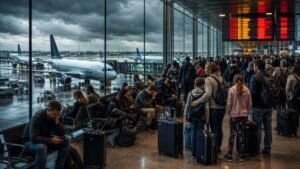
With summer 2026 approaching, these challenges are expected to impact millions of passengers flying within and into Europe. Major airports are already experiencing congestion, while airlines struggle to maintain schedules.
Jet Fuel Shortage Hits Netherlands, Germany, France and Beyond
One of the main causes behind the current flight disruptions is the shortage of jet fuel across Europe. This issue has been triggered by ongoing geopolitical tensions affecting global oil supply routes.
Countries such as Germany and the Netherlands are among the hardest hit due to their role as major aviation hubs. Airlines based in these nations, including Lufthansa and KLM, have already reduced flight schedules significantly.
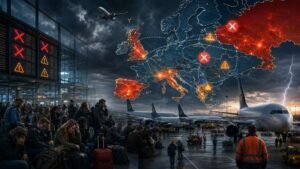
France is also facing operational challenges, with Air France adjusting routes and managing limited fuel supplies. In Italy and Spain, airlines have started cutting flights to popular destinations, while smaller airports are introducing fuel rationing measures.
Sweden and Belgium are experiencing similar problems, particularly at key airports like Stockholm Arlanda and Brussels Airport, where flight frequencies have been reduced.
Rising Flight Costs Across Italy, Spain and Germany
As fuel prices continue to rise, airlines are passing these costs on to passengers. Travelers flying across Italy, Spain, and Germany are already seeing a sharp increase in ticket prices.
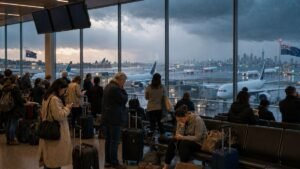
Airfares have surged on both domestic and international routes, with some prices doubling compared to previous years. Many airlines have also added fuel surcharges, increasing the overall cost of travel.
In Spain, carriers such as Iberia and Vueling have limited flight options, especially to high-demand destinations. In Italy, reduced flight availability has made it more difficult for passengers to find affordable travel options.
Digital Border System Delays in France, Belgium and Spain
In addition to fuel-related challenges, a new digital border entry system is causing delays at airports across France, Belgium, Spain, and other Schengen countries.
The system, which requires biometric data collection from non-EU travelers, has led to long queues and processing issues. Airports in Paris, Madrid, and Brussels have reported significant delays, particularly during peak travel hours.
Many airports are still adapting to the new technology, resulting in bottlenecks at entry points. Passengers have reported missing connecting flights due to extended waiting times at immigration checkpoints.
Airlines Adjust Flights Across Sweden, Netherlands and Europe
Airlines operating in Sweden, the Netherlands, and other European countries are taking steps to manage the situation. These include reducing flight frequencies, adjusting schedules, and prioritizing key routes.
KLM in the Netherlands has reduced flights to major hubs like London and Paris, while Swedish carriers are limiting operations due to fuel constraints. Across Europe, airlines are focusing on maintaining essential routes while minimizing disruptions.
These changes are expected to continue throughout the summer, depending on how the fuel supply situation evolves.
What Travelers Should Expect in Summer 2026
Travelers planning trips to the Netherlands, Italy, Spain, Germany, France, Belgium, and Sweden should prepare for a challenging travel experience.
- Longer wait times: Airports are expected to remain crowded due to border delays
- Higher flight prices: Increased fuel costs will continue to impact ticket prices
- Possible cancellations: Flight schedules may change frequently
- Need for flexibility: Travelers should consider flexible bookings and alternative routes
Arriving early at airports and staying updated on flight status will be essential to avoid disruptions.
Conclusion
The combination of jet fuel shortages, rising costs, and digital border system issues has created a perfect storm for European air travel. Countries such as the Netherlands, Italy, Spain, Sweden, Germany, France, and Belgium are all facing significant flight disruptions.
While the situation presents clear challenges, travelers who plan ahead and remain flexible can still navigate the difficulties.
As Europe works to stabilize its travel infrastructure, passengers should stay informed and prepared for an unpredictable but manageable travel season.