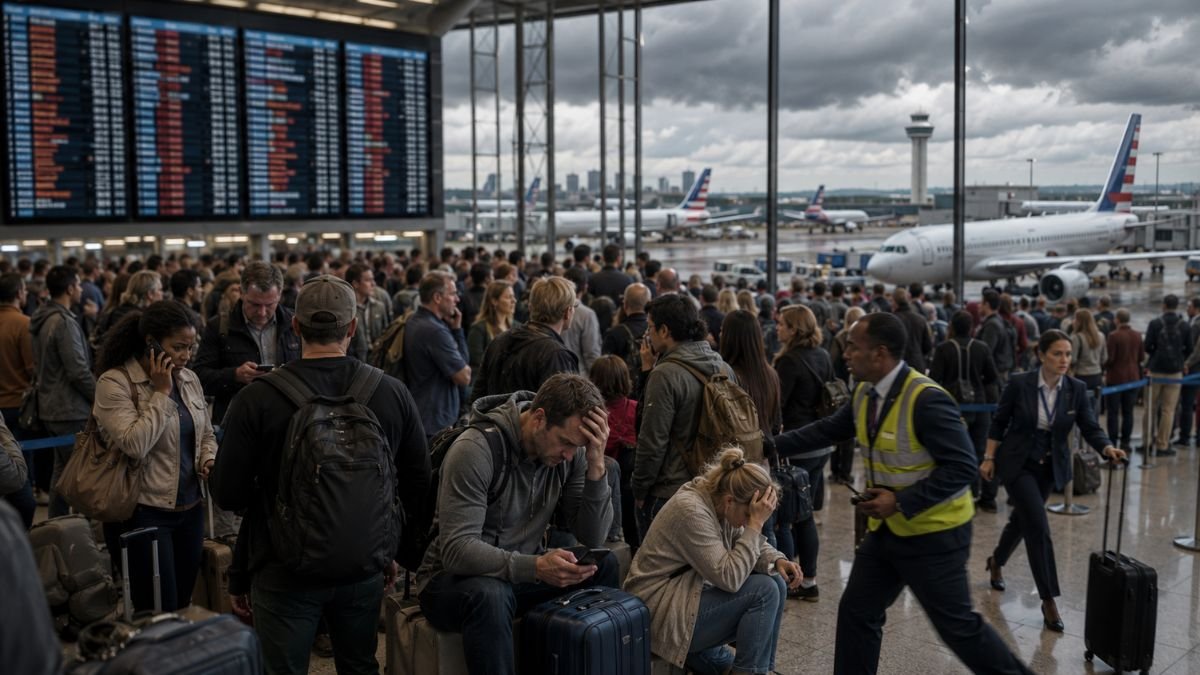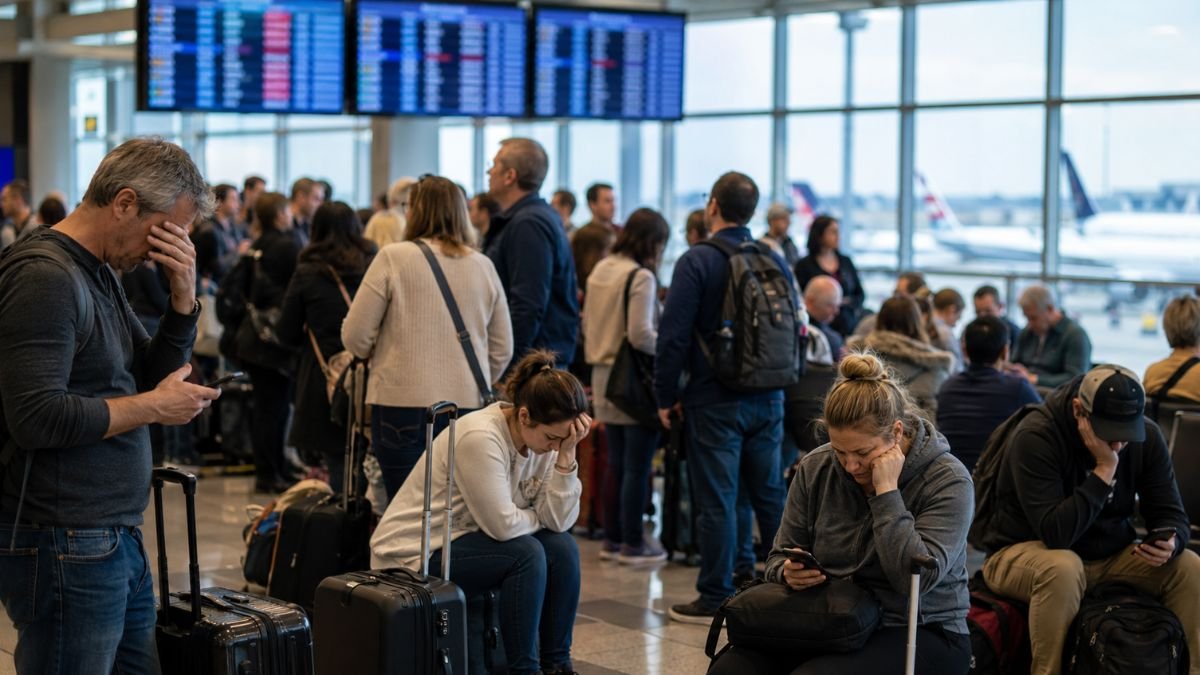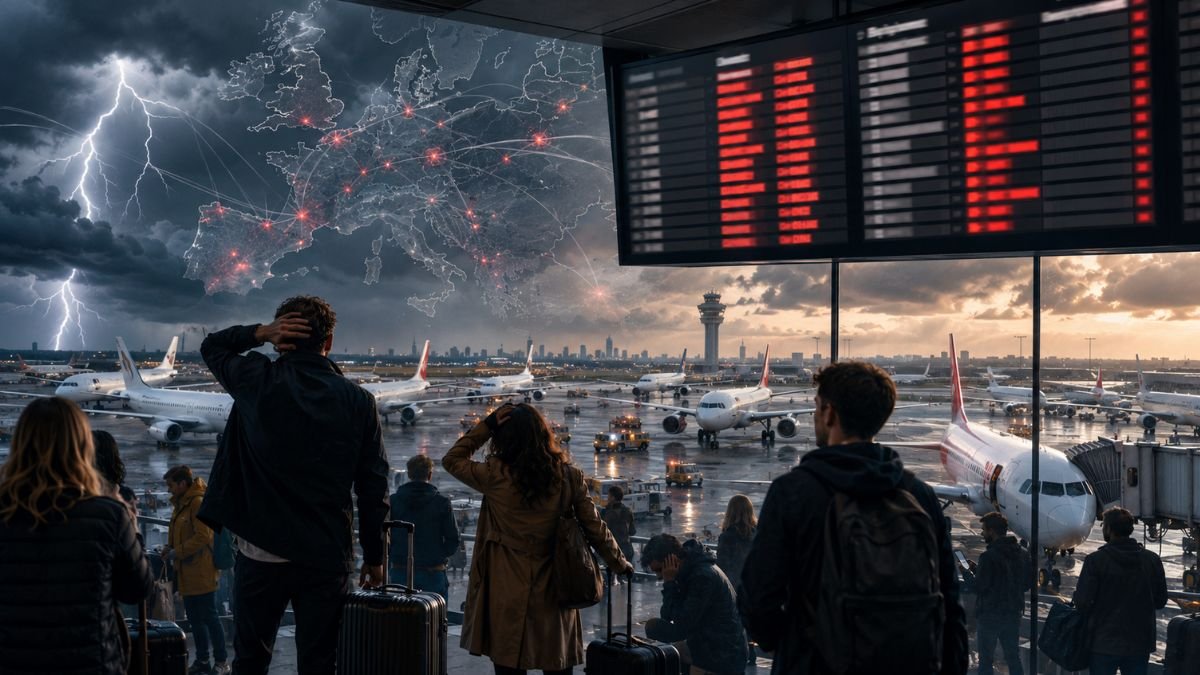
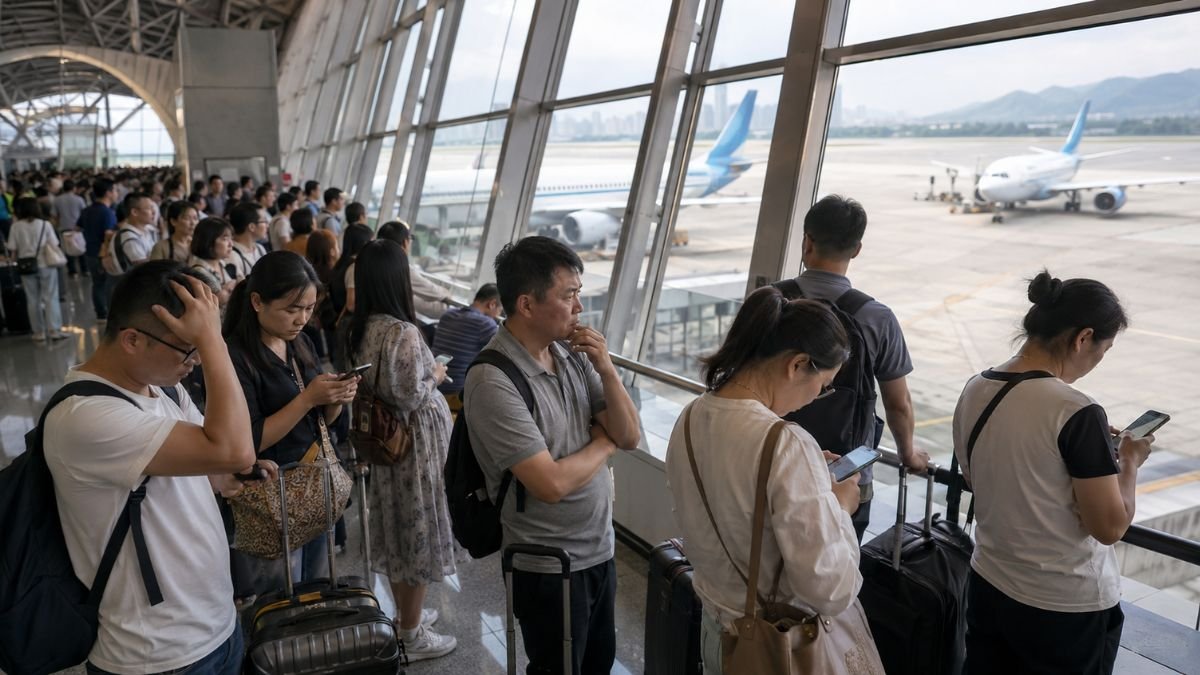
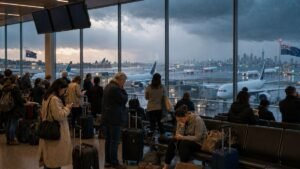
China’s domestic travel network faced fresh pressure this week after several flights linked to Ningbo Lishe International Airport and other major Chinese cities were cancelled, creating uncertainty for tourists, business travelers, and families on the move.
Routes connected with Beijing, Guangzhou, Dalian, Shenzhen, Zhengzhou, Guiyang, Tianjin, and other busy destinations saw sudden schedule changes, forcing many passengers to adjust their travel plans at short notice.

The disruption came during a period of steady tourism demand across China, where airports continue to handle large passenger volumes.
While the cancellations created stress for travelers, airports, hotels, transport providers, and tourism operators worked quickly to reduce the impact and keep visitors moving.
Flight Cancellations Hit Key Chinese Travel Routes
Several domestic flights were affected, including services connected to major airports such as Beijing Capital International Airport, Beijing Daxing International Airport, Guangzhou Baiyun International Airport, Shenzhen Bao’an International Airport, Dalian Zhoushuizi International Airport, and Zhengzhou Xinzheng International Airport.

The affected routes involved aircraft types including Boeing 737, Airbus A320, Airbus A321neo, and CRJ9 aircraft. Some flight numbers appeared more than once across different days, showing repeated operational disruption on selected domestic routes.
For passengers, the biggest challenge was not only the cancellation itself but the sudden need to find alternate travel options. Many travelers were heading for holidays, family visits, business meetings, tourism events, and connecting journeys across China.
Tourism Cities Face Temporary Travel Pressure
The flight disruptions affected cities that play an important role in China’s tourism and business travel economy. Beijing remains one of the country’s strongest visitor destinations, attracting tourists to the Forbidden City, the Great Wall, historic neighborhoods, museums, and cultural landmarks.
Guangzhou, meanwhile, is a major southern gateway known for food tourism, shopping, international trade events, and business travel.
Shenzhen continues to grow as a technology, entertainment, and urban tourism hub, drawing visitors to exhibitions, shopping districts, and modern attractions.
Dalian also saw multiple affected flights. The coastal city remains popular for seaside holidays, seafood experiences, and summer travel.
Although cancellations disrupted some schedules, many visitors continued their journeys through alternative routes and adjusted itineraries.
High-Speed Rail Offers Backup for Travelers
One reason the wider travel impact remained manageable was China’s strong transport network. High-speed rail services helped many passengers find alternative ways to reach nearby or regional destinations.
For shorter domestic routes, some travelers shifted from flights to trains. This flexibility helped reduce pressure on airports and allowed tourism activity to continue even when flight schedules changed.
China’s high-speed rail system has become an important safety net for travelers during aviation disruptions. It gives passengers more choices and helps tourism businesses maintain visitor flow during busy periods.
Hotels and Tourism Operators Respond Quickly
Hotels near airports and major city centers adjusted reservations for delayed passengers. Some travelers extended overnight stays after missing flights or connections. Airport transfer companies, restaurants, tour operators, and local guides also reorganized schedules to support affected visitors.
This quick response showed the importance of coordination across the tourism industry. Flight cancellations can affect more than airport terminals. They can impact hotel bookings, guided tours, event attendance, restaurant reservations, and local business activity.
By responding quickly, tourism workers helped reduce frustration and allowed many travelers to continue their trips with fewer complications.
Why the Disruption Matters for China Travel
China’s vast geography makes domestic aviation essential. Flights connect cultural cities, coastal resorts, mountain destinations, business centers, and regional tourism hubs within hours. When cancellations affect busy routes, the impact can spread across multiple sectors.
For tourists, reliable flight operations are a key part of travel confidence. A sudden cancellation can cause missed hotel check-ins, delayed family visits, changed sightseeing plans, and extra travel costs.
For businesses, disruption can affect meetings, conferences, trade events, and logistics. This is why strong passenger communication and flexible booking support are especially important during irregular travel periods.
Authorities Focus on Better Passenger Communication
China’s aviation authorities have continued encouraging airlines and airports to improve communication with passengers during disruptions.
Digital travel updates, mobile app alerts, smarter airport systems, and better transport coordination are becoming increasingly important.
Travelers now rely heavily on real-time information to manage changing schedules. Clear updates can reduce confusion and help passengers decide whether to rebook flights, switch to rail, or adjust hotel plans.
Conclusion
The recent cancellations linked to Ningbo Lishe Airport and other major Chinese routes created stressful moments for many travelers, but they also highlighted the strength and flexibility of China’s tourism network.
Airports, hotels, transport providers, and tourism workers responded quickly to help passengers continue their journeys. While flight disruptions caused delays and uncertainty, China’s strong rail connections and active tourism infrastructure helped reduce the wider impact.
For travelers, the situation is a reminder to check flight status regularly, keep backup options ready, and stay updated through official airline and airport channels.