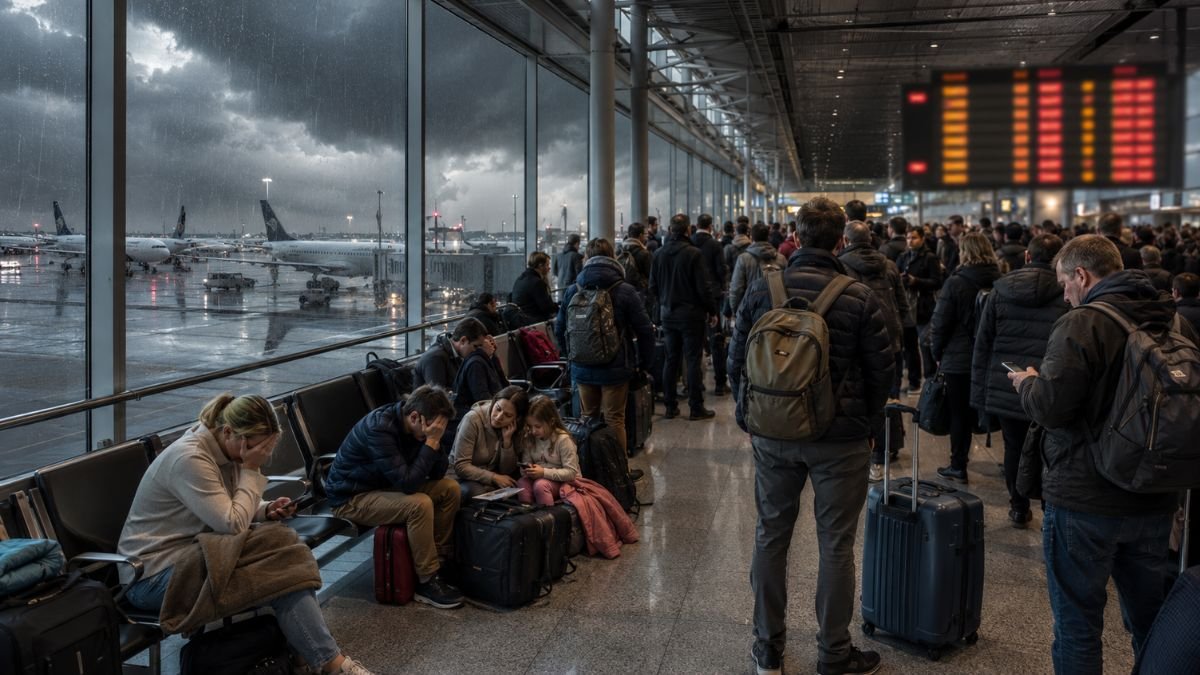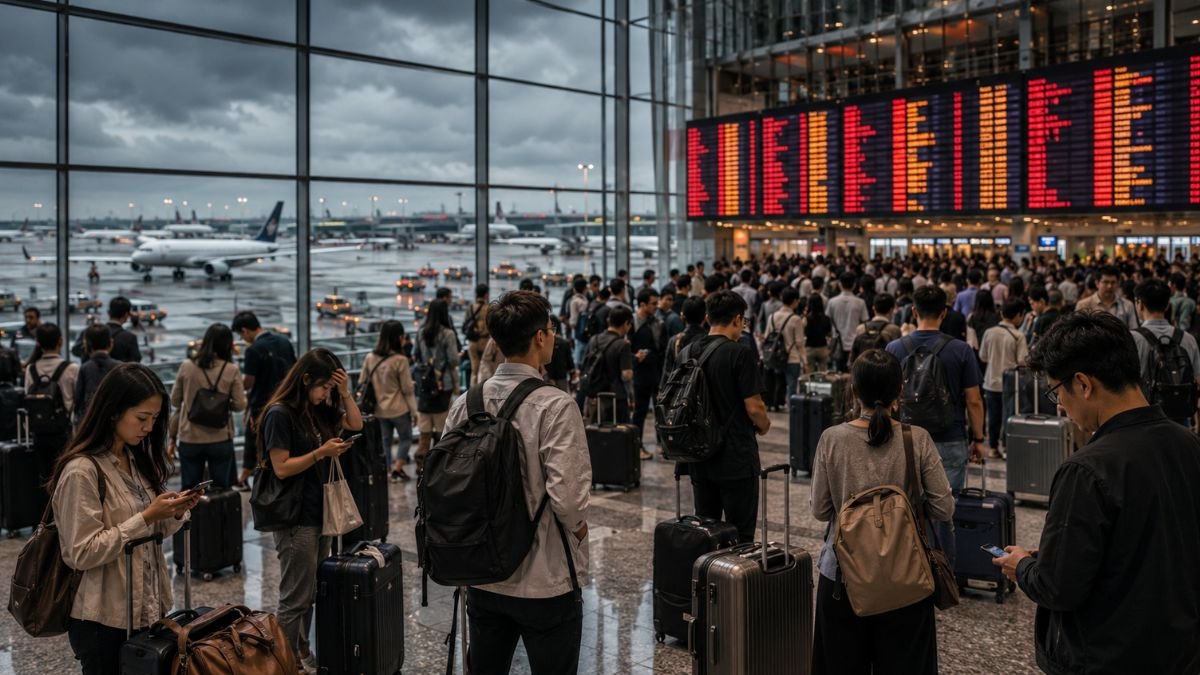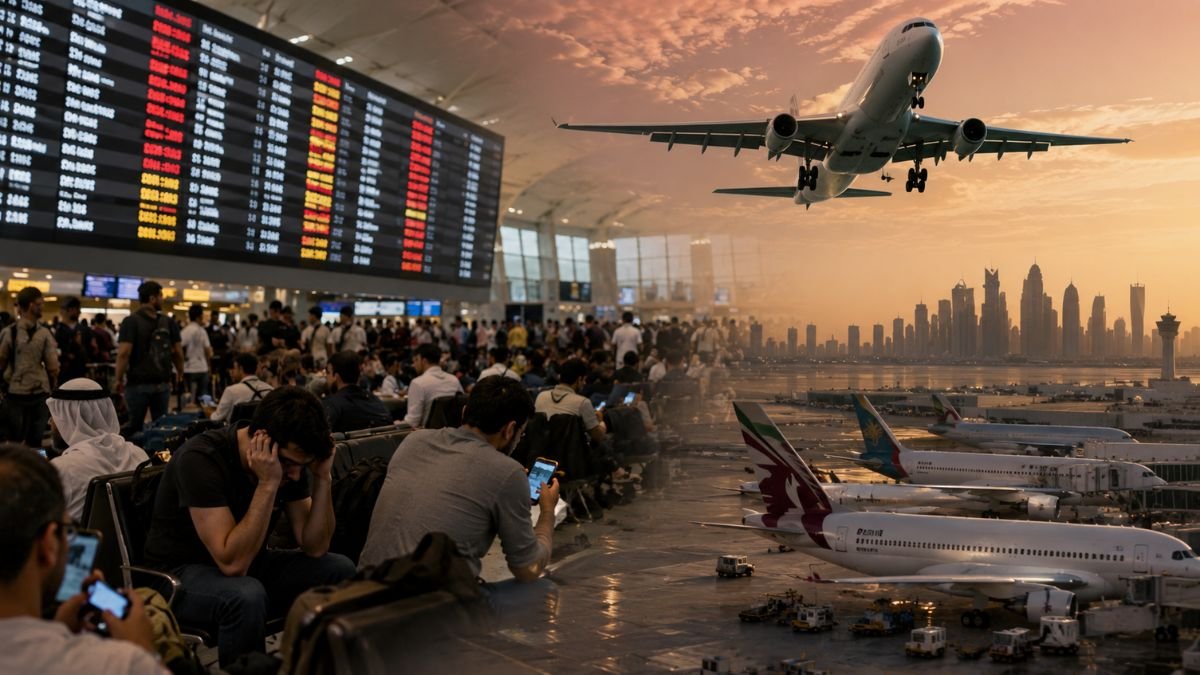
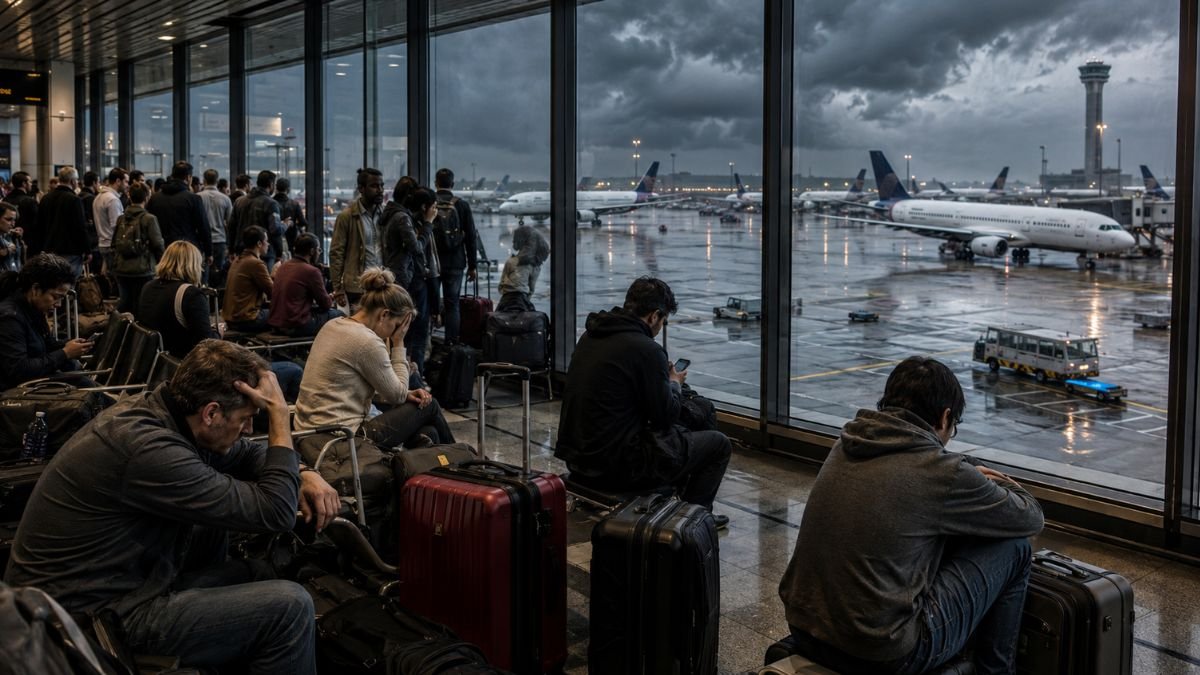
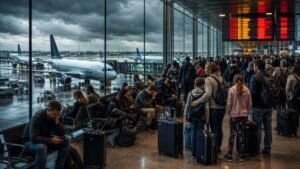
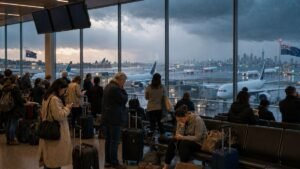
Air passengers faced widespread disruption as 83 flights were cancelled and another 1,379 delayed across Europe, affecting major airlines and some of the continent’s busiest international airports.
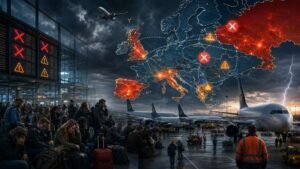
Operational pressure was reported across Spain, Italy, France, Türkiye, Switzerland, Germany, the Netherlands, England, Denmark and Russia. Travellers experienced longer waiting times, disrupted connections and uncertainty as airlines adjusted schedules throughout the day.
Lufthansa, Air France, Turkish Airlines, KLM, ITA Airways, Ryanair, easyJet, British Airways and Iberia were among the carriers affected.
Major Airports Report Extensive Disruption
Frankfurt Airport recorded one of the highest disruption totals, with 172 delayed flights and 20 cancellations. The figures made it the most heavily affected airport in Germany during the reported period.
Paris Charles de Gaulle Airport experienced 165 delays and four cancellations, while Amsterdam Schiphol Airport registered 137 delays and 14 cancelled services.
Rome Fiumicino Airport also recorded 137 delays, alongside two cancellations. Madrid-Barajas Airport reported 131 delays and seven cancellations as schedule pressure affected Spain’s busiest aviation gateway.
London Heathrow Airport experienced 101 delays and 10 cancellations, while Munich Airport registered 92 delays and six cancelled flights.
Disruption Spreads Across European Network
The problems were not limited to western Europe.
Istanbul Airport recorded 110 delays, although no cancellations were reported. Milan Malpensa Airport also experienced 110 delays and four cancellations.
Copenhagen Airport registered 57 delayed flights and four cancellations, while Zurich Airport reported 55 delays and three cancelled services.
Russian airports were also affected. Vnukovo Airport recorded 68 delays and three cancellations, while Sochi Airport experienced 39 delays and three cancelled flights.
Because European aviation networks are closely connected, delays at major hubs can quickly affect aircraft rotations and connecting services elsewhere.
Lufthansa and KLM Record Heavy Impact
Lufthansa experienced the greatest disruption among the listed airlines, recording 110 delays and 28 cancellations across multiple airports.
Air France reported 80 delayed flights, with many connected to operations at its primary hub. Turkish Airlines recorded 70 delays, mainly involving services through Istanbul.
ITA Airways experienced 60 delays, while KLM reported 59 delays and 18 cancellations across several European routes.
Ryanair accumulated 53 delayed flights, easyJet recorded 48, and British Airways experienced 46 delays and two cancellations. Iberia reported 36 delays and four cancelled services.
International airlines, including Delta Air Lines, Virgin Atlantic, Qatar Airways, American Airlines, SAS and Condor, also experienced schedule disruption.
What Affected Travellers Should Do
Passengers should check their flight status through official airline websites, mobile applications and airport departure boards before travelling.
Those affected by cancellations should contact their airline regarding rebooking, refunds or alternative travel options. Travellers should retain boarding passes, booking documents and receipts for meals, accommodation or transport expenses that may qualify for reimbursement.
Passengers should also review the rights applicable to their journey, particularly when travelling on routes covered by European passenger-protection regulations.
What Is Causing the Disruption?
The disruption may involve several factors, including air traffic congestion, aircraft rotation problems, crew availability, weather concerns and broader operational pressure.
When flights are delayed at major hubs, aircraft and crews may arrive late for later services, creating a chain of disruption across several countries.
Conclusion
The 83 cancellations and 1,379 delays highlight the vulnerability of Europe’s busy aviation system to operational strain.
With schedules subject to further changes, passengers should continue monitoring real-time updates, allow additional travel time and contact airlines directly before heading to the airport.