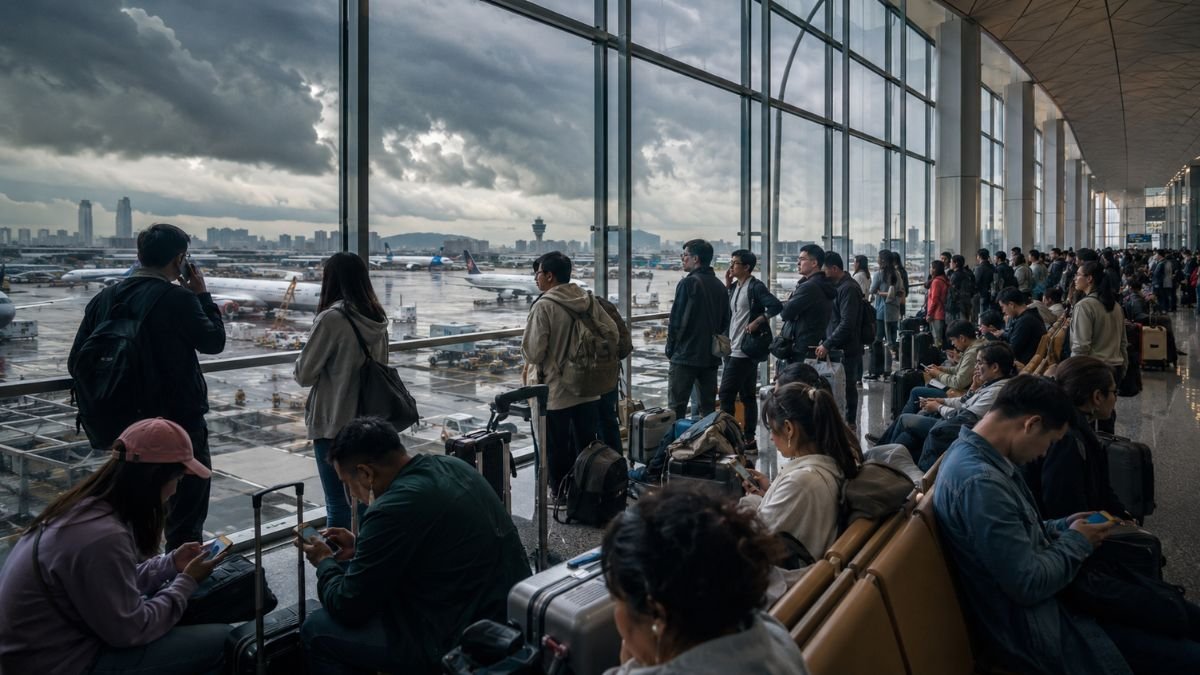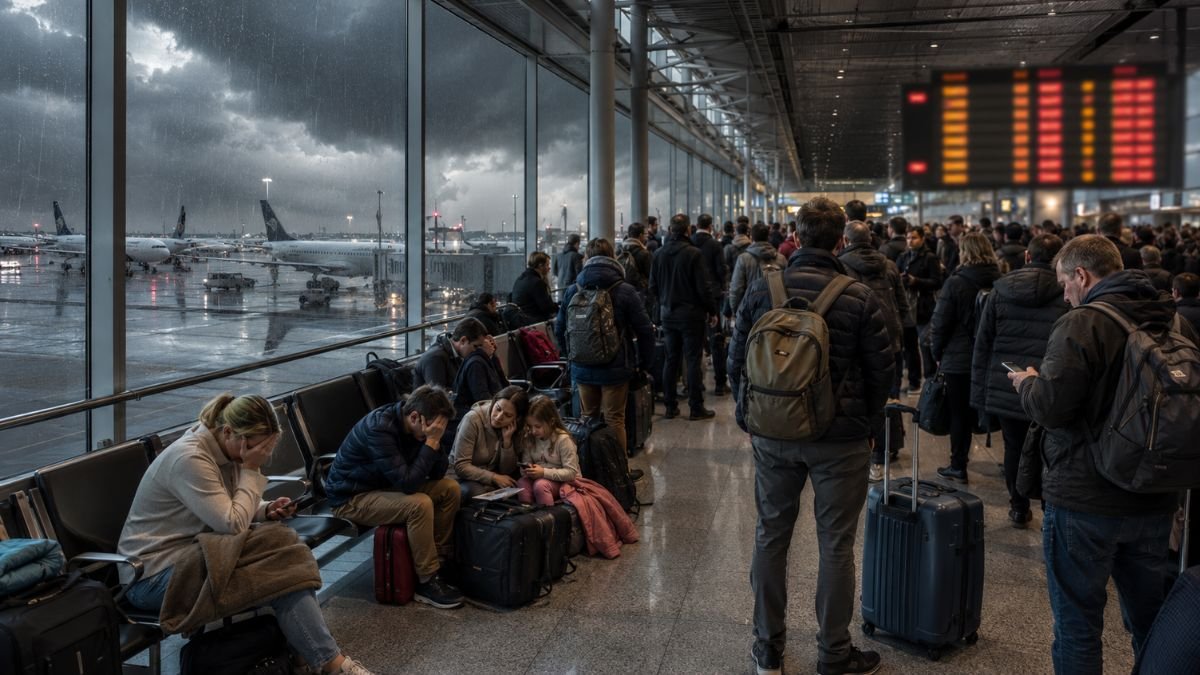
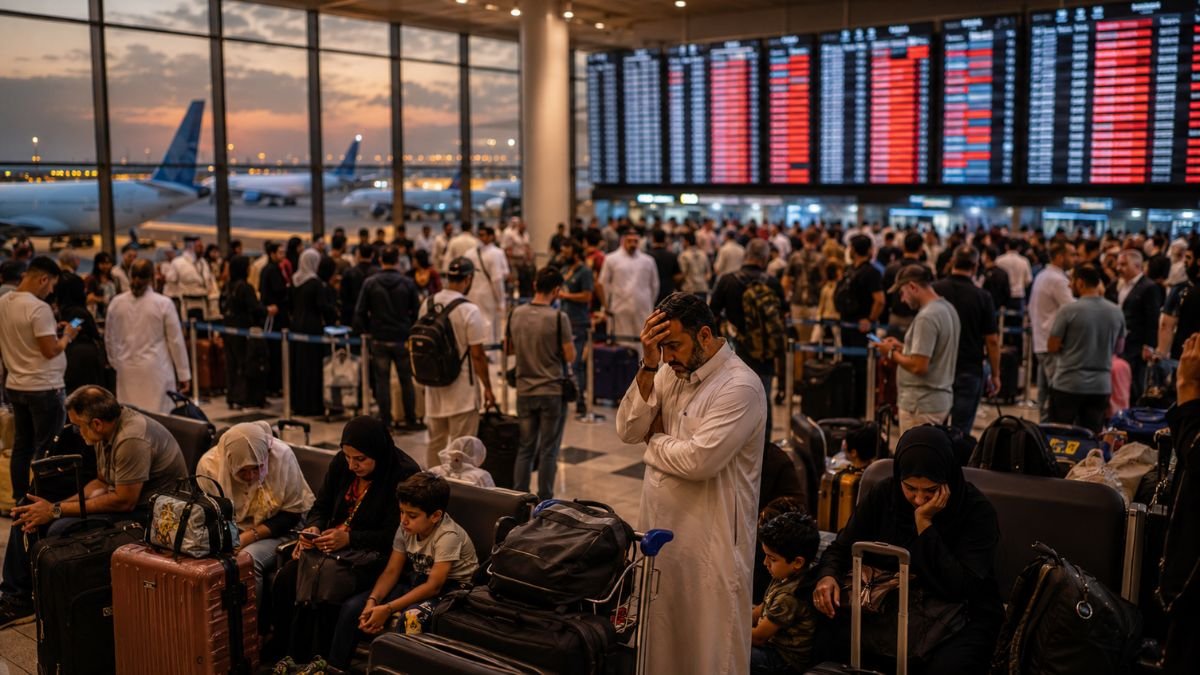
Hundreds of passengers faced serious travel disruption at Jeddah King Abdulaziz International Airport in Saudi Arabia after 118 flights were delayed and 3 flights were canceled, affecting domestic and international routes operated by Saudia, Flyadeal, and several international carriers.
The disruption created long queues, crowded waiting areas, rebooking pressure, and uncertainty for travelers heading to major destinations such as Riyadh, Dubai, Cairo, Istanbul, and London.
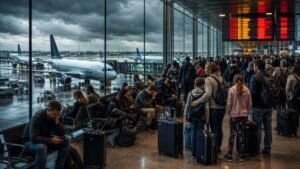
The airport, one of Saudi Arabia’s busiest and most important aviation gateways, plays a key role in handling pilgrims, tourists, workers, business travelers, and transit passengers. The latest disruption came at a sensitive time, with Hajj preparations already increasing pressure on airport operations.
Jeddah Airport Faces Heavy Flight Disruption
King Abdulaziz International Airport, also known as JED, became a major stress point for travelers as delayed departures and canceled services affected travel plans throughout the day. Many passengers experienced extended waiting times as flight schedules shifted beyond normal operating windows.
Families traveling for Umrah, workers returning from leave, and passengers with connecting flights were among those impacted.

For many travelers, the disruption meant missed connections, changed boarding times, and long waits at airline service counters.
Flight delays at a major hub like Jeddah can quickly create wider operational challenges. When one aircraft is delayed, it may affect later departures, crew schedules, gate availability, and connecting passenger movements.
Why the Timing Matters Before Hajj
The disruption comes just weeks before the peak Hajj travel period, making the situation especially important for Saudi aviation authorities.
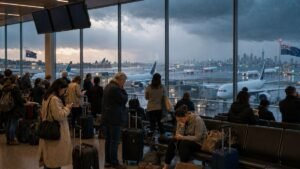
King Abdulaziz International Airport is one of the main airports used for Hajj and Umrah travel because of its proximity to Makkah and Madinah.
Saudi aviation authorities have already been preparing for a major increase in passenger traffic during the Hajj season. The airport is expected to handle large numbers of pilgrims arriving from different parts of the world.
Because of this, even a single day of heavy delays can raise concerns about passenger flow, airline coordination, baggage handling, and terminal crowd management.
Domestic and International Routes Affected
The flight disruption affected several domestic and international routes. Passengers traveling to and from Riyadh, Dubai, Cairo, Istanbul, and London faced schedule changes, delays, and possible missed connections.
Domestic Saudi routes were also affected, adding pressure to passengers moving between major cities inside the Kingdom. International routes faced additional challenges because travelers often depend on tight connection windows and fixed onward travel plans.
For transit passengers, a delay at Jeddah can affect multiple parts of a journey, especially when connecting to long-haul or regional flights.
Airlines Continue Adjusting Operations
Airlines including Saudia, Flyadeal, and other international carriers continued adjusting schedules during the disruption. Passengers were advised to check flight information directly through official airline apps, airport websites, and real-time tracking platforms.
In many cases, delayed passengers are expected to travel on the same flight once operations resume. However, travelers affected by cancellations may need to be rebooked on alternative services, depending on airline policy and seat availability.
Passengers were also encouraged to arrive early, monitor gate changes, and keep travel documents ready to reduce further delays during check-in and boarding.
Regional Aviation Pressure Adds More Challenges
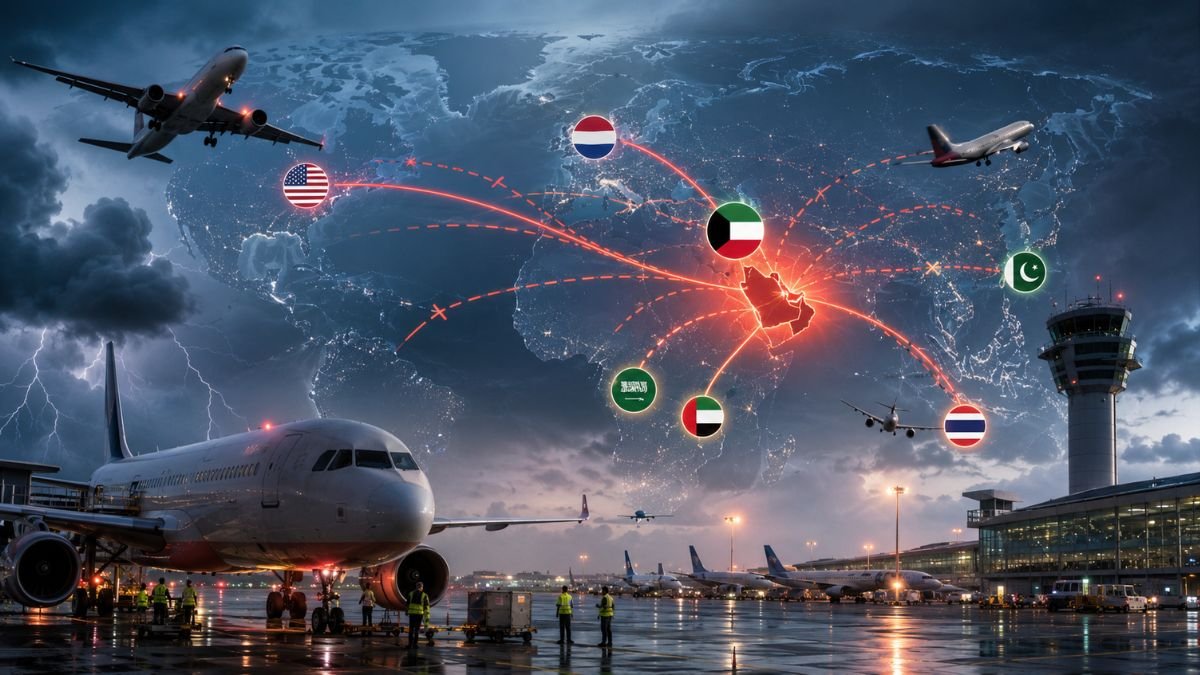
The disruption at Jeddah airport comes during a period when several airlines in the Middle East have faced route changes, schedule adjustments, and operational pressure. Regional airspace restrictions, aircraft rotations, and airline capacity planning can all affect flight punctuality.
When major airports experience congestion, the impact can spread across several destinations. This is why delays at Jeddah may affect not only Saudi routes but also wider travel networks across Asia, Europe, Africa, and the Gulf region.
Conclusion
The disruption at Jeddah King Abdulaziz International Airport caused major inconvenience for hundreds of travelers, with 118 flights delayed and 3 canceled across key domestic and international routes.
Passengers flying with Saudia, Flyadeal, and other carriers faced long waits, schedule uncertainty, and rebooking challenges. As Saudi Arabia prepares for the peak Hajj travel season, the incident highlights the importance of strong airport coordination, real-time updates, and passenger preparedness.
Travelers using Jeddah airport in the coming days should continue checking official flight updates and remain flexible with travel plans.