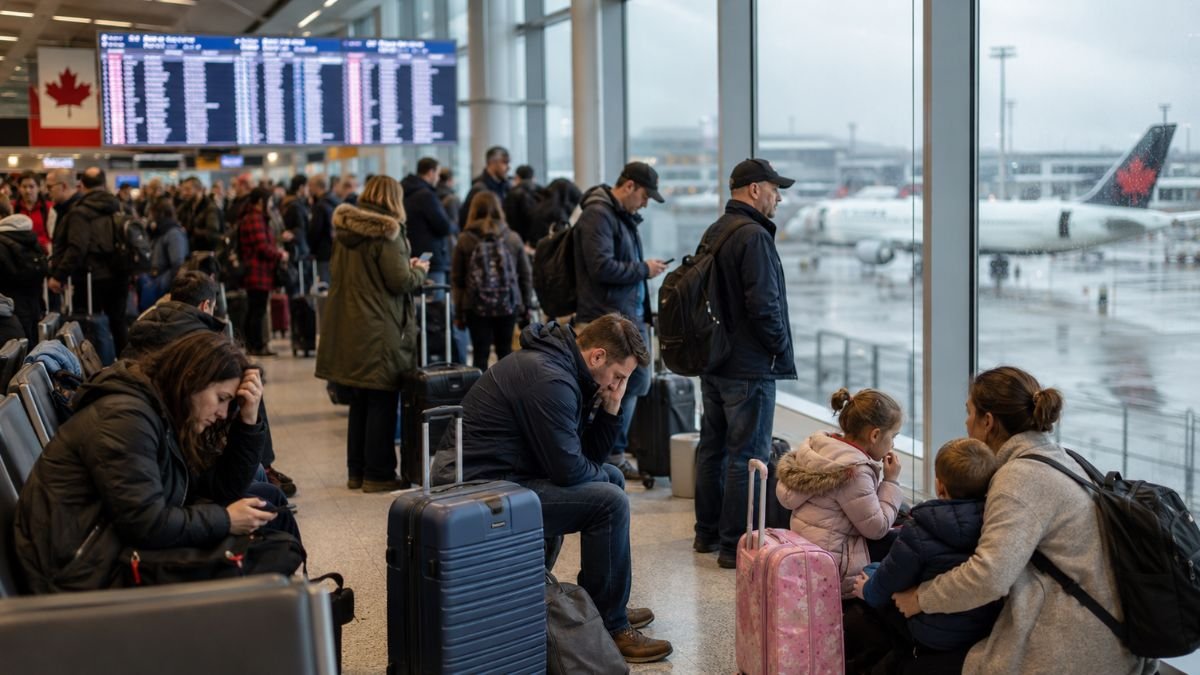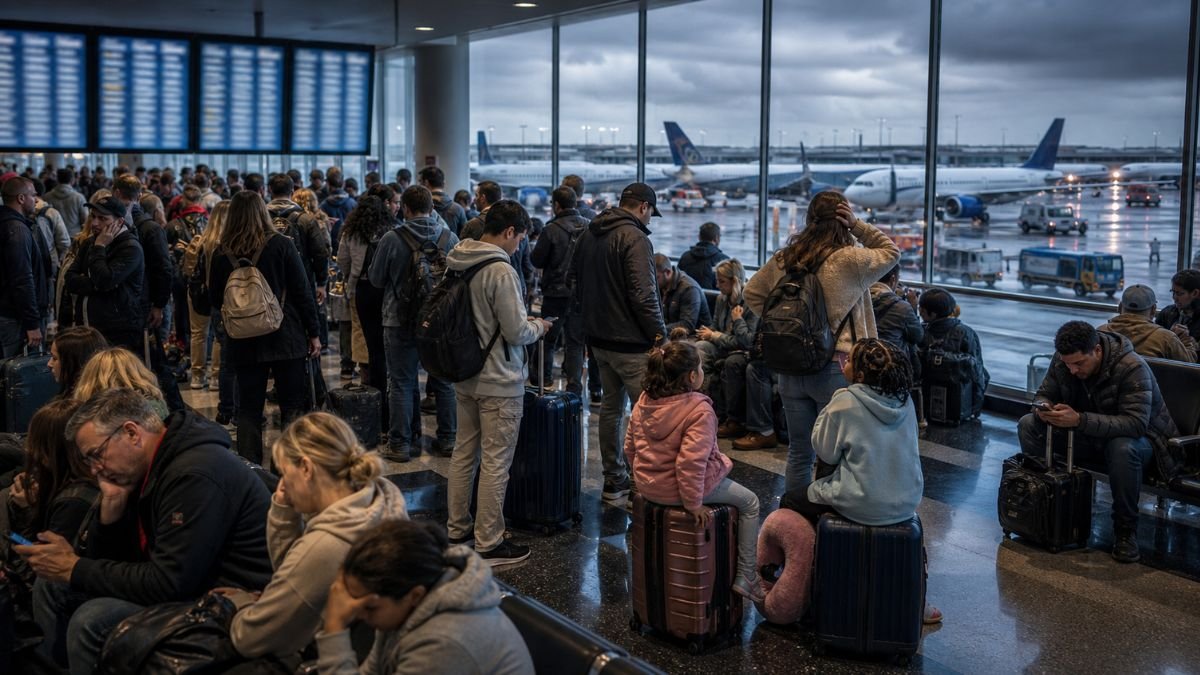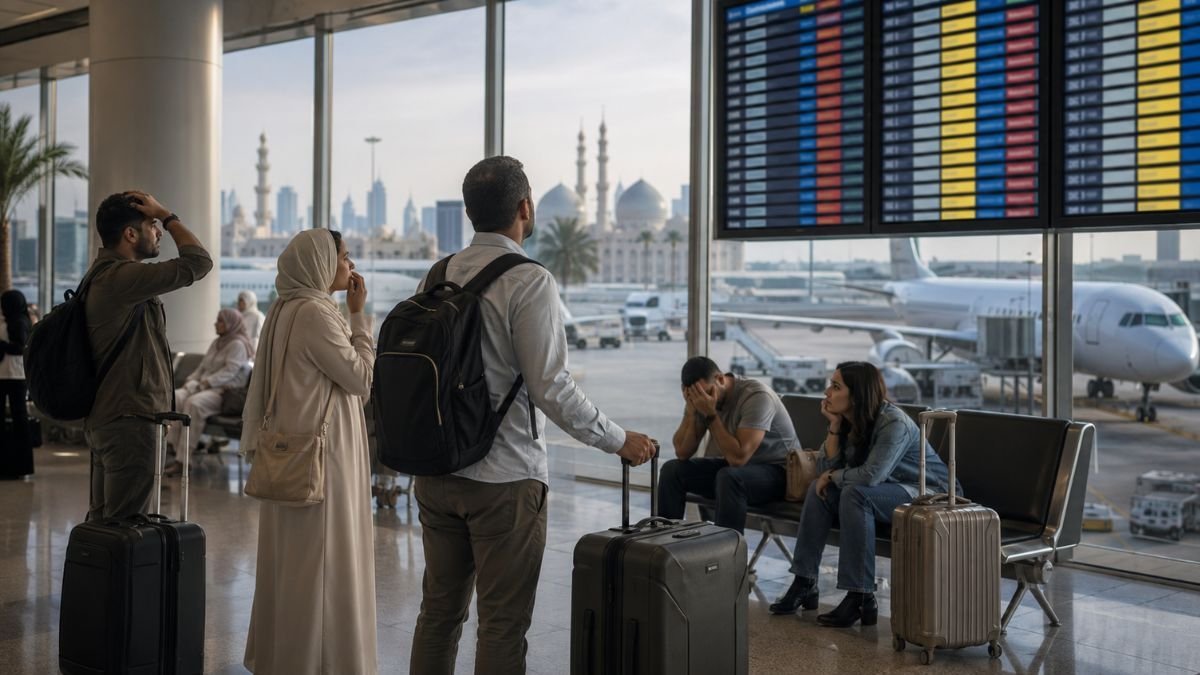

Global tourism is showing strong resilience in 2026, even as the escalating Middle East crisis continues to affect international travel.
Airspace closures, higher airfares, longer flight routes, and weaker traveler confidence have created new challenges for the aviation and tourism industries.

Despite these pressures, countries such as Spain, France, the United States, Italy, Turkey, Mexico, the United Kingdom, Germany, and others are continuing to attract millions of international visitors.
Their success shows how strong tourism planning, government support, better infrastructure, and smart marketing can help destinations remain competitive during uncertain times.
Spain Leads With Strong Tourism Growth
Spain remains one of the strongest performers in global tourism. After welcoming 96.8 million international visitors in 2025, the country is expected to continue growing in 2026.

Spain’s success is linked to its focus on sustainable tourism, regional travel development, and year-round cultural experiences.
Instead of relying only on traditional hotspots, Spain is promoting lesser-known destinations to spread tourism benefits across more regions.
The country is also targeting visitors from North America, Asia, and Europe through digital campaigns and improved travel services. This strategy has helped Spain remain attractive despite rising travel costs and global uncertainty.
France Remains a Top Global Destination

France continues to hold its position as one of the world’s most visited countries. With more than 102 million international arrivals in 2025, France remains a major tourism powerhouse.
Its appeal comes from a strong mix of cultural landmarks, luxury travel, cuisine, fashion, museums, and regional destinations. Investments in high-speed rail, airports, and digital tourism tools have also helped improve the visitor experience.
Even during travel disruption, France continues to attract travelers from Europe, Asia, and North America.
United States Shows Tourism Resilience
The United States also remains a major global travel destination, with around 72 to 73 million visitors in 2025. Despite higher airfares and flight disruptions, the US continues to benefit from its diverse tourism market.
Business travel, national parks, theme parks, cultural cities, shopping, sports, and entertainment all support international demand. Visa facilitation, digital travel systems, and targeted tourism campaigns are also helping the country maintain steady growth.
Italy and Turkey Continue to Attract Visitors
Italy’s timeless appeal remains strong. With its historic cities, art, food, fashion, coastlines, and luxury tourism, Italy continues to draw millions of travelers. Rome, Venice, Florence, Milan, and Naples remain key destinations, while sustainability and eco-tourism are becoming more important parts of Italy’s strategy.
Turkey is also performing well, supported by its unique position between Europe and Asia. Istanbul, Cappadocia, coastal resorts, cultural sites, and affordable luxury travel continue to attract visitors.
Turkey’s focus on cultural tourism, adventure travel, and eco-tourism has helped strengthen its tourism profile in 2026.
Mexico, UK and Germany Strengthen Global Tourism
Mexico continues to grow as a major tourism destination, especially for travelers from the United States and Canada. Its beaches, cultural cities, food, festivals, and affordable luxury options make it highly attractive.
The United Kingdom remains a steady performer due to heritage tourism, business travel, events, and major cities such as London, Edinburgh, Oxford, Manchester, and Birmingham.
Germany is also expanding through smart tourism, trade fairs, cultural attractions, museums, festivals, and sustainable travel. Its strong infrastructure and digital tourism services help support continued visitor growth.
Conclusion
The global tourism surge in 2026 shows that travel demand remains strong despite major challenges. Spain, France, the United States, Italy, Turkey, Mexico, the United Kingdom, and Germany are proving that strong tourism strategies can overcome pressure from airspace closures, airfare hikes, and shaken traveler confidence.
These countries continue to succeed because they offer diverse experiences, invest in infrastructure, promote sustainable travel, and target global markets effectively.
While geopolitical uncertainty may continue to affect aviation, leading tourism destinations are showing remarkable resilience and long-term strength.